Pulling the bull as breeding wraps up

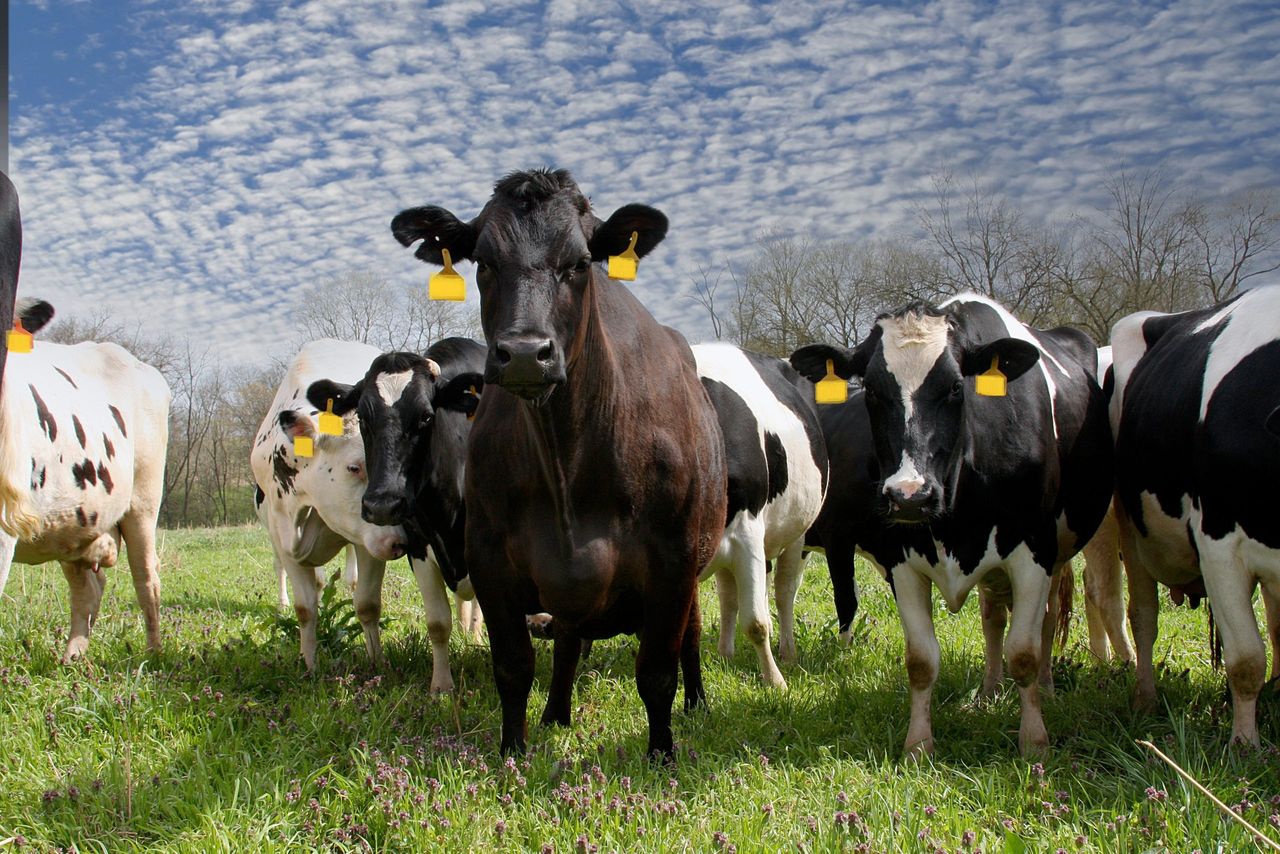
Now it is 10 weeks on from May 1, the majority of farms will have wrapped up breeding or will be finishing during the week, meaning it may be time to 'pull the bull'.
Deciding when to 'pull the bull' requires strategic thinking, as farmers will want to strike a balance between cows in calf and an appropriate calving end date.
If the bull is pulled early, you may miss a number of repeats, which is lost revenue in both dairy-beef calf sales as well as cows in the parlour next year.
On the other hand, if the bull is left with the herd for too long, you may find yourself calving right through May, coinciding with next year's breeding season and creating a labour nightmare.
Traditionally spring calving systems operate a 12-week breeding season, but in the last few years, many farms have narrowed this back to nine and 10 weeks in a bid to achieve a compact calving.
Farms with excellent submission and conception rates can boost profits by achieving a 90% six-week calving interval, as they can get cows out to grass earlier and keep them in milk for longer.
The downside of compact calving seasons is trying to navigate the increased labour for those weeks.
Making the decision on cows not in calf
Extending the breeding season beyond the 12 weeks will increase the number of cows in-calf at the end of breeding, but it will also lengthen the calving season in 2027.
Late calving cows will consequently have shorter lactations if they are dried off before Christmas with the rest of the herd, which will ultimately reduce their profit.
A lot of farms have reported poor submission rates this year. Speculations circled on whether it stemmed from the wet conditions or if bluetongue had silently swept across the country, but either way the breeding season did not go to plan for many.
At this stage, farmers need to be weighing up the pros and cons to see if it worth breeding for the full 12 weeks, as well as investigating any fertility issues within the herd.
If the breeding season does run late, farmers will have to consider milking late calvers further into the winter to ensure they make a return on investment.
For instance, in spring-calving herds, where all cows are dried in December, late-calvers have lower milk production compared with a February-calved cow producing 6,500L:
- A March-calving cow produces 500L less or 8% less;
- An April-calving cow produces 900L less or 14% less;
- A May-calving cow produces 1,200L less or 20% less;
- A June-calving cow produces 1,800L less or 28% less.
To avoid this, there needs to be a serious effort made in the last few weeks of the 12-week breeding window to get any of the cows that are not yet submitted back in calf.
This is not going to happen without a bit of work, as good heat detection is going to be required in order to pick up on any cow in heat.
Pulling the bull this breeding season
Farms with a breeding start date of May 1 should have pulled the bull over the weekend if they are looking for a 10-week breeding season.
Farms looking for a 12-week breeding season should be gearing up to pull the bull on July 24.
The following table which is based on cows with a gestation length of 283 days can be a useful guide of when to pull the bull.
| AI/ bull serve date | Calving date |
|---|---|
| June 1 | March 11 |
| June 15 | March 25 |
| July 1 | April 10 |
| July 15 | April 24 |
| August 1 | May 11 |
Ending the breeding season on or before July 20 will confine your calving season to April 2026.
Continuing to breed cows beyond this means 1,200L less for a May-calving cow and 1,800L less for a June-calving cow.
Additionally, late calving cows will not have a lot of time (approximately four weeks) to recover before breeding next year, which will hinder their chances of going back in-calf.