

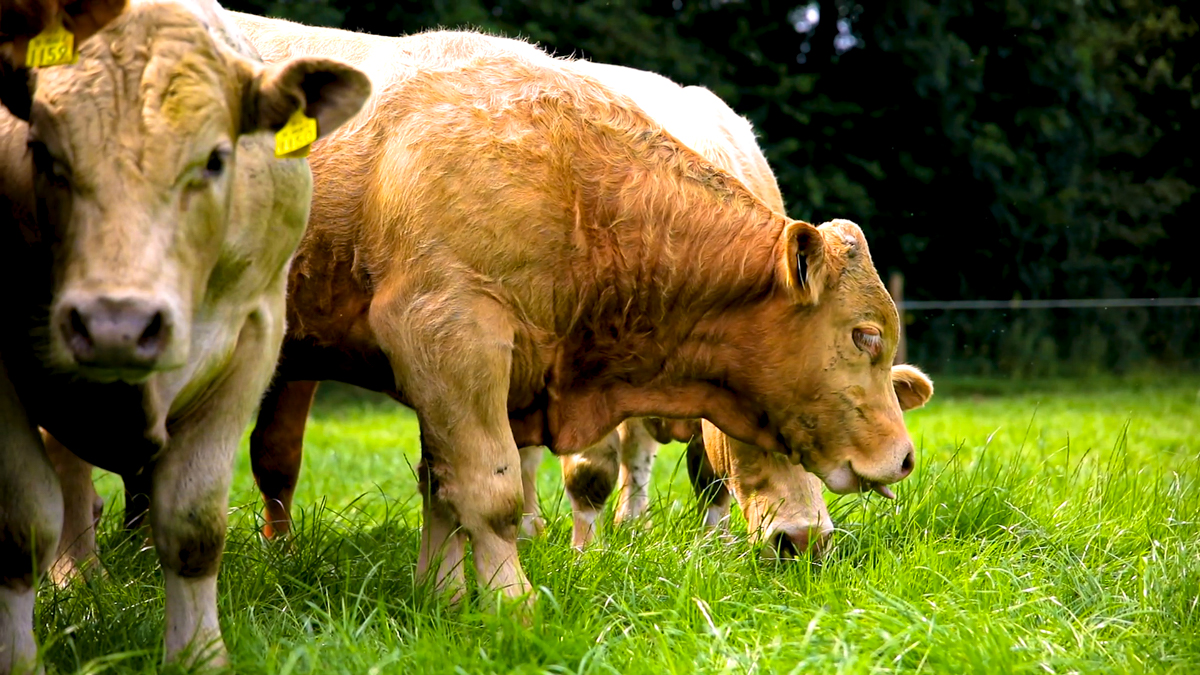
The environmental impact of Northern Ireland’s Beef Carbon Reduction (BCR) scheme up to this point has been questioned by Traditional Unionist Voice (TUV) agricultural spokesperson, councillor Allister Kyle.
He is strongly of the view that the measure is a form of “carbon accounting” that has been endorsed by Minister for Agriculture, Environment and Rural Affairs, Andrew Muir and his department.
Cllr Kyle said: “While BCR is sold as a win for the climate, the reality on the ground tells a very different story.
“On paper, the plan seems simple: slaughter cattle younger to reduce methane. But in the real world, this is forcing a move away from what we do best, growing beef off grass.
“To hit these tighter slaughter ages, farmers are being pushed to use more high-energy, imported feed to get the weight on the animals in time.
“It’s a total contradiction. The department wants to cut emissions, yet the scheme drives a reliance on feed brought in from halfway across the world with its own massive carbon footprint.”
According to the TUV representative, Northern Ireland’s real strength has always been a reliance on grass-based production system.
He explained: “It’s a natural cycle: the grass grows and collects carbon, the cattle eat the grass and fertilise the ground, and the cycle repeats.
“By tightening slaughter limits down toward 27 months and beyond, the minister is penalising the traditional, low-input farmer and rewarding a more intensive, feed-heavy model.”
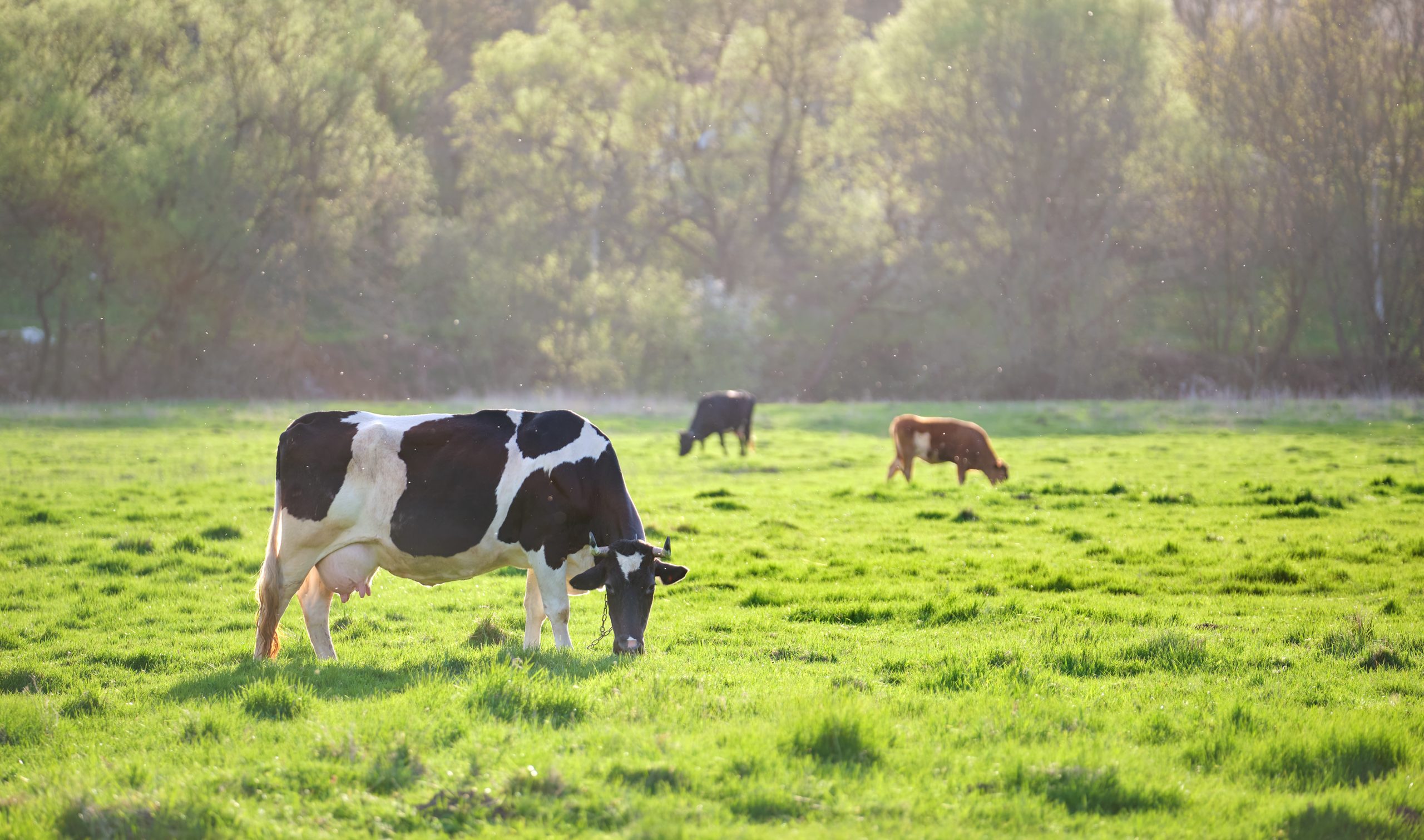
According to the TUV agricultural spokesperson, “wasted potential” is also an issue.
“We keep a cow for a full year to produce one calf; if that calf is slaughtered before it reaches its full growth, we aren’t getting the most food out of that animal for the environmental cost of the mother,” he said.
“With the rising price of feed, made worse by global instability like the tensions involving Iran, many farmers may soon find that the £75 BCR payment isn’t worth the extra expense of forcing cattle to be ready early.”
Carbon footprint
The councillor went on to say that there are “much smarter ways” of cutting the carbon footprint of agriculture.
“Instead of forcing biological limits on livestock, the government should be grant-aiding renewable energy on farms, specifically solar panels on shed roofs,” Cllr Kyle said.
“Solar makes sense for everyone. It cuts our reliance on expensive fossil fuels without messing with how we rear our cattle.
“It uses existing roof space, so no productive land is lost, and it helps lower the input costs that are currently squeezing farm margins to the bone.
“It’s a move that actually supports our traditional grass-based systems rather than undermining them.”
According to the North Antrim-based politician, the BCR scheme “looks more like an exercise in shifting emissions elsewhere than making real progress here”.
“Our farmers don’t need to be pushed harder to meet arbitrary dates; they need to be supported smarter with investments that actually help the bottom line and protect our food security.”