NI dairy farmers recognise breeding ‘is about the future’ – specialist
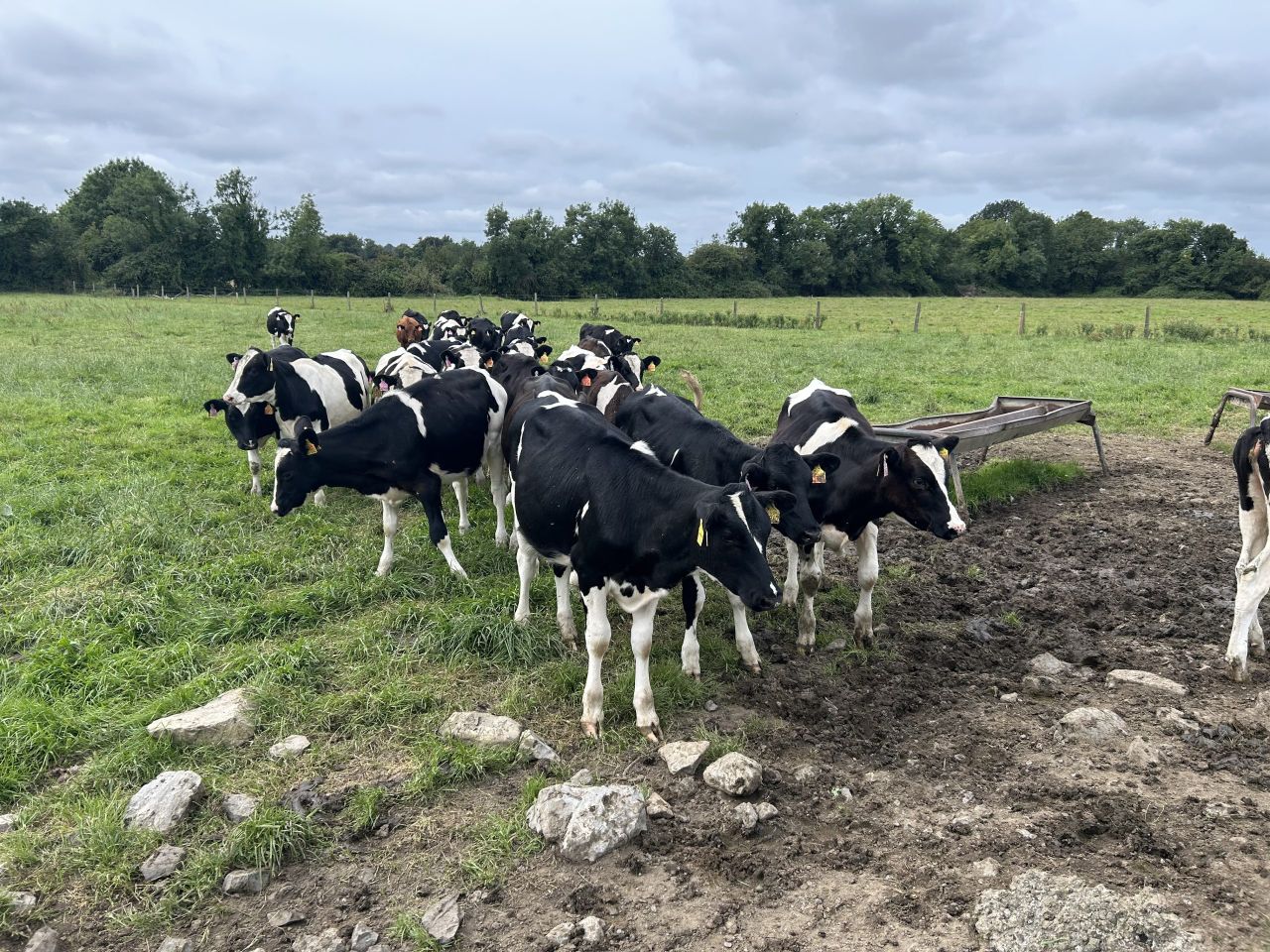
Despite a recent downturn in world milk markets, dairy farmers in Northern Ireland continue to invest in the future of their businesses.
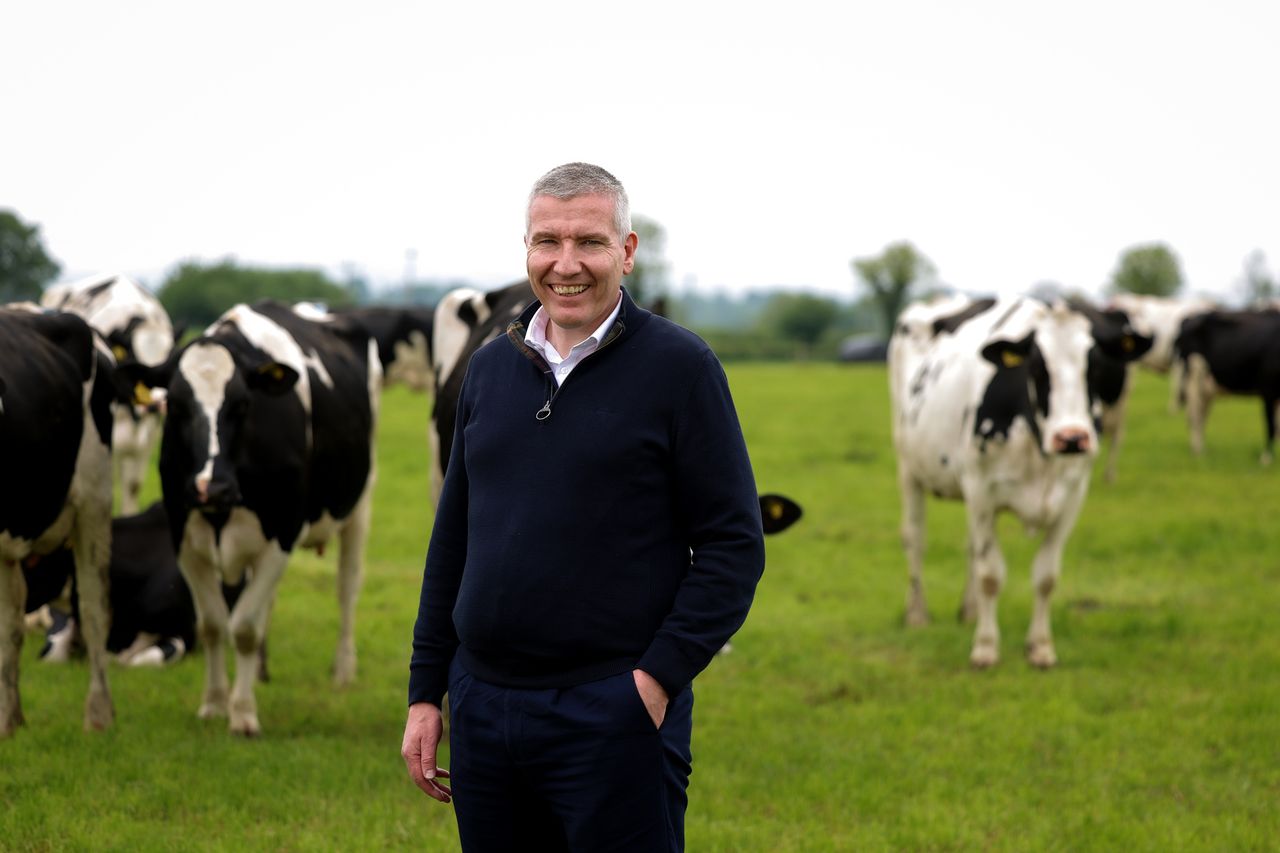
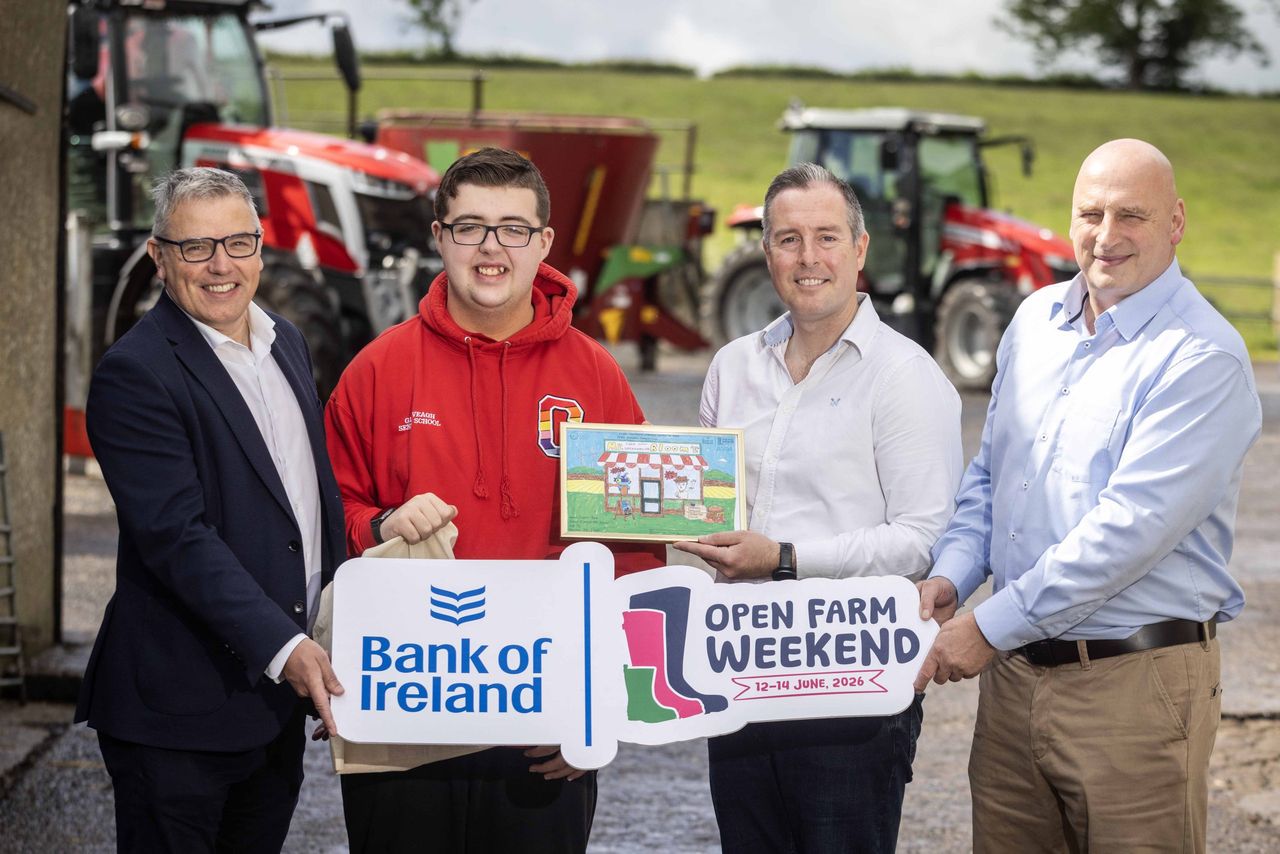
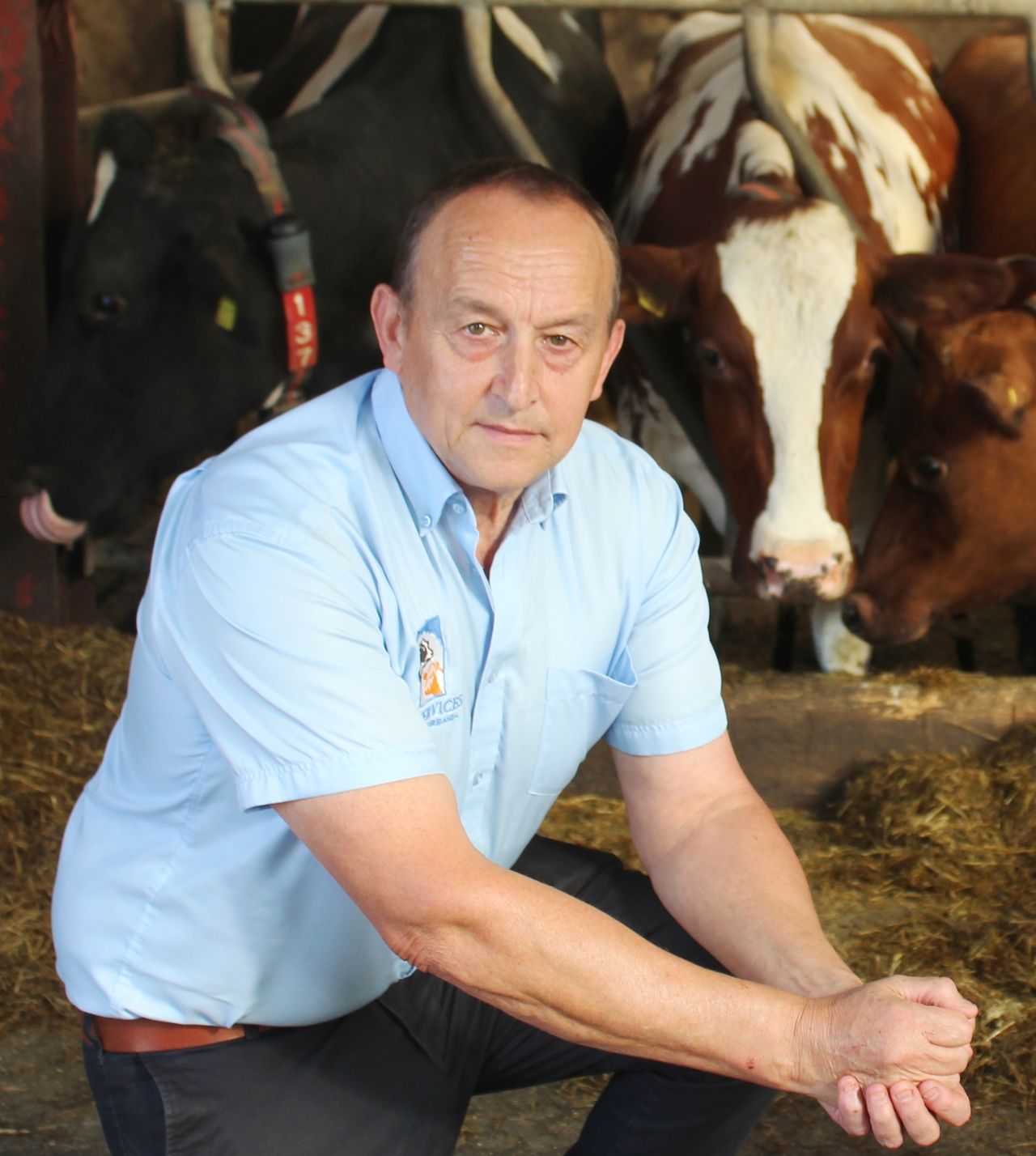
This is according to Ai Services’ product manager, Ivan Minford.
He made the assertion while attending Armagh Show 2026, adding: “Milk producers fully recognise that, by its very nature, dairy farming requires a long-term commitment.
“Milk markets will, no doubt, improve again at some stage in the future. And when this happens farmers must be ready to fully capitalise on these opportunities.”
Minford referenced a commitment to improved infrastructure and breeding as key investments for the future that dairy farmers must continue to make.
Specifically, where future breeding priorities are concerned, he said: “If breeding is about one thing, it is about the future.
“We can look back at past breeding decisions and think 'what if'.
“But, armed with the mass of genetic information available today, we can now determine and select for what will definitely be.”
Genetics
Genetics is and always will be the unwavering driver for profitable dairy farming.
Forty years ago, breeding decisions were based on milk yield.
Most Northern Ireland herds were run on the traditional summer/grazing and winter/silage basis, and annual yields of 5,000-6,000Lwere the norm.
Yields have practically doubled since then and most dairy farmers are now fairly satisfied with the level of production that their system can deliver.
But modern dairy genetic selection is about much more than milk yield.
The past 20 years or so have seen much more focus placed on selecting bulls for butterfat and protein percentage improvement, but the potential for genetic improvement goes far beyond that vital factor, according to Minford.
“Today’s breeding choices are focussed on breeding fertile cows which are durable, low-maintenance, healthy, and efficient converters of feed to milk solids," he said.
“What’s more, genetic selection has an important role to play in enhancing resistance to disease, such as bovine TB, and environmental sustainability"
Minford highlighted that recent research had demonstrated that an animal’s genetic make-up plays a key role in regulating methane output, controlling urinary nitrogen levels and phosphorus excretion rates.
“That all sounds like a big ask, but it is achievable, because that is what genetics and sound breeding choices can deliver.
"Genomics can now enable the identification of all these traits in young bulls from a very early age - the sires are there, and the choice is there," he added.
Ai Services has just launched its ‘Summer 2026’ Dairy Catalogue.
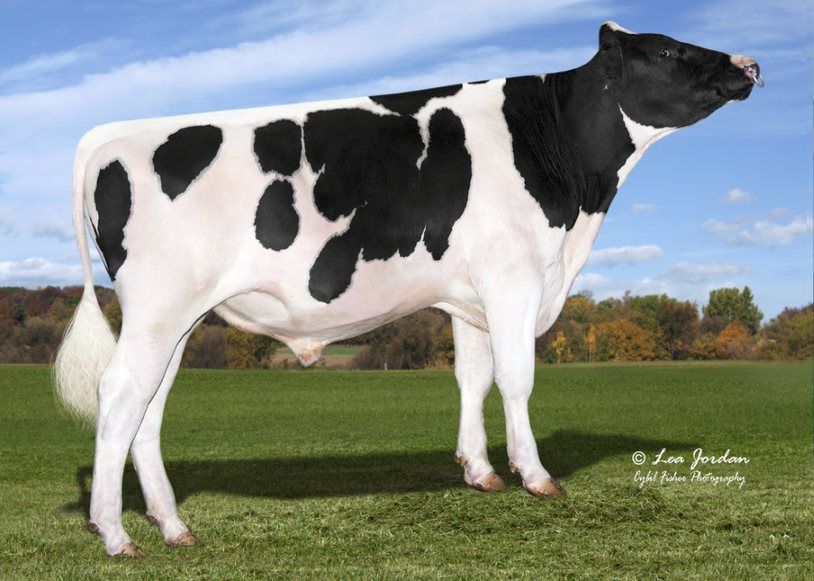
The bull listing contains a number of new Holstein sires, including the high production and components’ bull: Peak Sixty ET.
Also included is POWERBUCK, who is now daughter proven in the UK.
He has also performed well on dairy farms across Northern Ireland.