NSA warns of fire risks from upland sheep removal


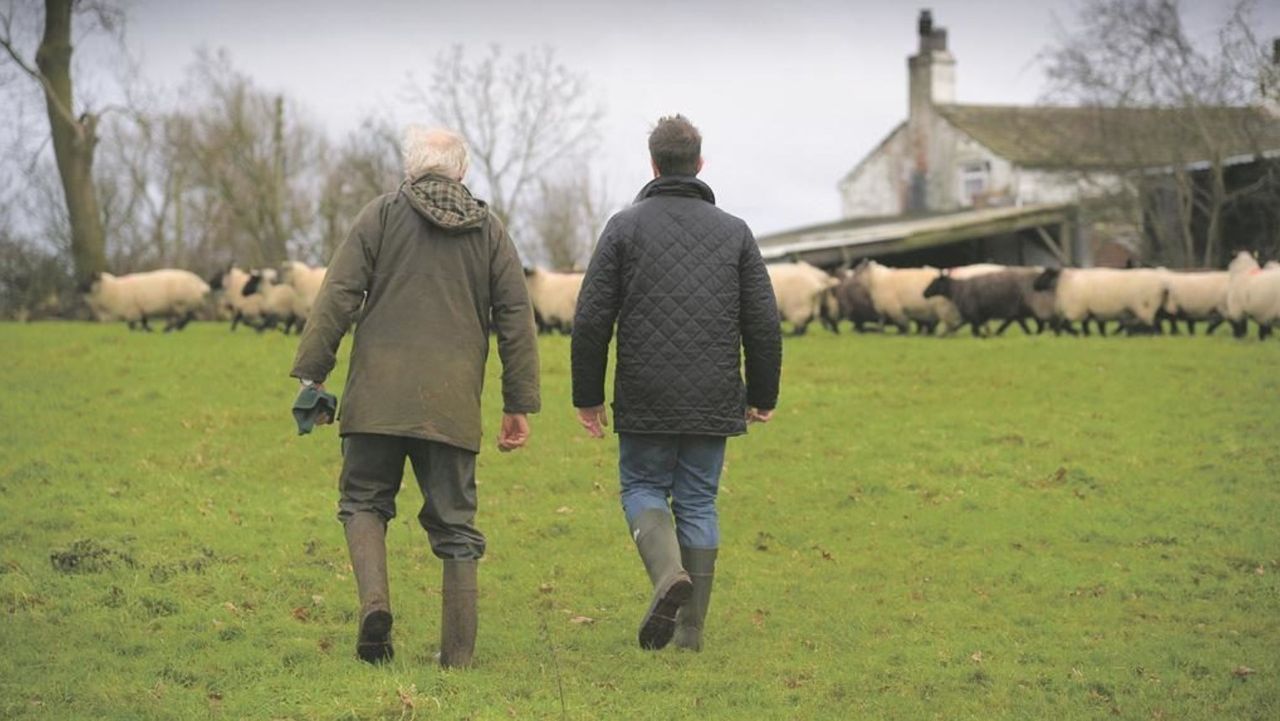
The National Sheep Association (NSA) is hoping to defend the interest of sheep farmers as discussions surrounding the possibility of removing upland sheep continue.
This is in response to agri-environmental schemes where livestock are being removed in upland areas.
These schemes aim to remove sheep in upland areas in an attempt to restore peatlands, plant native woodlands and improve biodiversity.
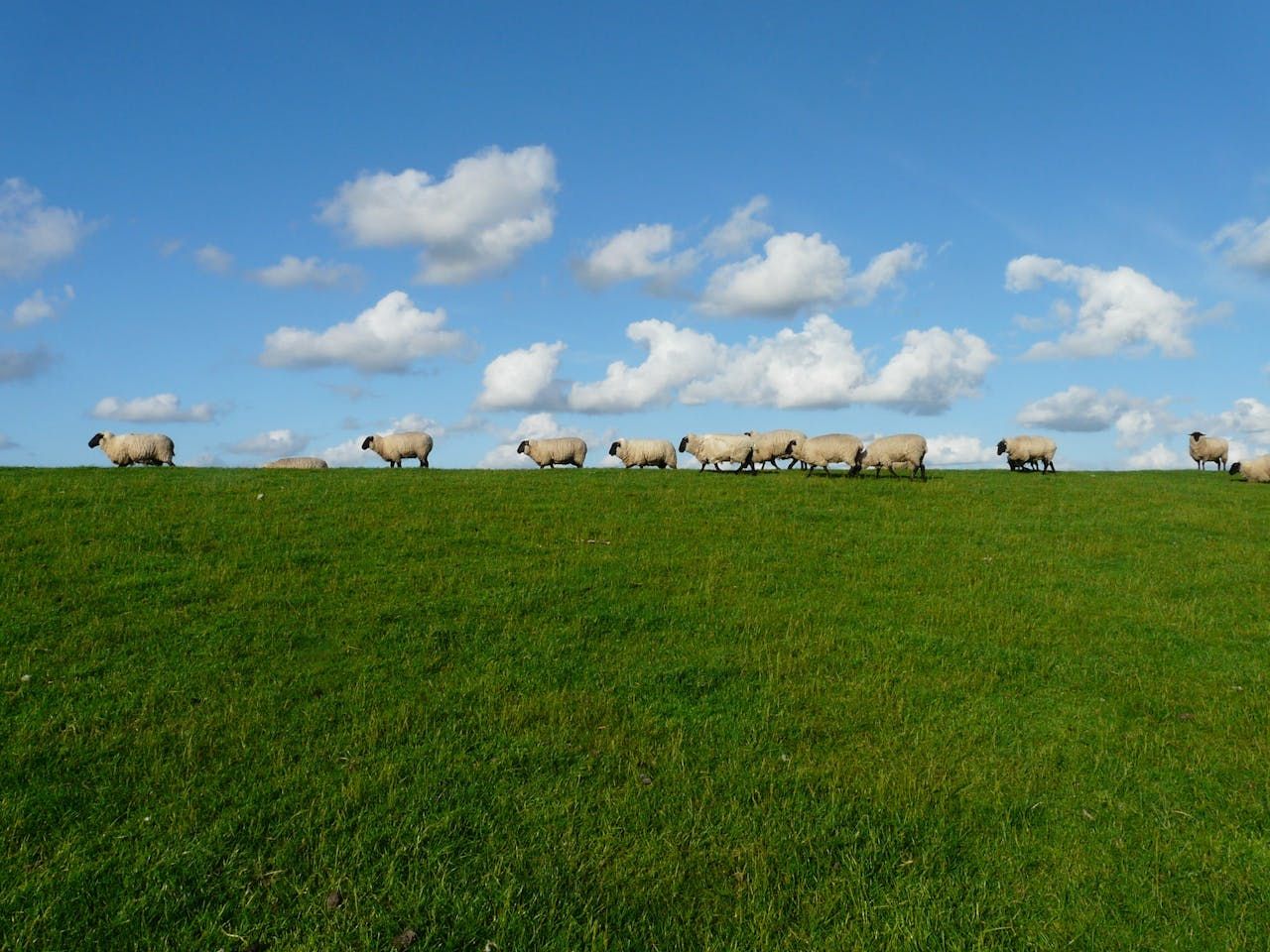
The NSA has stressed the benefits sheep grazing has on mountains across UK farms and the challenges that would arise if it was removed.
Grazing and shepherding contributes positively towards food and fibre production as well as delivering natural resources, according to the association.
The NSA added that flocks around the country have been experiencing widespread loss which puts abattoirs, markets and shepherding skills under pressure.
According to NSA policy manager, Michael Priestley, the removal of this livestock is resulting in the accumulation of woody vegetation which otherwise would have been grazed by sheep.
This can create a serious fire risk if not dealt with.
Priestley said: “There is no single definition of what a ‘good’ upland habitat looks like, but we believe a mosaic of diverse habitats can deliver for nature while allowing sheep farming to remain part of the landscape.
“Grazing, rewetting and rewilding all mean different things in different contexts, so they must be applied in the right places and managed appropriately.”
Response
The NSA hosted a multi-stakeholder meeting involving different UK farming organisations to discus these issues.
The aim of the meeting was to reach an agreement on the future of upland management.
Mick Rhodes of West Yorkshire Fire Service said: Whilst there may not yet be a clear consensus on every aspect of the future direction, I agree that there was a great deal of common ground and a willingness to continue the conversation."
Sara King from Rewilding Britain added that "it was great to sit down and discuss how the uplands can adapt to changing climates".
“There is a range of opinions on grazing style, grazing animal and stocking rates, but we share a common goal in restoring landscapes that are more resilient to wildfires," she said.