Open letter urges National Trust to rethink sheep farming impact

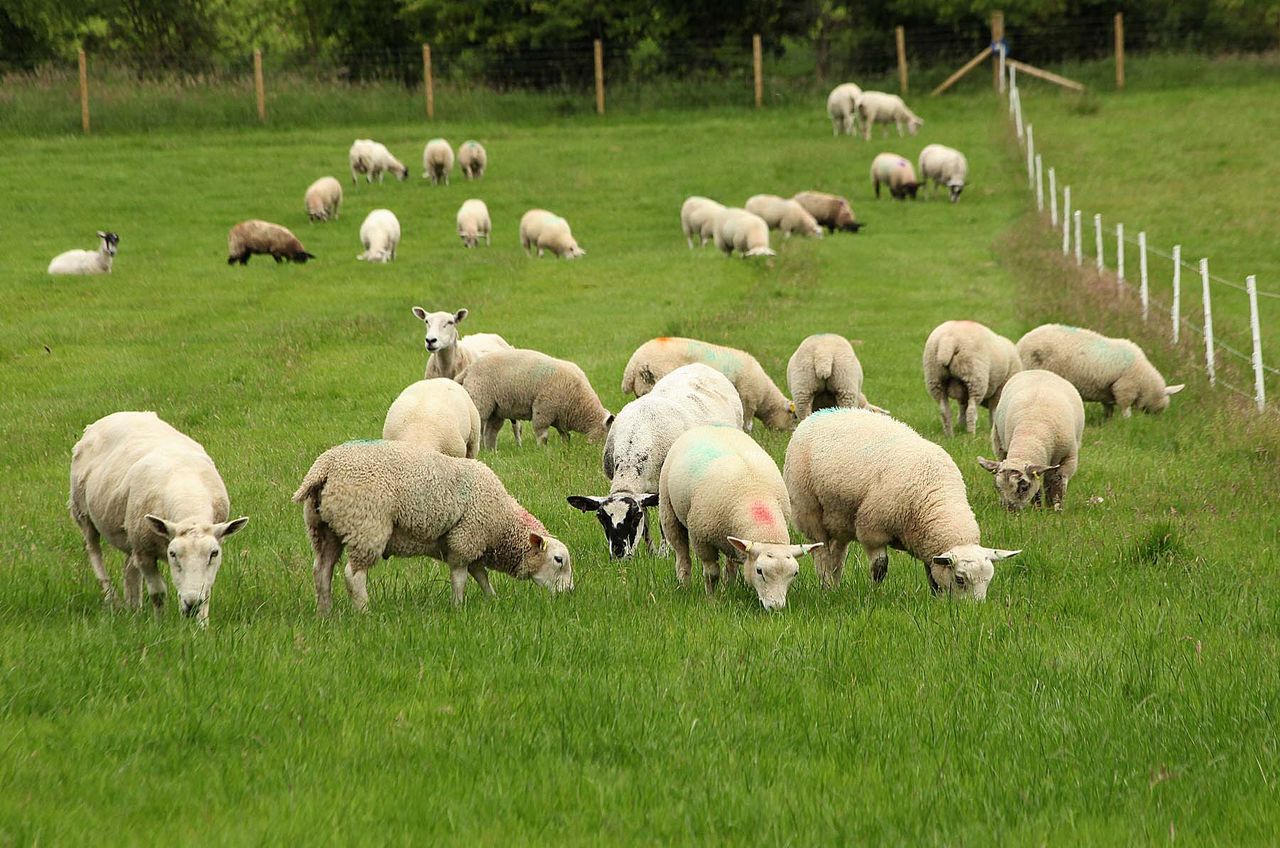
Welsh farmers are voicing their concerns over restoration decisions being made by the National Trusts and the impacts it has on traditional sheep farming.
The Farmers' Union of Wales (FUW) has drafted an open letter to the Trust voicing these concerns.
The letter is being co-signed by the FUW, Tenant Farmers Association Cymru, National Farmers' Union Cymru, National Sheep Association, and other Welsh farming organisations.
One of the main issues mentioned by FUW is the removal of traditional hefted flocks of Welsh Mountain Sheep from farms owned by the Trust.
The letter highlights the importance of traditional Welsh farming practices and the concerns surrounding the potential implications of undermining these traditions.
The letter said: "Recent actions taken by the National Trust, intentionally or unintentionally, undermine the management of hefted flocks of Welsh mountain sheep using traditional practices."
These farms are located in Nant Ffrancon, Gwynedd, a steep-sided glacial valley which is being restored as part of The Nature for the People of Nant Ffrancon project.
This National Trust-led restoration project was launched in late Spetember of this year and plans on improving upland bog, montane heath, rivers, and wildflower grasslands.
Hefted flocks
The FUW highlights the importance of these hefted flocks in upland management.
Sheep in this areas have learned to remain in a particular open hill without any physical boundaries.
According to FUW, this knowledge is passed from ewe to lamb, which can be made harder if historic flocks are removed.
Lambs are taught by ewes where to graze, find shelter, and locate the most suitable areas of the hill.
If they are removed, managing remaining flocks will becom increasingly difficult as they roam further afield.
Establishing or re-establishing a heft is a gradual process that can take several generations of sheep.
According to FUW, significant flocks from four of the Trust’s farms in the area have been removed in recent years, leaving just two farms hosting flocks.
Open letter
FUW is most concerned about the implementation of the National Trusts agenda in the area.
The open letter states that the project has involved minimal discussion or consultation with local communities.
The letter said: “We do not believe that the National Trust has adhered to its values of transparency, nor has it responded thoughtfully to feedback and concerns from local people.
"Collectively, we are supportive of projects and initiatives that protect and enhance Wales' environment.
"However, we do not support projects that focus entirely on environmental outcomes by sidelining traditional practices."
The FUW and other organisations involved in the open letter are asking for transparency from the National Trust.
They want evidence that land management decisions have been made with socio-economic implications to the area in mind.
The letter calls for future decisions to be transparent, evidence-based and developed in a way that recognises agricultural activity and rural communities.