Salmonella cases linked to imported eggs rise to over 470

Salmonella cases linked to three clusters currently affecting the UK have risen to 474, with two deaths, according to the UK Health Security Agency (UKHSA),
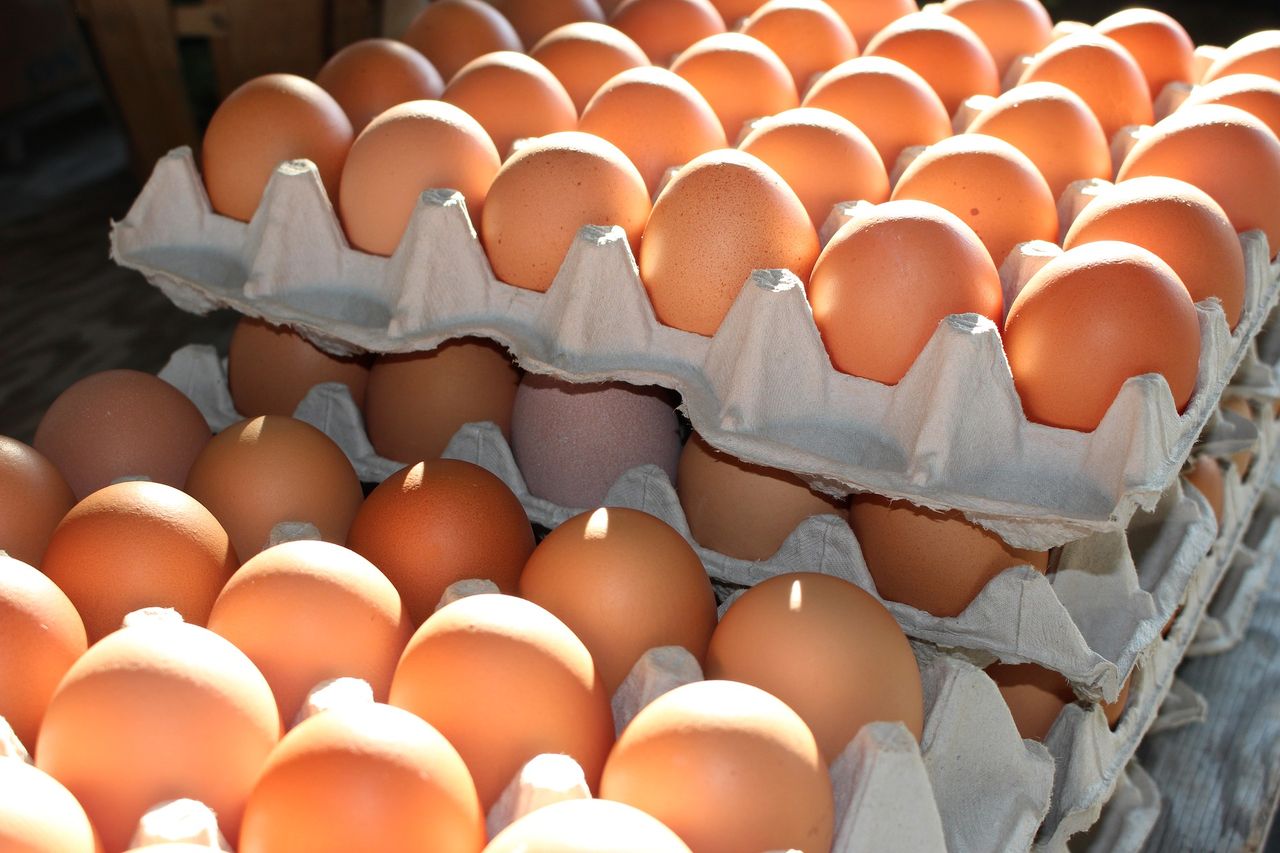
The latest investigations suggest the outbreak of salmonella enteritidis may be linked to eggs imported to the UK from abroad, with cases associated with eating out, from small cafés, restaurants and takeaway businesses.
This is due to the similarity in the bacteria genetics of these clusters along with food information gathered, according to the health agency.
Since the investigation into the first salmonella enteritidis cluster began, which covers dates ranging from range from August 11 2025 to August 8. 2026, UKHSA has identified a further two clusters.
One of the additional clusters was first investigated in 2025 before cases began rising again in June of this year alongside the other two clusters.
Investigation
UKHSA lead epidemiologist, Hannah Charles said the agency is continuing to work with the Food Standards Agency (FSA) and other public health agencies to investigate the outbreak.
She said: "In England, all salmonella samples from patients presenting to hospitals or primary care undergo Whole Genome Sequencing, which provides a good understanding of the emergence of new outbreaks.
"Our investigation to date indicates a link to imported eggs, however this investigation remains ongoing."
Prof. Ian Young, who is a chief scientific adviser for FSA added: "The exact causes of these outbreaks have not yet been identified, but investigations so far have identified links to imported eggs.
"Our food safety advice remains the same: eggs that are thoroughly cooked and handled hygienically should not present a food safety risk."
The professor also said that there is currently no evidence that UK-produced eggs are affected.
Health advice
According to the UKHSA, the risk to the general public from salmonella remains low.
It said that most people with a salmonella infection experience mild, self-limiting symptoms.
However, it added that people with weakened immune systems (very young children, elderly, pregnant women, immunocompromised people) can experience more severe disease.
It said: "People with weakened immune systems, can safely eat raw or lightly cooked hen eggs, or foods containing them, if the eggs carry the British Lion mark or are produced under the Laid in Britain assurance scheme."
According to Charles: "Salmonella infection typically causes diarrhoea, stomach cramps, vomiting and fever for a short period in most people".
She added that salmonella can lead to more serious illness, including sepsis requiring hospital admission.
Prof. IYoung highlighted that hygiene remains key to avoiding salmonella.
He advised against meals featuring raw or lightly cooked egg when eating out, such as mousses, fresh mayonnaise, or hollandaise sauce.
He said: "As with any foodborne illness, good hygiene remains your best protection.
"Store and cook food according to the packet instructions, wash your hands thoroughly before handling food and always after handling raw meat, poultry and eggs."