Shamonda virus: What are the risks for humans?

The first reported case of Shamonda virus in a human shocked veterinary and health professionals alike, raising the question of what risk it poses to people.
While animal disease spreading into humans is not of unheard of, as in the case of both Ebola and Covid-19, the detection of Shamonda virus in a human for the first time has intensified investigations into implications of the disease for public safety.
The first human case of Shamonda virus was recorded in early October, when it was detected in a patient receiving treatment for a another serious illness that had passed away.
The European Centre for Disease Prevention and Control (ECDC) said that investigations into "whether the virus caused or contributed to the patient’s death and how the infection was acquired" are ongoing.
Human infection
According to virologists at the ECDC, a single case of human infection does not necessarily mean the disease may be a threat to the general population.
Emilie Peron, an expert in emerging and vector-borne diseases at the ECDC highlighted to Agriland the importance of the fact that only one human infection has been detected.
She said: “With one single human case, we cannot say how Shamonda virus would affect the general population or people who are immunocompromised.
“However, people who are immunocompromised are at higher risk of complications and severe disease from many infections.”
According to Peron, diseases circulating in animals do not automatically pose a threat to human health.
She explained that a single case in humans does not necessarily mean that the infection can spread efficiently between people or become a wider public health threat.
“Each event therefore needs to be assessed individually, based on the available human and animal-health evidence.”
Risk assessment
The ECDC is currently working with both European Food Safety Authority (EFSA) and the French authorities to inform any future public health recommendations in relation to the disease.
Peron said: “EDCD is following developments with our European partners, and we have begun work on a joint risk assessment with EFSA.
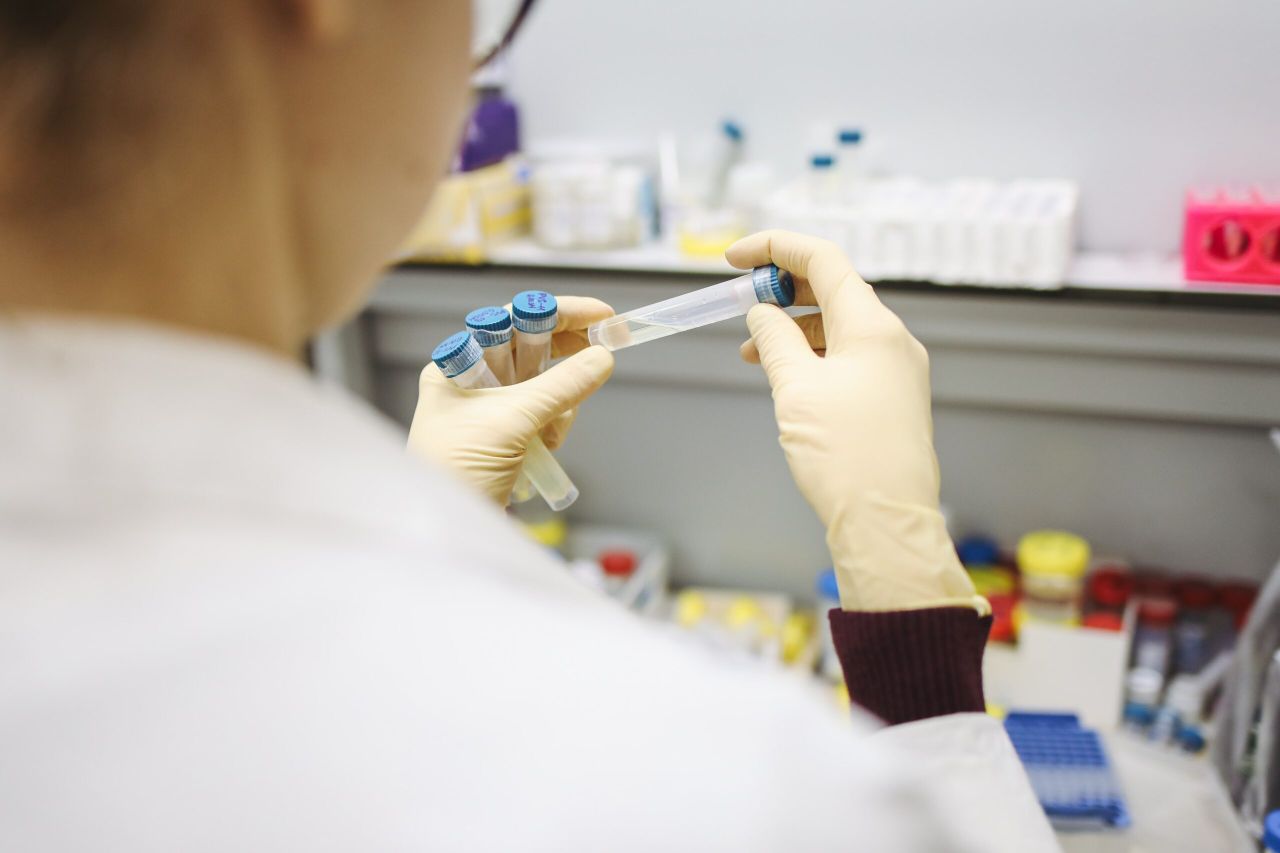
“In addition, we are working with the relevant EU Reference Laboratory to strengthen testing capacity and offer additional support to member states to identify any other potential cases.”
Shamonda virus (SHAV) was first discovered in Nigeria in the 1960s.
The human infection follows the first ever detection of SHAV in European farm animals in summer 2026.
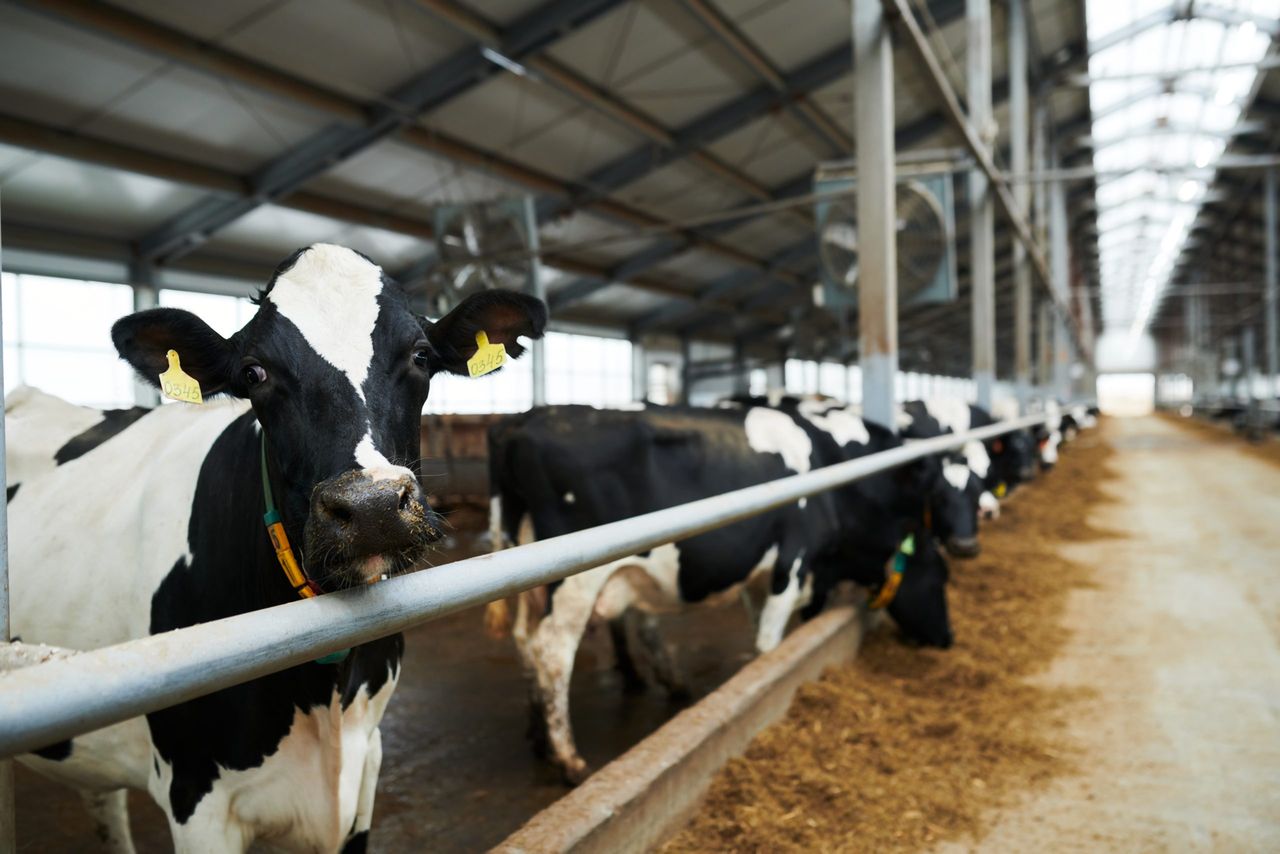
In animals, clinical signs were reported from June, and the virus was identified in late July.
It has since been detected in farm animals in Austria, Belgium, France, Germany, Ireland, Italy, Liechtenstein, Luxembourg, the Netherlands, Portugal, Spain and Switzerland, as well as Jersey.
Shamonda was detected on two dairy farms in Co. Cork in early October. It is not a notifiable disease in Ireland or the EU.
In livestock, the disease includes symptoms such as fever, lethargy, diarrhoea and decreased milk production.