Winterising agri-machinery for the 2027 season

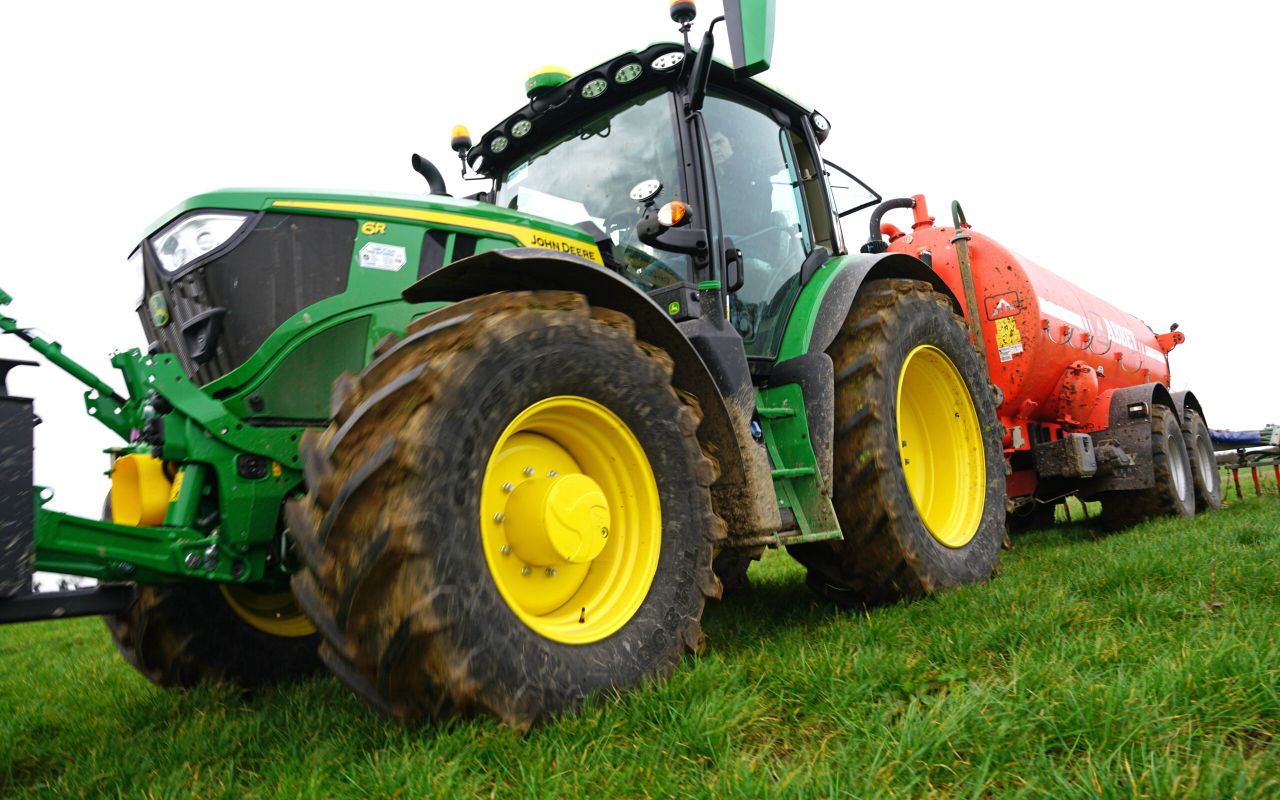
With many operators' agricultural machinery work for 2026 drawing to a close, now is an opportune time to assess machinery requirements, consider upgrades, and ensure equipment is ready for next year.
While each contractor and farmer will have differing requirements and upgrades to consider, all will have similar tasks to complete when it comes to preparing machinery for 2027.
Here is a run-down of some of the main chores to bear in mind before storing equipment for the winter.
Tractors
Every good farming operation will be based around a sturdy tractor to get its work done.
For contractors, a big step of ensuring your tractor is right for next year is to store it correctly and ensure that it is not facing the wrath of the winter elements.
Smaller farming operations may not be able to shed-store machinery, particularly when tractors are needed daily for feeding livestock.
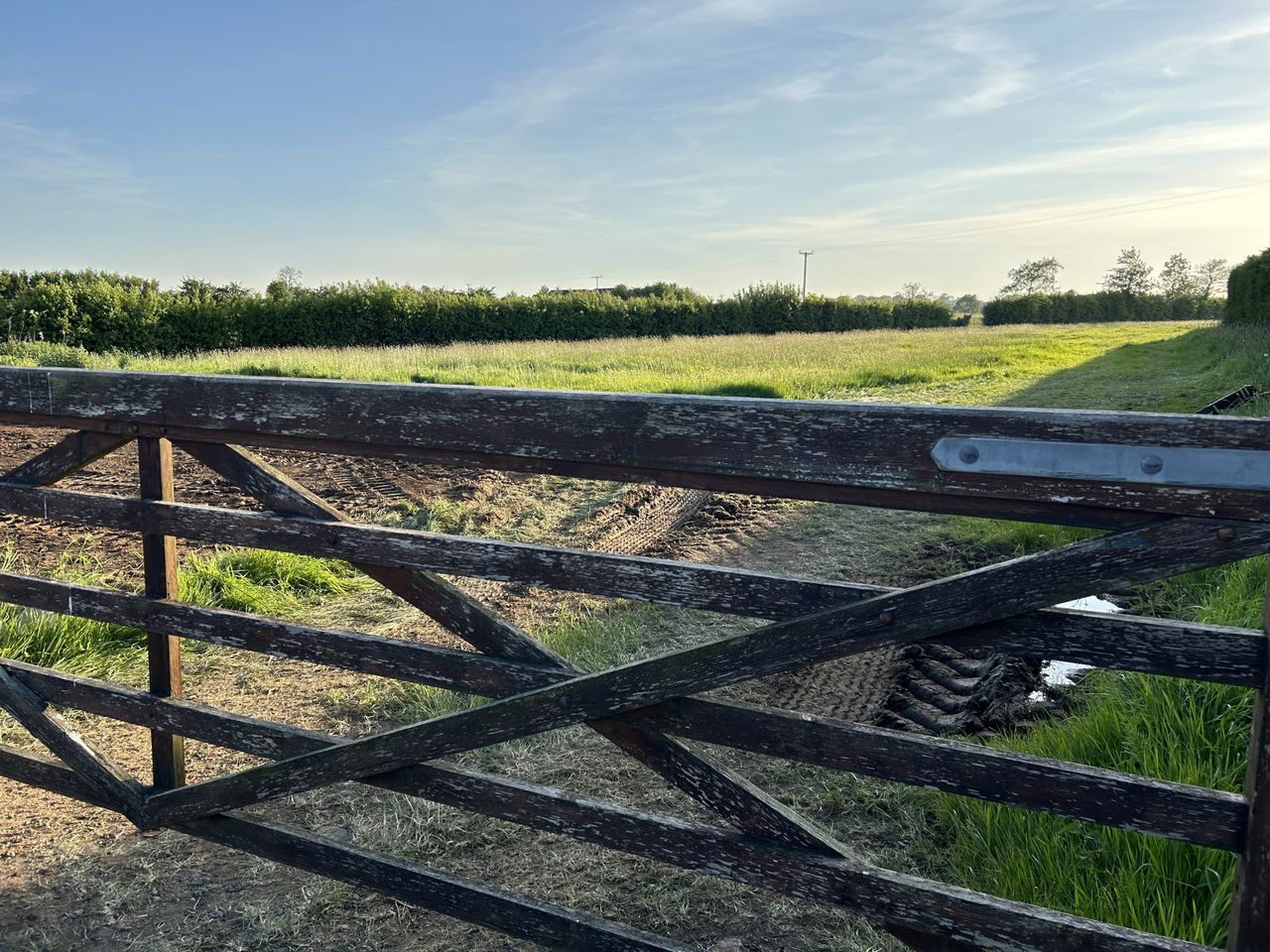
Where machinery must be left outdoors overnight, it should be parked on firm, level ground where possible, with electrical connections protected from moisture and exposed equipment secured.
Ensuring cabs are locked and valuable attachments protected can also help prevent theft as well as weather-related damage.
Regardless of whether your machine is stored in a shed or parked outside, there are a number of mechanical servicing tasks that can be done to ensure the tractor will pull into 2027 with wind in its sails.
Servicing and preventative maintenance is the best thing you can do to prolong the service life of any machine, whether that be a car, tractor, or dishwasher.
From replacing engine oil and filters to checking coolant hoses, belts, bearings and hydraulic parts for wear and tear, repairs to such parts will usually be considerably cheaper than dealing with a large bill if something gives way.
Tyres
Tyres are one of the most important yet often overlooked parts of a machine.
Tyres should be checked for cuts, cracking, uneven wear and damage to the sidewalls.
Operators should also assess whether the tread depth is suitable for the work ahead, or if a new set will be needed in the near future.
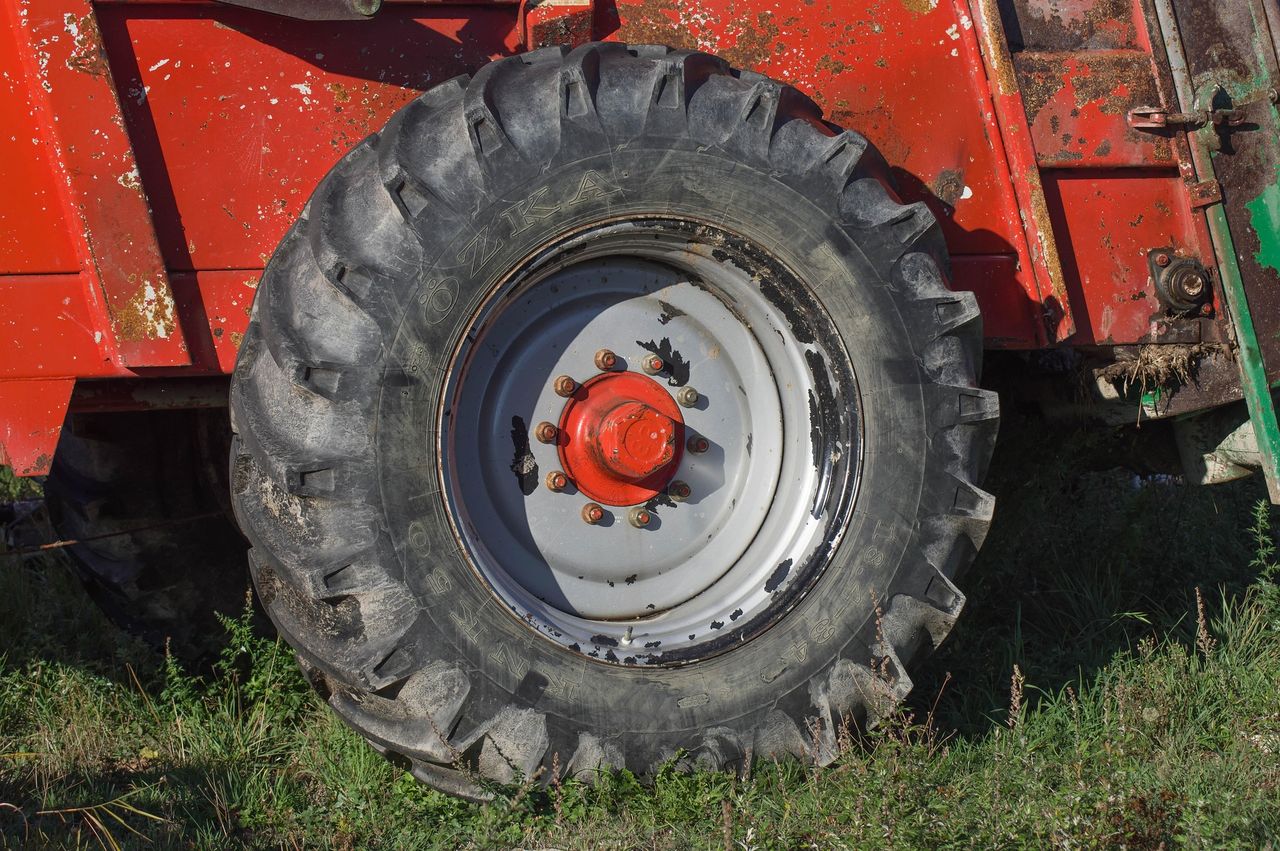
For some agricultural holdings, the installation of a Central Tyre Inflation System (CTIS) on a machine may prove a worthwhile investment.
Tyres have a huge impact on operating efficiency, as incorrect pressure can lead to some notable complications.
Soil compaction, reduced traction, increased fuel consumption and accelerated wear can all be attributed to incorrect tyre pressure.
Slurry machinery
With farmers set to return to slurry when the season opens in mid-January, they should ensure that their equipment is ready for the task ahead.
Particular attention should be given to slurry tanker pumps, pipework, hydraulic connections and spreading equipment, with worn or damaged components replaced.
Outlets should be checked to see if they are distributing slurry evenly across the working width.
Low emission slurry spreading (LESS) equipment, such as dribble bars and trailing shoes, should be inspected for damaged hoses, blockages, and wear.
Silage equipment
This window where contractors and farmers have the opportunity to address any maintenance issues for silage machinery before first cut will prove invaluable.
Implement gearboxes, blades, tedder and rake tines, and trailer bodies are just some of the parts that may need care before the next silage season.
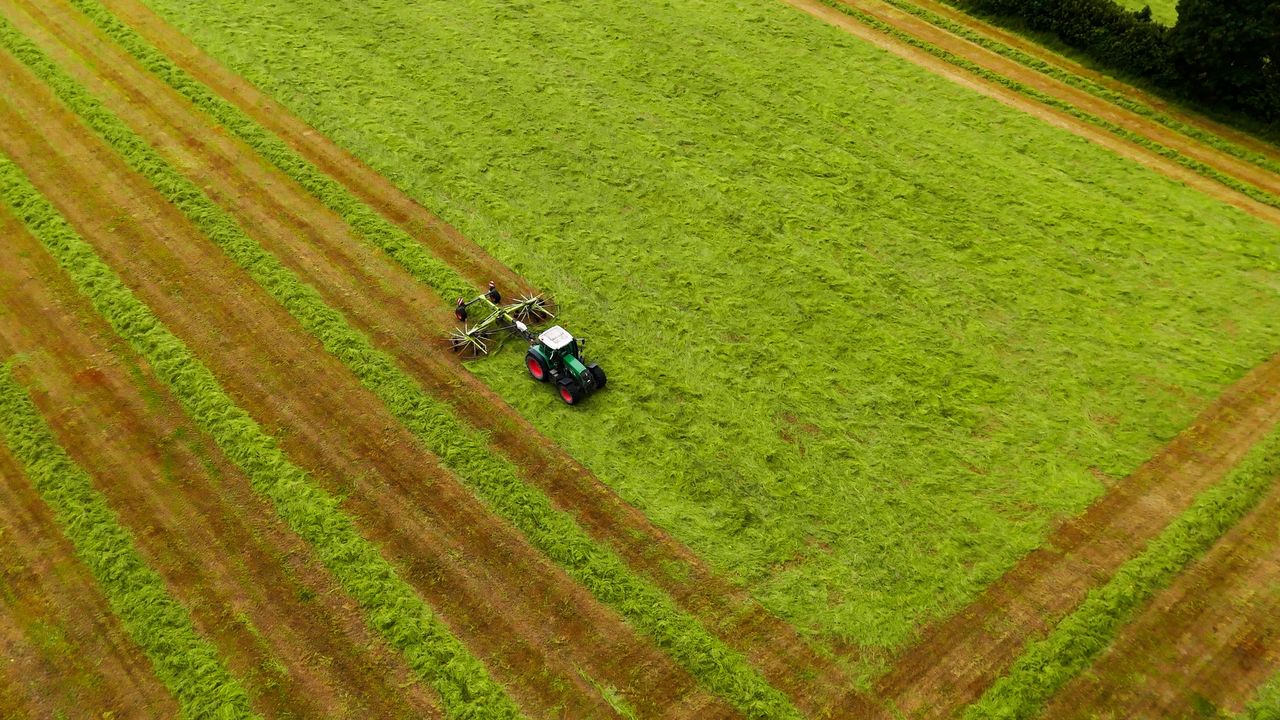
In regard to blades and tines, the best advice is to stock spares.
While you can sharpen knives, contractors will not have time to do so during the peak of the season, so having another set ready to go that are already sharp can be a lifesaver.
It is inevitable that tines will break and need replacement, so rather than needing to get them during the busy period, it could be clever to put a box aside and be ready to pull from it next summer.
Precision technology
With the modernisation of agricultural machinery and technology, getting the most out of a machine and its features now often means knowing its precision systems inside and out.
If one is unfamiliar with these systems, it can be a complex and confusing process to learn about and implement them; however, they can quickly take an operation up a notch.
With effective precision agriculture technology, operators can more easily identify where fertiliser is effectively increasing yield, use ISOBUS to simplify utilisation of implements, and autosteer technology to help reduce overlap.
A lot of agricultural operators will not have access to the most modern machinery with all the precision agriculture bells and whistles.
For those set-ups, retrofit solutions like PTx's FarmEngage data management system may be an alternative to spending hundreds of thousands of euros on a new tractor.
Operations that do choose to invest in this technology over winter may come into the next busy period with extra features designed to improve efficiency and reduce operator fatigue.
Upgrading
While machines can be serviced and maintained to a high level, sometimes operations are better off to upgrade.
In some cases, older machines just cannot keep up with the newer, shinier models, no matter how much service and maintenance they get.
Farmers may see increased speed and precision, decreased operator workload, and downtime from a new machine that would make it a worthwhile investment for their business.