Tesco calls for transition to low carbon fertilisers on UK farms

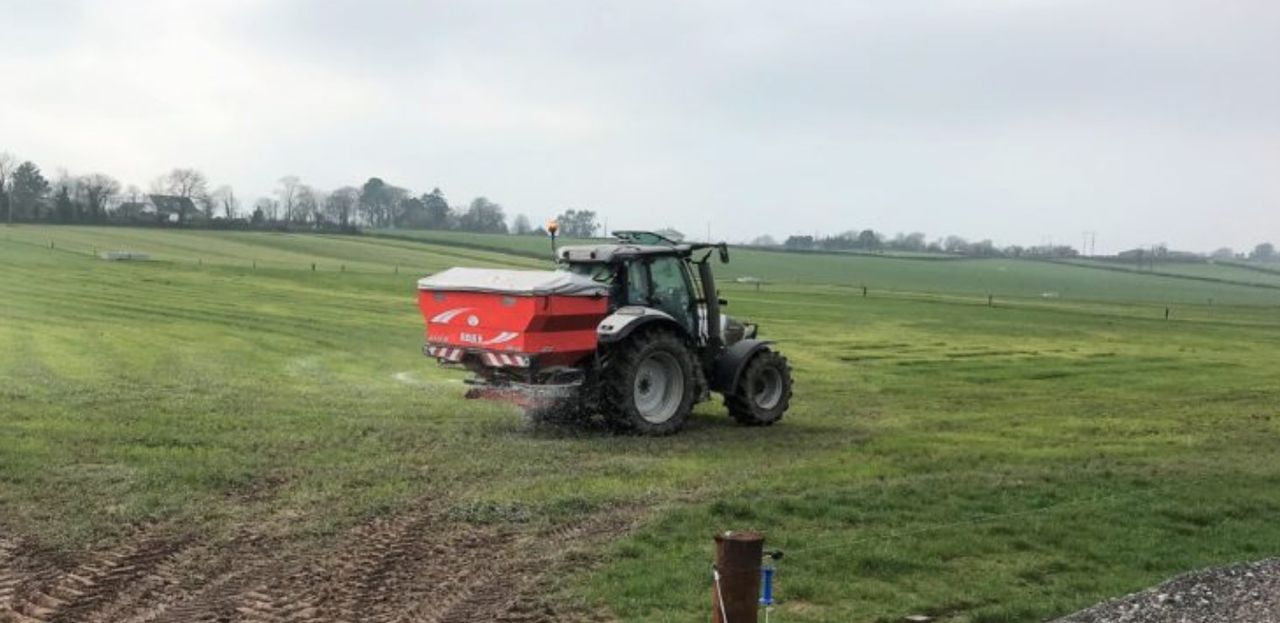
Tesco has called upon industry leaders, retailers and innovators to jointly help farms in transitioning to low carbon fertilisers, with the hope of strengthening the UK's food security and creating stability for British farmers.
This call to action has been made following Tesco UK CEO Ashwin Prasad's appearance at London Tech Week today (Tuesday, June 9), where he discussed how innovations, such as low carbon fertilisers, could play an important role in reducing emissions on farms.
Prasad noted that alternative fertilisers could help farmers withstand supply chain shocks, such as the heightened prices seen since the start of the Middle East conflict.
According to Tesco, low carbon fertilisers can offer a "more price-stable, domestically produced alternative", with the retailer stating that "the price gap between low carbon fertilisers and conventional options has narrowed" in recent months.
Funding for trials
While emphasising that low carbon fertiliser can "produce comparable yields with lower environmental impact", Tesco stated that many farmers cite a lack of widespread supply and difficulty in accessing funding for trials as key barriers to making the transition.
The retailer has already conducted a series of trials on the Tesco Low Carbon Concept Farm in Lincolnshire, which used a combination of "low carbon growing techniques - locking in CO2 as part of the process."
The trial reportedly recorded a 50% reduction in carbon emissions, with no effect on yield or quality, resulting in 500 tonnes of potatoes being harvested.
Tesco outlined that these potatoes, which were provided by its supplier Branston, went on sale in stores earlier this year.
Tesco
Drawing on this experience, Tesco is now calling on others across the food supply chain to scale low carbon fertiliser production and availability, facilitating the switch from small-scale into mainstream adoption,
Tesco UK CEO Prasad commented: "We want to support our British farmers in rolling out innovation – it can help increase economic growth, build resilience and improve efficiencies on farm.
"But too often, promising technologies struggle to move from trial to everyday use on farms; low carbon fertilisers are a clear example.
"They have real potential to reduce environmental impact, strengthen the resilience of UK food production, and keep a reliable supply of British products on our shelves, but scaling them will require greater availability, clarity on price and the confidence that farmers can plan their use over the long term."
He also highlighted that Tesco hopes to encourage more farming innovations with the relaunch of its Agri-tech Challenge, formerly known as the Agri-T Jam.
Tesco outlined that its competition is for start-ups and innovators with practical solutions to help farmers improve sustainability, resilience and productivity, with applications set to open on July 3.