The key role of sheep within hill farming systems

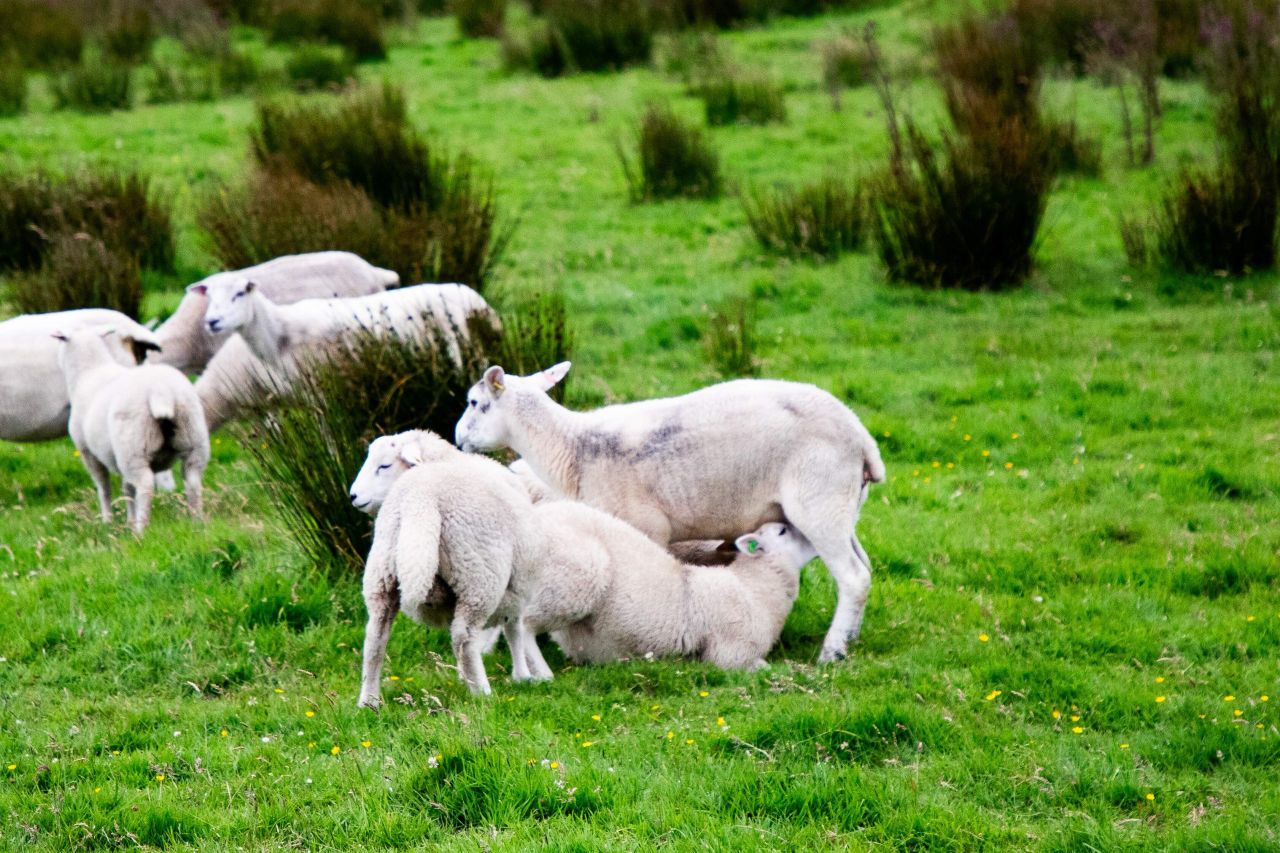
Research is confirming that sheep play a key role in helping to maximise the resource represented by hill farming systems.
This includes the grazing of blanket bogs at specific times of the year with these animals.
But it is an approach to sheep production that requires the implementation of balanced management systems on the part of flock owners.
According to College of Agriculture, Food and Rural Enterprise (CAFRE) senior livestock technologist, Dr. Eileen McCloskey, upland sheep flocks in Northern Ireland can be managed in ways that deliver in terms of both food production and environmental improvement.
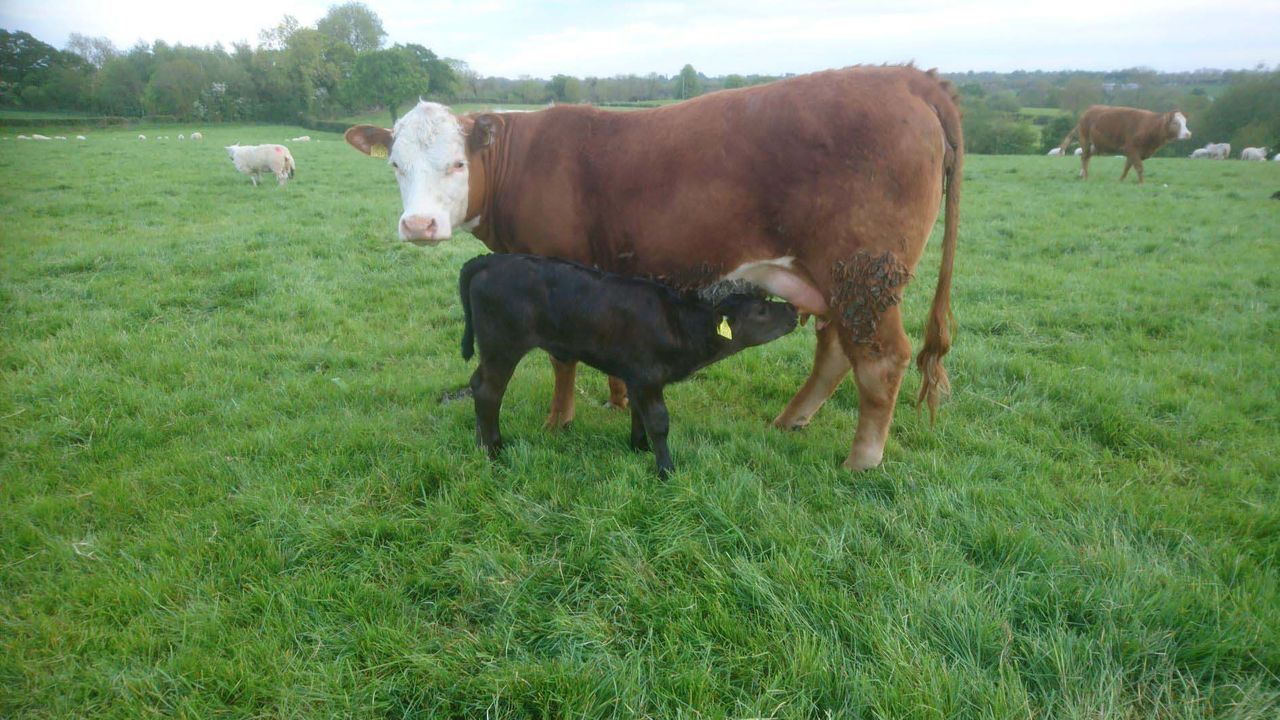
She explained: “Both suckler cows and sheep maintained in hill areas can meet all the production set for them.
“Key to making this happen is ensuring that animal health levels are maximised at all times.
“In addition, the livestock will also ensure that we meet our habitat priorities.”
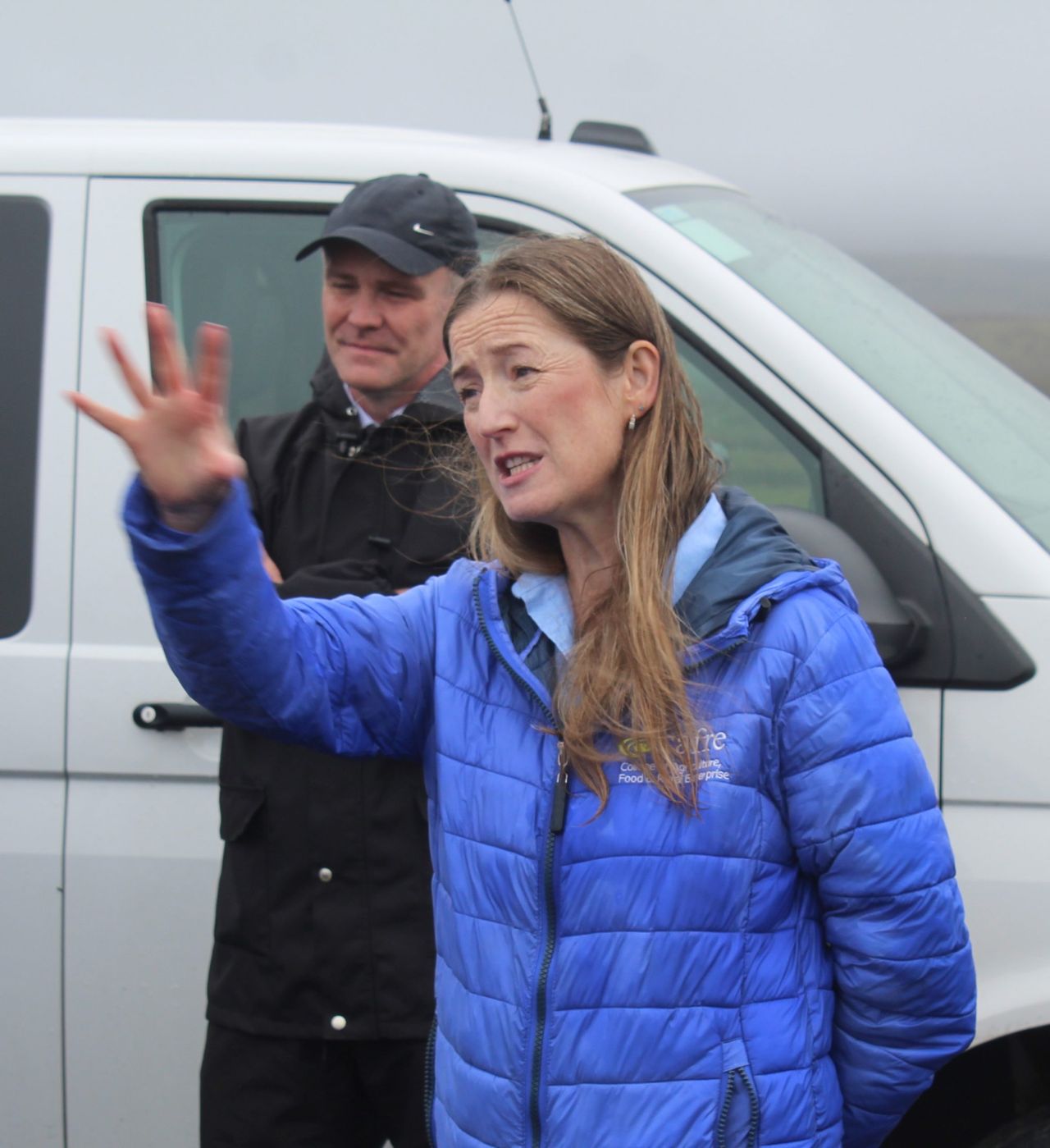
McCloskey made these comments while addressing members of the Northern Ireland Institute of Agricultural Science as they visited the CAFRE hill farm at Glenwherry in Co Antrim.
She continued: “What we are trying to demonstrate is that it is possible to maintain good and viable livestock systems while also managing habitats on a sustainable basis."
Maintaining carbon stocks in hill areas, particularly where blanket bog is concerned, will be a key priority for hill farmers into the future.
McCloskey added: “What keeps that carbon there is the vegetation that is on top of the peat.
“A healthy plant cover delivers two objectives: it sucks carbon dioxide in from the atmosphere while also keeping the soil carbon stocks that already exist.
“In turn, livestock can manage the vegetation that is growing in different locations. So, it’s very much a case of selecting the type of livestock that best suit a specific environment.
“But irrespective of where a farm is located, everything comes back to managing soils effectively.”
According to the CAFRE representative, plans are in place to research the impact of different vegetation management systems at the Glenwherry hill farm.
These include the introduction of different grazing densities.
“Our aim is to identify those ways by which we can maintain the vegetation cover in a healthy state at all times.
“Exposed peat will quickly lead to significant losses in soil carbon. So, it’s very much a case of avoiding this scenario at all costs," McCloskey said.