Third Scottish bluetongue case confirmed as UK numbers spike

The Department for Environment, Food and Rural Affairs (Defra) has confirmed a third case of bluetongue in Scotland.
There has been spike in bluetongue cases in Britain, with the virus also entering Scotland for the first time this bluetongue season.
According to Defra, there have been 395 cases of bluetongue serotype 3 (BTV-3) in the 2026-2027 bluetongue season, including:
- 382 cases in England;
- 10 cases in Wales;
- 3 cases in Scotland;
- 0 cases in Northern Ireland.
Earlier this week (August 13), 19 new cases of BTV-3 were confirmed in England, with where 18 involving sheep and one cattle.
According to Defra, all cases presented with clinical signs typical of those seen in recent cases.
Scotland
In Scotland, the virus has been detected on a third farm in the council area of Dumfries and Galloway.
The first case in the country was confirmed by Defra earlier this week.
All three cases in Scotland to date have appeared in sheep.
The animals that had the virus have since been euthanised.
Vaccination advice
The UK's chief veterinary officer (CVO), Christine Middlemiss, has urged livestock keepers to be on high alert for the virus and to heavily consider vaccinating their animals.
In a statement, Middlemiss said: "Bluetongue can have serious welfare consequences for affected animals and livestock businesses, as we are already seeing in the south-west of England and Wales.
"Vaccination is the best tool available to help protect susceptible livestock, even in the face of an outbreak, so I absolutely continue to urge farmers to speak to their vet about vaccinating their herd or flock.
"It takes time for immunity in vaccinated animals to build and it is best to have this conversation now.
"Keepers should remain on high alert, check their animals regularly and report any suspicion of any notifiable disease immediately to the Animal Plant Health Agency," she said.
The recent hot and humid weather in Britain has created favourable conditions for the biting midges that spread bluetongue.
This presents a significant challenge for livestock keepers and vets on the frontline of the bluetongue disease.
Pharmaceutical company Boehringer Ingelheim has confirmed that an additional supply of the Bultavo 3 vaccine will soon be entering the UK.
Bluetongue
Bluetongue is a notifiable insect-borne viral disease that affects sheep, cattle, other ruminants such as goats, and camelids such as llamas.
Bluetongue is mostly spread via midges (although it can also be spread by natural or artificial breeding), which require temperatures greater that 12°C for a sustained period for bluetongue to replicate within them so they can spread the virus.
The most common bluetongue serotypes in Europe are serotypes 1, 3, 4, and 8.
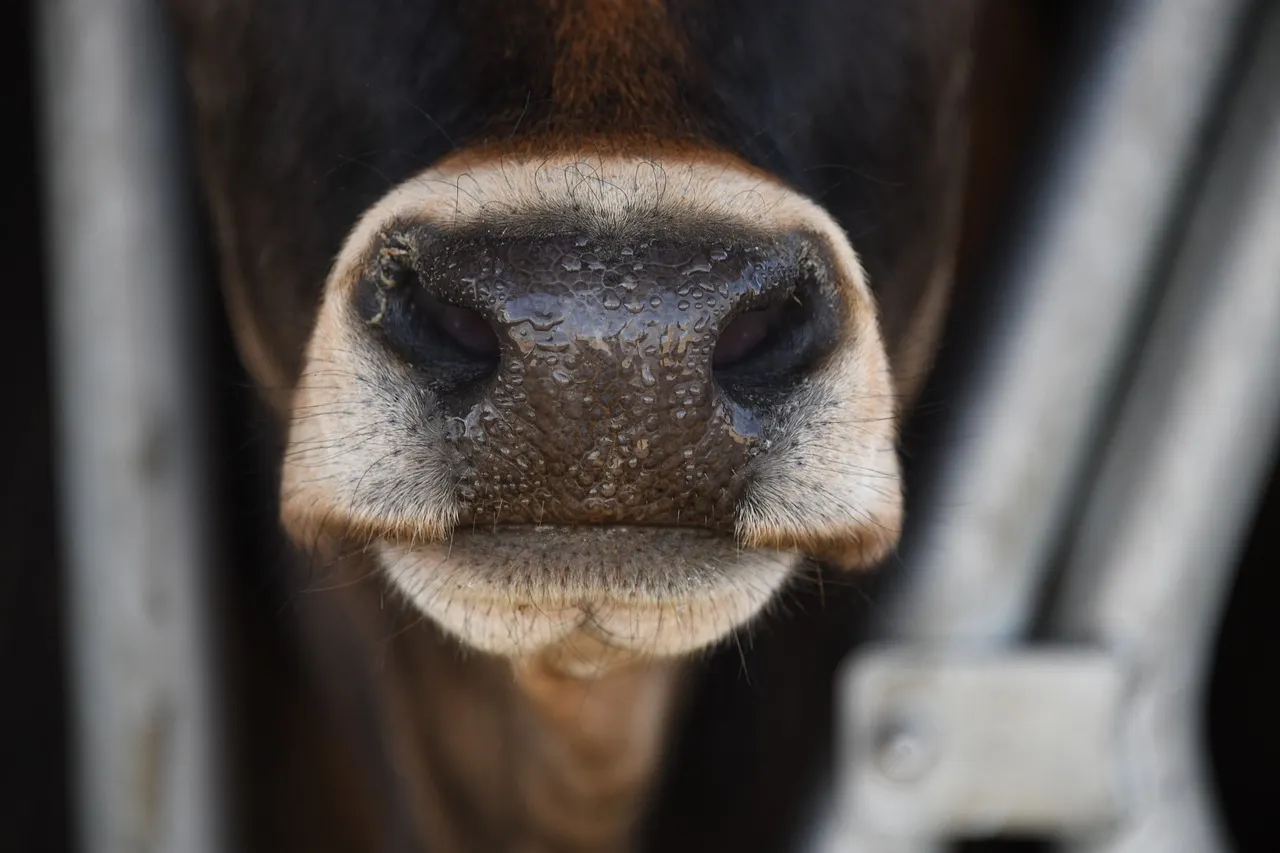
BTV-3 can present with symptoms of nasal discharge, lameness, diarrhoea, a decrease in milk production, and redness/swelling of the lips, nose and muzzle.
BTV-3 is a notifiable disease and is required to be reported to the Animal and Plant Health Agency (APHA).
Bluetongue does not affect human health or food safety, however, it can have a significant impact on farmers whose animals become infected due to additional financial and emotional stress.