


Progress in increasing tree planting and peatland restoration across England has slowed due to “recent funding uncertainty”.
That’s according to a new report from the National Audit Office (NAO) on the Department for Environment, Food & Rural Affairs (Defra) Nature for Climate Fund Programme.
It found the recent funding uncertainty “has slowed momentum” and there are “opportunities for increased participation and use of private finance in future schemes”.
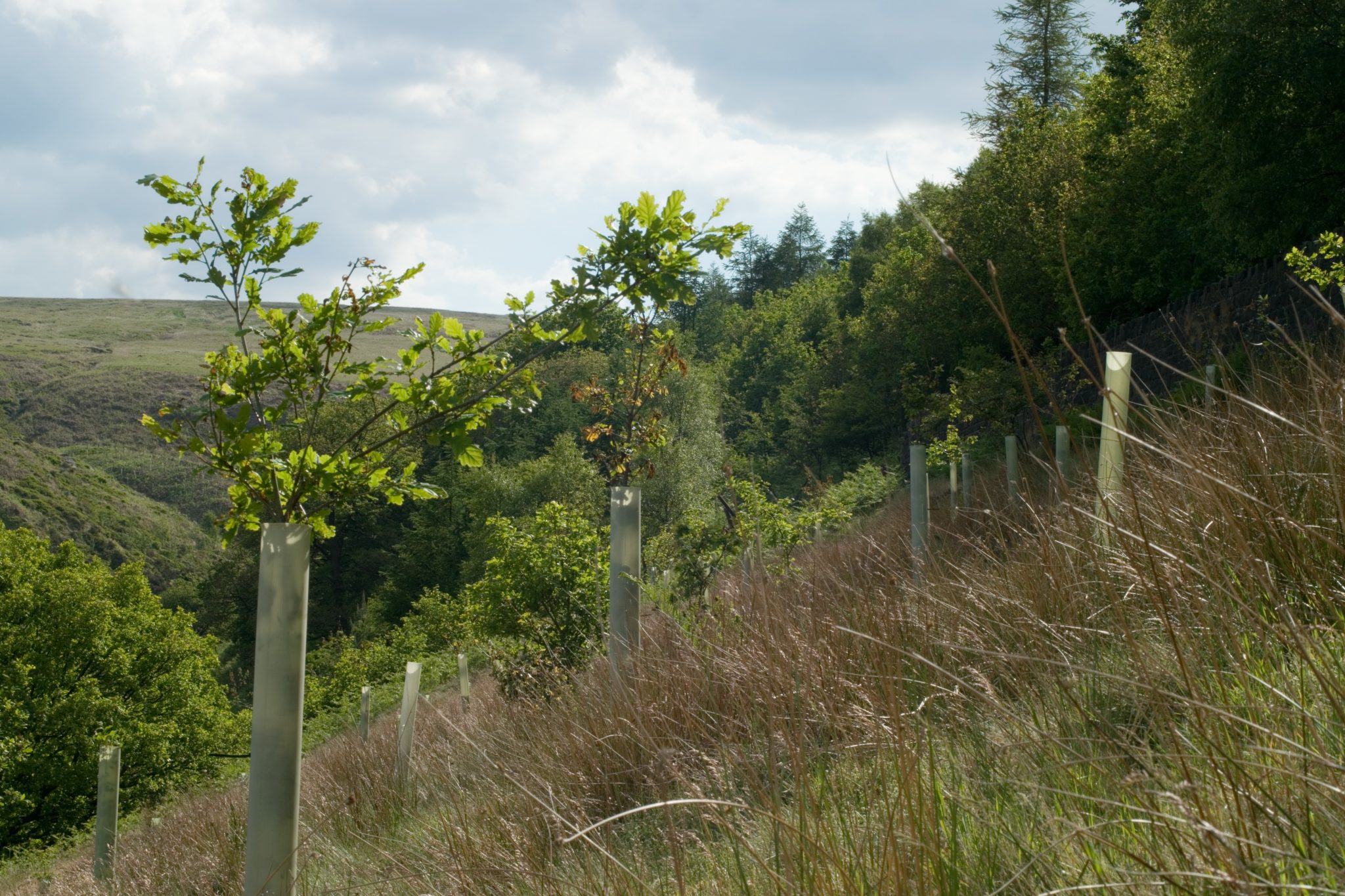
The Nature for Climate Fund Programme was established in 2020 to increase tree coverage and restore peatland, 80% of which in England is in a dry or degraded state.
The NAO found that the programme led to a substantial increase in tree planting and peatland restoration.
In 2024-25, it directly funded 6,324ha of tree planting out of the total 7,162 ha in England.

While this was lower than the target of 7,500ha a year, it is nearly as much as the amount planted in total over the five years before the programme was established.
But, according to the NAO, the programme had a slow start, with earlier years further away from planned levels of activity, meaning it missed its headline cumulative targets.
These targets were to achieve 28,728ha of tree planting and 35,000ha of peatland restoration.
In the five years from 2020/2021 to 2024/2025, the programme directly funded:
- 15,268ha of tree planting (53% of the target). Total tree planting in England in the period was 21,186ha (74% of the target);
- 23,526ha of restored peatland (67% of the target). Total peatland restoration in England in the period was 26,426ha (76% of the target).
Stakeholders such as community forest organisations, landowners and third sector organisations reported delays initially to the processing of grant applications and land use changes, leading to the programme’s slow start, the NAO said.
Head of NAO, Gareth Davies said: “Defra’s Nature for Climate Programme has helped to significantly increase tree planting and peatland restoration in England.
“In order to ensure momentum doesn’t stall, Defra should apply what it has learned about the most effective use of its funding, to maximise the climate and biodiversity benefits and attract private investment.”
The NAO recommended that Defra:
- Further improve its monitoring of intended beneficial outcomes from its investment in tree planting and peatland restoration activities;
- Ensure there is a process to prioritise its objectives for future programmes, for example between carbon reduction, timber production and nature improvements;
- Take a more proactive approach to managing tensions between government’s ambition to restore nature and its other policy objectives that are putting development pressure on peatland and woodland;
- Revisit long-term targets for tree planting and peatland restoration by 2050 to establish whether they remain realistic and ensure they are aligned with delivery capacity;
- Where possible, reduce uncertainty for delivery partners and wider stakeholders, particularly during transition periods;
- Create the right conditions to attract private investment in nature restoration activities.
Defra expects the programme to deliver very high value for money.
According to the NAO, Defra estimates of the actual benefits the programme has delivered (such as carbon sequestration, improved air quality and biodiversity) do not yet cover the full range of outcomes or the whole five-year period, but plans to release a final evaluation later this year.
