UK harvest 2026: Wheat and spring barley yields down as oilseed shines

The Agricultural and Horticultural Development Board (AHDB) has published its final update for harvest 2026 in the UK.
It confirms what is, by now, a very familiar theme: another highly variable harvest shaped by limited rainfall from spring onwards.
While some farms further north have achieved results close to, or above, their long-term averages, the extent of the reductions across the national averages for wheat, spring barley, and oats confirms how challenging harvest 2026 has been for the UK.
The winter wheat harvest is now complete. Average yields from the survey sample have edged up to 6.9t/ha as more crops were harvested in Scotland and northern England.
But this remains around 11% below the national five-year average.
Reported yields ranged from 3.9t/ha to 11.5t/ha, highlighting the considerable variation seen across the country.
Winter barley yields were broadly in line with their five-year average at 6.9t/ha.
However, spring barley remains one of the most challenging crops this season, averaging 4.8t/ha, around 17% below the five-year average despite some improvement from late-harvested northern crops.
Oat yields have also improved as harvest progressed in Scotland, reaching 4.6t/ha, but remain around 14% below the UK five-year average.
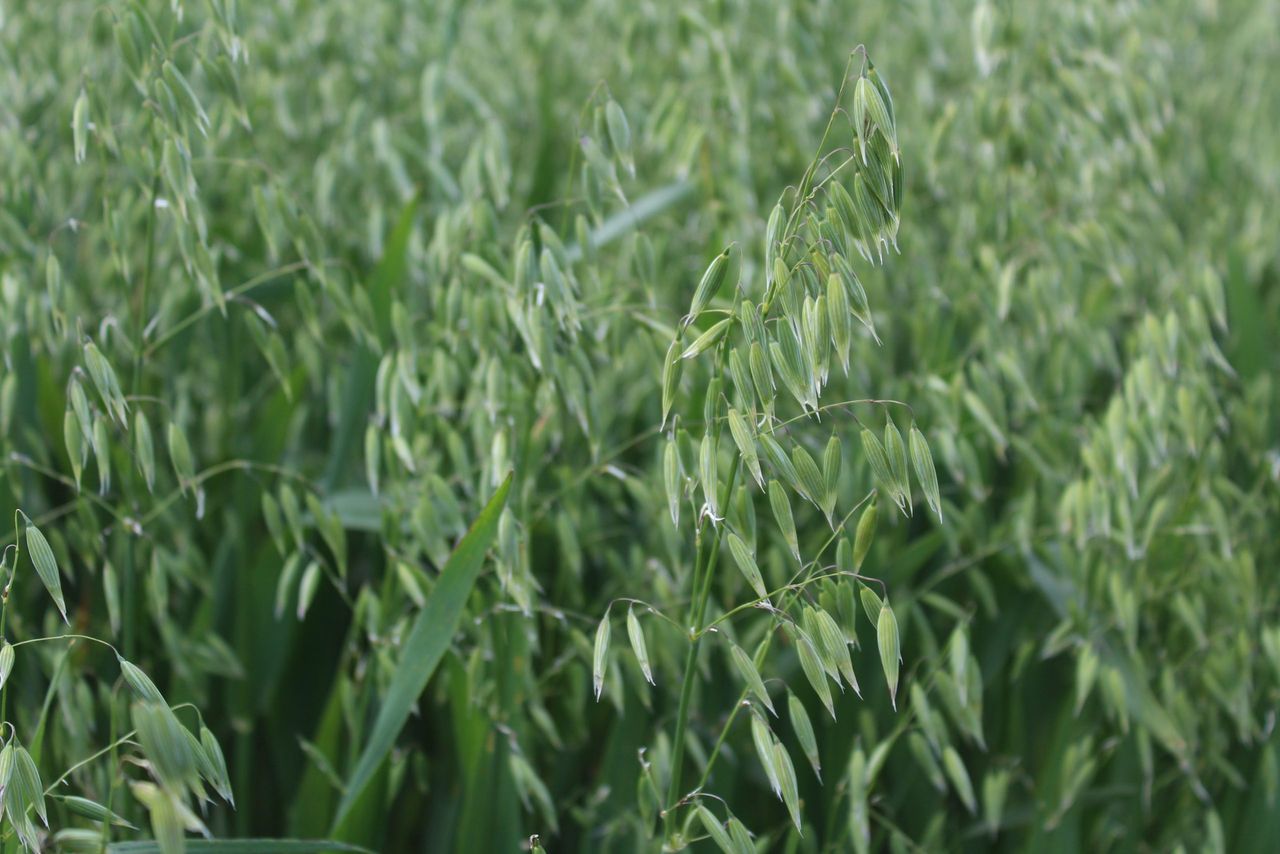
Both crops showed substantial variation in performance between farms and regions.
Oilseed rape continues to be the standout performer of harvest 2026.
The average yield from the survey sample reached 4.0t/ha, approximately 19% above the UK five-year average.
However, even within oilseed rape, significant variation between farms was reported.
Factors
So what has caused this wide differential in harvest yields?
According to AHDB analysts, a number of factors must be considered.
These include: soil type and its ability to retain moisture; drilling date; the use of organic fertilisers; previous cropping history; variety choice: seed type; and, finally, specific local weather conditions
As a result, farm performance has varied significantly, with some growers achieving yields close to, or even above, their long-term average, while many have seen substantial reductions.
AHDB is also confirming that the quality of the 2026 UK grain crop is also highly variable. This will make managing grains in store more challenging.
For many growers in England and Wales, the progress of harvest 2026 was rapid and straightforward but with very disappointing yields.
Progress slowed down as the harvest moved further north and into Scotland due to wetter weather.
This movement north coincided with a rise in crop moisture levels and some improvement in the yields reported.