

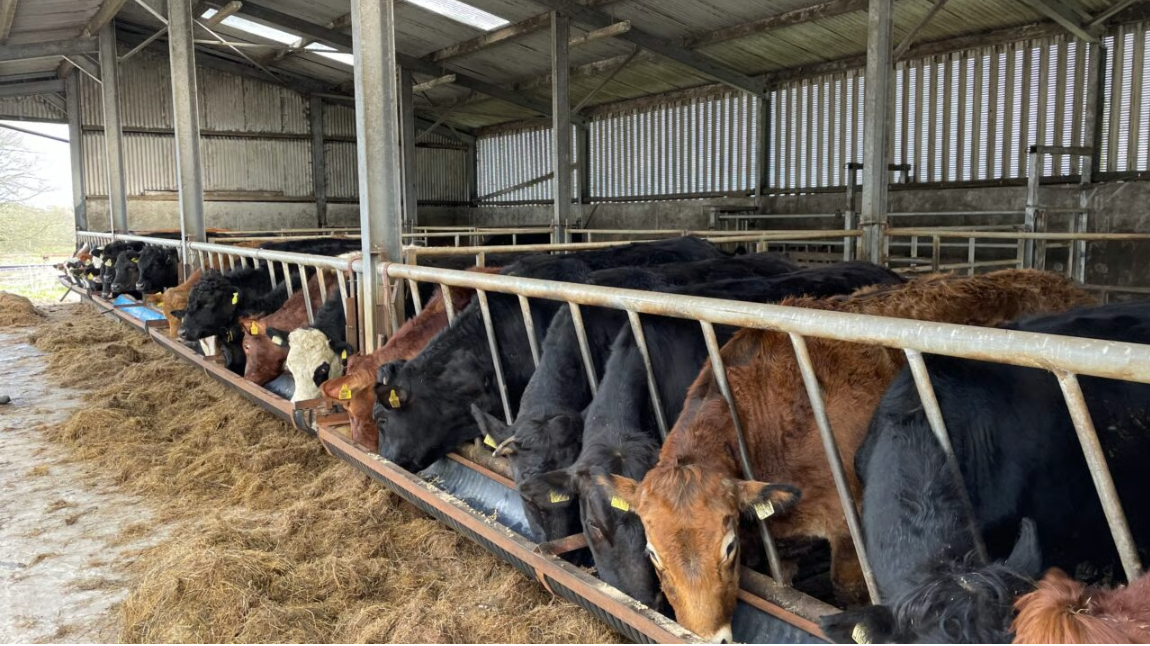
So what has been the direction of travel taken by Northern Ireland’s beef industry in the 30 years following the BSE crisis of 1996?
It is a subject that Traditional Unionist Voice (TUV) agricultural spokesperson, Allister Kyle, has reflected on.
He points to a sector that has had to cope with significant hikes in input costs, with farm gate returns not keeping pace with these trends.
Kyle said: “Whilst on paper, the beef price has now far exceeded quotes from 1996, if you take inflationary pressures into account, it doesn’t look as positive.
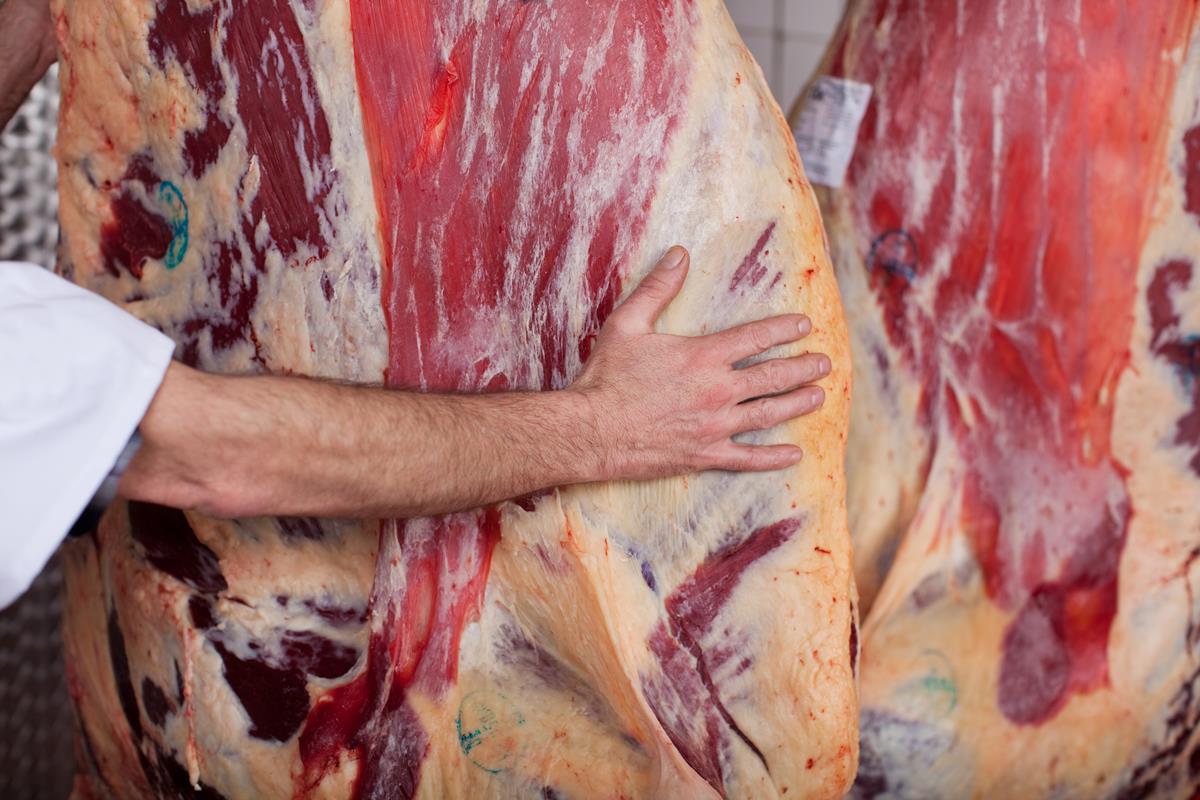
“In 1996, beef prices were relatively stable and the BSE crisis truly shook confidence.
“Thankfully things once again look relatively stable.
“The UK as a whole has the best food standards in the world and this mean our product is far safer than foreign imports the likes of the Mercosur deal could bring Northern Ireland’s consumers.”
The TUV agricultural spokesperson noted that despite this quality, farmers do not always see it reflected in farm gate prices.
“Unfortunately, in truth the meat processors margins have increased too far on top of the base product, yet they have no cow to calf or bullock to feed for the most of 30 months, meaning that beef is becoming unaffordable for many households and restaurant customers,” he continued.
Farm gate prices
According to Kyle, the average farm gate price paid for beef in Northern Ireland by meat plants was approximately 225p/kg deadweight: that is roughly 500p in today’s money.
Meanwhile, in October 2025, base quotes were around 624p.
“But that doesn’t tell the whole story,” Kyle argued.
“Inflation has been brutal on the inputs you and I pay for: fuel, fertiliser, veterinary bills, contractor time, tyres, feed, and bedding.
“Those items haven’t just grown in line with general inflation: many have far outpaced it.”
Kyle added that according to the Agricultural and Horticultural Development Board, total farm input costs “have surged over 40% in just the last five years alone, with animal feed and fuel being major drivers of that historic rise”.
“Put simply: beef prices might seem higher, but the cost to produce every kilo of beef has climbed even more,” he said.
“For young farmers entering the beef sector in 2026, inflation isn’t just a word: it’s the margins stripped from every finished beast.
“We are at the mercy of global markets and trade deals, which have reshaped demand and competition.
“We now compete at the supermarket level with cheap imports while bearing all the production costs ourselves.
“This means viability is about resilience: not just revenue.”