

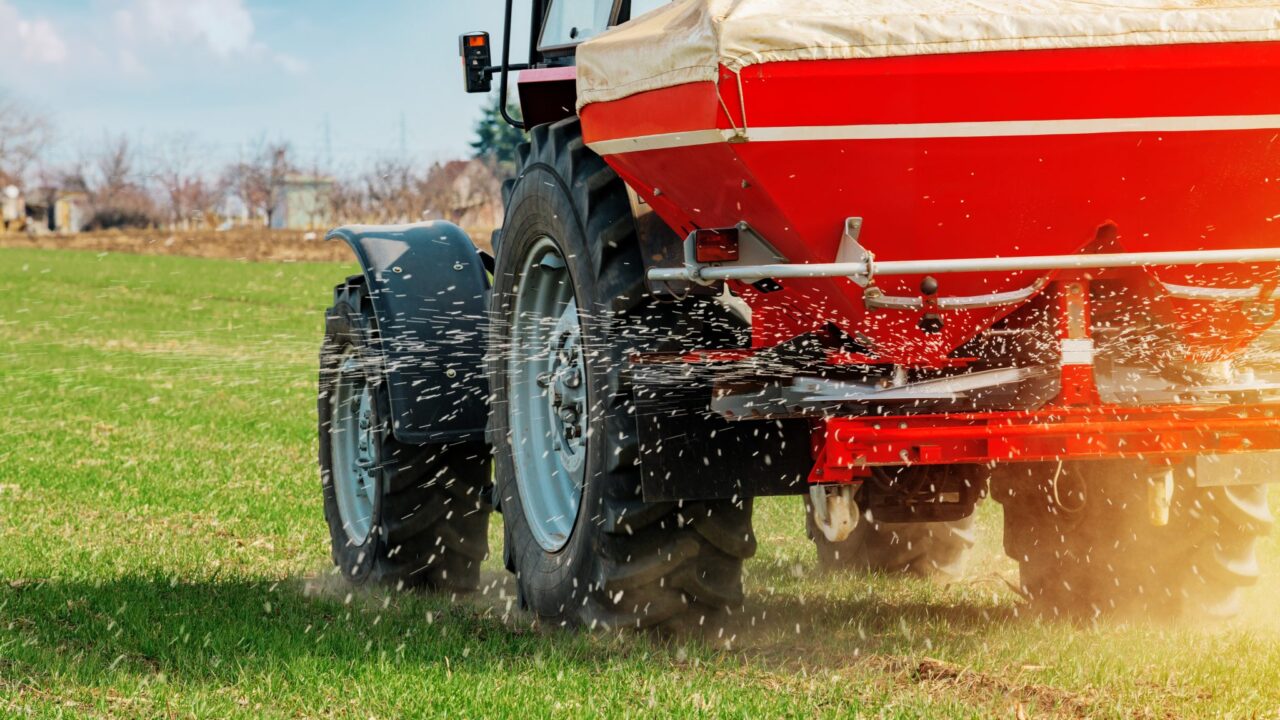
Human urine could be a better option for fertilising farmland when compared to inorganic fertilisers, according to a new study from a Dutch university.
Scientists from Wageningen University & Research recently conducted this study to find possible alternatives to inorganic fertilisers and animal manure, which both cause problems from an environmental and sustainability perspective.
Kimo van Dijk, senior researcher, explained: “Inorganic fertilisers are made from mineral resources with finite supplies and their production involves the use of natural gas, a fossil resource.
“Extracting and using these products causes environmental problems, including greenhouse gas emissions and the destruction of landscapes in mining – we need to put a halt to this.
“Livestock farming is responsible for high emissions of CO2 (carbon dioxide), methane, and nitrogen compounds and, to combat that, livestock numbers need to be reduced, which mean less manure,” he added.
Van Dijk also noted that European standards on the use of animal manure are getting more restrictive, which will force farmers to spread even more inorganic fertiliser on their land if alternatives are not found.
Alternative fertilisers
As part of the study, the scientists aimed to find alternative fertilisers that would be as effective as the existing ones that farmers are currently using.
“Farmers place high demands on the effectiveness, whereas the government is mainly concerned with safety and the environment,” van Dijk outlined.
The study identified 20 new fertilisers that satisfied both aspects of this criteria, with only one of them being already available to purchase by farmers.

The scientists trialled different fertilisers, including fertiliser granules from incinerated slurry ash and wastewater from a brewery and a french fries factory.
Van Dijk and his research team highlighted with their trials how these alternative fertilisers, such as industrial wastewater, can establish a more circular economy.
He said: “We decided to do this with potatoes to show how you can directly close the loop of fertiliser-soil-crop-food-fertiliser.
“The potato plants grow in soil with fertiliser, for example, water from food processing factories such as a potato processor; that completes the circle.”
However, van Dijk recognised that certain laws in The Netherlands are preventing farmers from using industrial wastewater to fertilise farmland.
“The problem is that the rules for products from industrial wastewater are just as strict as the rules for slurry from sewage treatment.
“The rules need to change, from a sustainability perspective; we have to find a happy medium, because there are far more kinds of contamination in sewage slurry than in slurry from the food processing industry,” he commented.
Urine
Throughout their trials, the scientists stated that human urine performed the best out of all the alternative fertilisers.
The urine used in these trials originated from a residential development in which the toilets separate out the urine from the excrement.
After treatment, this urine has no medicine residues and is safe to use, according to Wageningen University & Research.
Nitrogen from treated human urine was absorbed by crops up to 25% more effectively than nitrogen from conventional inorganic fertilisers.
Van Dijk argued that this uptake could be attributed to nitrogen in urine being more likely to stay in the soil, with less loss to the air and groundwater.
He also believes that these kind of toilets are set to become increasingly common in newly built homes and offices, as well as festivals, where the urine can then be treated thoroughly to remove medicine residues and drugs.
Looking ahead
Van Dijk hopes to continue to collect data as further evidence for which circular fertilisers have most the potential.
He added that the only aspect of the study that he cannot influence directly is people’s attitude to the use of their own treated urine or excrement for fertilising food crops.
“Many people think it’s a disgusting idea, even though human urine doesn’t smell of anything after treatment, for instance.
“What is more, we will need fertilisers like this badly in the future if we want to be able to cope with less animal manure and inorganic fertiliser.”