

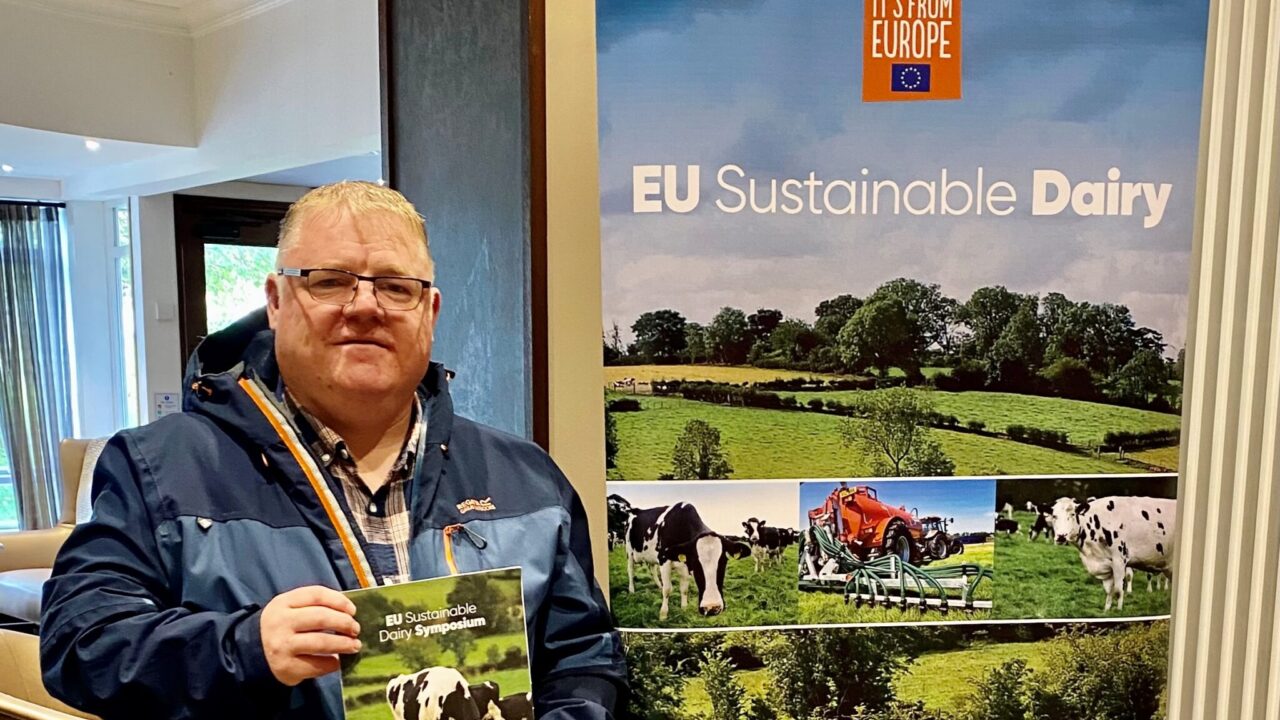
The vice chair of the Northern Ireland Agriculture, Environment and Rural Affairs (AERA) committee has welcomed the Assembly’s motion to support biomethane production from farm wastes.
Declan McAleer described the development in the Assembly as both timely and necessary amid ongoing pressures on farmers, rising energy costs, and the need to strengthen local energy security.
The West Tyrone MLA said: ”Biomethane represents a reliable, indigenous energy source, and anaerobic digestion offers a practical way to convert slurry, poultry litter, and food waste into a valuable strategic asset.
“This is particularly important following a prolonged period of wet weather, which has left slurry storage under considerable pressure.”
McAleer also stressed the potential economic benefits of biomethane production.
“We need to start viewing slurry and organic waste as a resource and an opportunity, not simply a by-product,” he said.
“We see clear benefits in biomethane reducing our reliance on imported fossil fuels, shielding households and businesses from global price volatility, and contributing to the achievement of decarbonisation targets.
“The circular nature of anaerobic digestion means nutrients can be returned to land, offering relief to farmers at a time when fertiliser prices remain around £700 per tonne.”
According to the Sinn Féin representative, biomethane has real potential to strengthen energy security, support food production and enhance environmental sustainability in a truly joined-up way.
He explained: “However, any expansion of the biomethane sector must be fair, regionally balanced, and supportive of smaller farms and rural communities.
“There must be robust rural and equality impact assessments, and we must avoid approaches that favour large corporate operators or create additional pressure on land use and silage supply.
“With the right safeguards and a stable, long-term support framework in place, I believe biomethane can deliver meaningful benefits for rural economies, environmental protection and local energy resilience across the north.”
Areas of Natural Constraint
Meanwhile, the agriculture committee vice chair has secured cross party-support at Stormont for his Areas of Natural Constraint (ANC) Private Members’ Bill.
The proposed legislation recently passed its second reading stage at the Northern Ireland Assembly.
McAleer commented: “In addition to the representatives of my own party, MLAs from the SDLP, the Ulster Unionist Party, Traditional Unionist Voice plus the Independent Unionist MLA, Claire Sugden, supported the second reading of the Bill.
“We now move on to the Committee stage.”
The proposed legislation sets out to re-instate ANC payments for farmers in Northern Ireland, which were discontinued back in 2018.
Stormont’s Agriculture, Environment and Rural Affairs (AERA) Committee will take evidence from stakeholders regarding the detail of the bill over the coming two months.