

The recent strengthening of fertiliser prices could boost world grain markets, a senior senior researcher has said.
Michael Haverty of the Andersons Centre, a UK-based farm business consultancy, explained: “If farmers decide to use less fertiliser on the back of its price point, then subsequent cereal yields could fall.
“And if market analysts take this perspective, then it is the actual uncertainty created, where future cereal supplies are concerned, that could lead to an increase in grain prices.
“It takes very small swings in actual production levels to have a very significant impact on food commodity markets.”
Meanwhile, food inflation figures in the UK could be heading for 10% well before the end of this year.
However, Haverty is indicating that a direct link between food inflation and farmgate prices can never be assumed.
International commodity markets drive the price received by farmers for their produce.
“It’s all about supply and demand,” he said.
“And, if dairy is taken as an example, there are significant volumes of milk being produced in the northern hemisphere at the present time.”
Agflation
According to the Andersons Centre representative, agricultural input inflation, or agflation has risen sharply since the onset of the Middle East conflict, with the organisation’s latest estimate in this regard coming in at 7.6% on an annual basis.
“This comes at a time when prices for agricultural outputs are falling, now 6.5% lower year-on-year,” Haverty said.
“This highlights a clear cost of farming squeeze that the sector is now facing.
“Agflation is now rising at its fastest rate since early 2022.”
Haverty noted that while levels remain below the peaks seen following the Ukraine invasion, continued disruption linked to the Middle East conflict “still presents challenges for input costs”.
“In contrast to 2022, when output prices rose alongside costs due to Black Sea supply disruption, current global grain and milk supplies remain ample,” he continued.
“As a result, output prices are subdued, intensifying profitability pressure faced by farmers.”
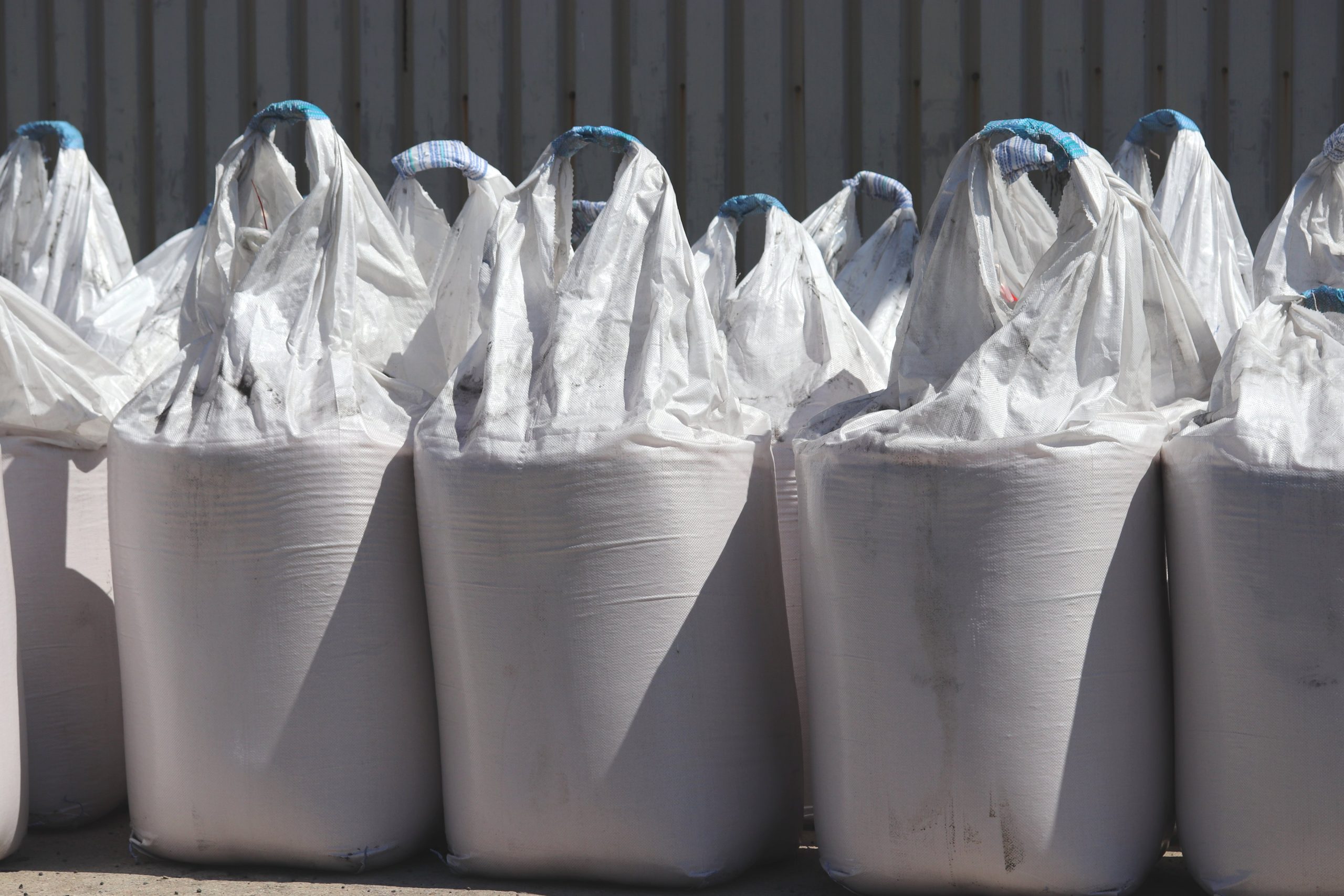
The Andersons Centre representative said that this is “especially evident” in fertiliser costs, as around 30% of global urea supply is constrained by the blockage of the Strait of Hormuz.
“In addition, the production of ammonium nitrate is closely linked with gas prices,” Haverty said.
“This has driven farm-gate nitrogen fertiliser prices to about £500/t where available.
“This presents immediate cost pressure, particularly for dairy systems with ongoing fertiliser demand through spring and summer.
“While most UK arable fertiliser has already been purchased, even with the temporary ceasefire announced on April 7, exposure remains for later applications globally, notably in India and Latin America.”