28,000 genotypes used in AHDB's new genomic breeding values

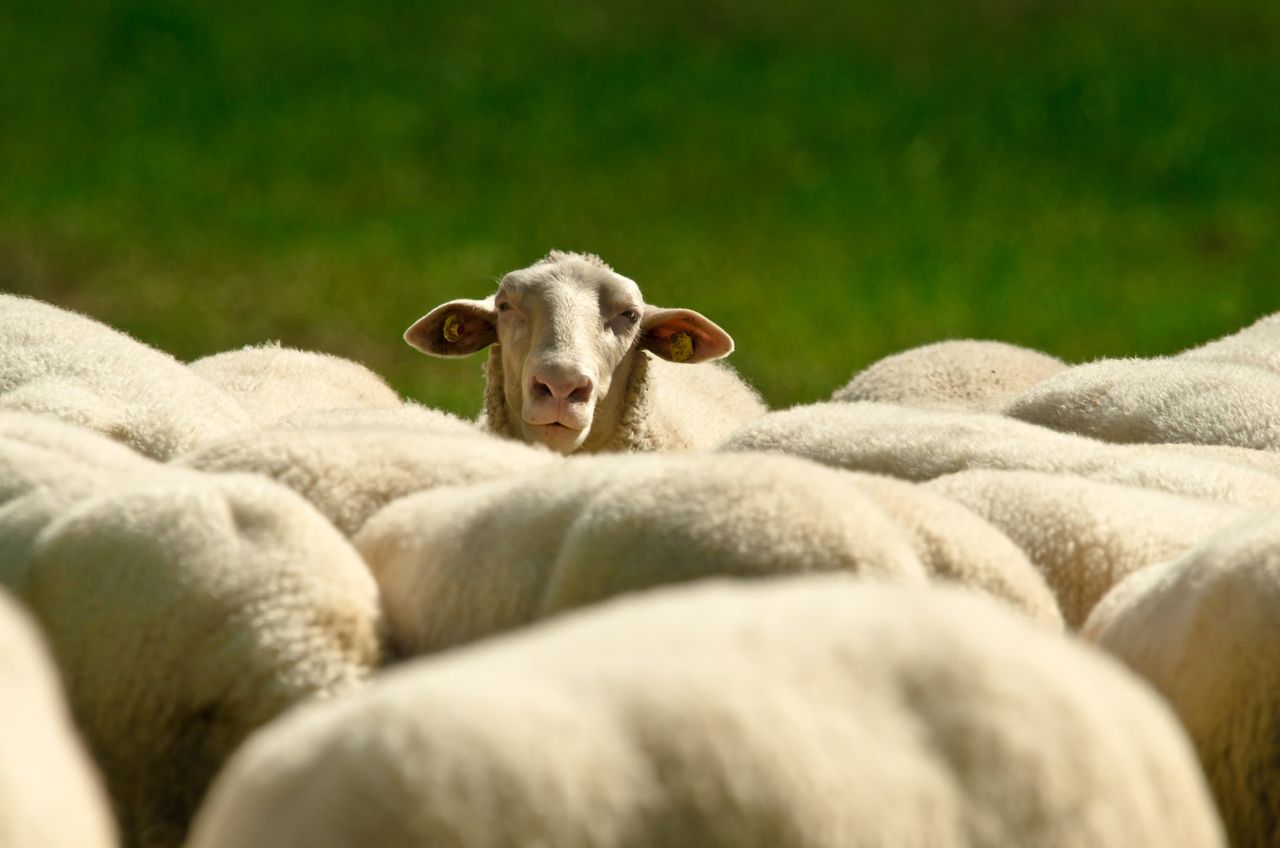
Sheep farmers can now predict the genetic background of their flock using the Agriculture and Horticulture Development Board (AHDB) Signet’s new genomic breeding values.
The new values will be available to Lleyn, Exlana, Wiltshire Horn, Romney, Easycare and Wool Shedding Composite sheep.
28,000 genotypes will be used to accelerate flock improvement by and provide a more accurate prediction of each animal’s genetic potential.
The values will be aimed at maternal breeds.
By combining DNA information with performance records, they provide a more accurate prediction of each animal’s genetic potential.
This will give breeders greater confidence when selecting replacements and breeding stock.
Genomic breeding values
This new launch extends from previous rollouts of genomic breeding values that introduced hill sheep in 2023 and terminal sire breeds in 2024.
Signet evaluates around 35,000 lambs from maternal breeds each year.
The maternal analysis also includes breeds such as the Bluefaced Leicester, Charmoise Hill and Roussin. Genotypes for these breeds are being collected to support possible future inclusion.
Genotypes are being generated following levy-funded work and collaborations with breeders, breed societies, and research programmes
These include Breed for CH4nge and the Welsh Sheep Genetics Programme.
Benefits
By combining DNA information with performance records, ADHB can provide more accurate prediction of each animal’s genetic potential.
This can give breeders more confidence when selecting replacements and breeding stock.
Genomic prediction will give farmers the chance to verify parentage, maintain pedigree accuracy and improve comparisons between flocks.
Prediction will be particularly useful for traits that are difficult, expensive or take a long time to measure, such as milk production and longevity.
According to AHDB senior animal breeding manager at Signet, Samuel Boon, genomic services go well beyond individual gene tests, such as those for scrapie resistance, by providing a more complete picture of an animal’s genetic potential.
“They should become a key part of breeding programmes seeking faster, more reliable genetic improvement.
“Being able to predict how a ram’s daughters will perform before they enter the breeding flock is a major advantage for maternal breeding programmes," Boon said.