Scale of European crop losses following 2026 drought confirmed

European crops yields fell across the board as a result of the drought this summer, with fields in some of the hardest-hit areas "abandoned".
That's according to Brussels’ Joint Research Centre (JRC), which has confirmed that crop production was pushed to very low levels as a result of the heat across the continent this summer.
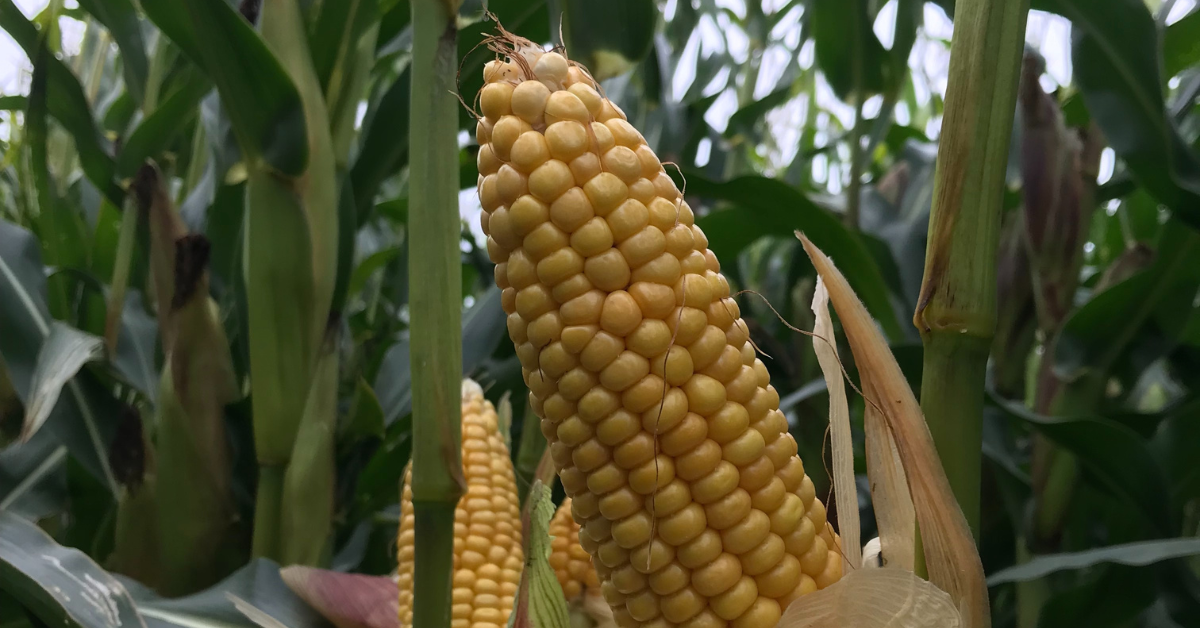
The scale of the crop losses incurred across Europe has been outlined by JRC, which described how the prolonged heat accelerated crop development, resulting in smaller and fewer grains, tubers and cobs.
At the same time, declining grassland and fodder availability put additional pressure on livestock farming.
The figures released by the European Commission point to a 15% reduction in soya bean yields, fresh forage maize output dropping by 14%, and grain maize yields down 8% on average figures.
Meanwhile, falls in potato and sugar beet output averaged 7% and 11% respectively.
Weather conditions
What started as a generally favourable growing season for 2026 changed rapidly during the exceptionally hot and dry summer.
This period saw an unusually high number of hot days, with temperatures rising above 35°C, and tropical nights when temperatures did not fall below 20°.
At the same time, severe rainfall deficits led to increasingly dry conditions and depleted soil moisture.
The heat accelerated crop development and ageing, meaning plants passed more quickly through critical stages of growth, such as flowering and grain filling.
Combined with limited water, this left crops less time and fewer resources to grow and form well-developed grains, tubers and cobs.
Impacts
JRC crop models show the scale of this acceleration.
In the worst‑affected areas, maize reached maturity up to three weeks earlier than usual in some areas.
In the most severely affected regions, crops aged and dried out prematurely, leading to major harvest losses and, in some cases, complete crop failure.
The timing of the extreme weather conditions made a crucial difference.
Winter crops had mostly finished growing before the most severe summer heat and drought struck, so their yields stayed close to the average for the past five years.
Summer crops, however, were still at critical stages of development and were therefore much more vulnerable to the extreme conditions.
But yield reductions represent only one aspect of the drought impacted harvest 2026.
The impact on total production is expected to be even greater.
In some of the hardest-hit areas, crops were so severely damaged that harvesting is no longer economically viable and fields have been abandoned.
As a result, production losses for several summer crops are expected to substantially exceed the reductions in yield alone.
Livestock farmers
Grasslands also experienced a sharp turnaround.
After a good start to the season, prolonged heat and low rainfall dried out soils and caused grass growth to decline rapidly across much of western and central Europe, coming to standstill in some regions.
At the same time, prospects for green maize, another important source of animal feed, worsened considerably.
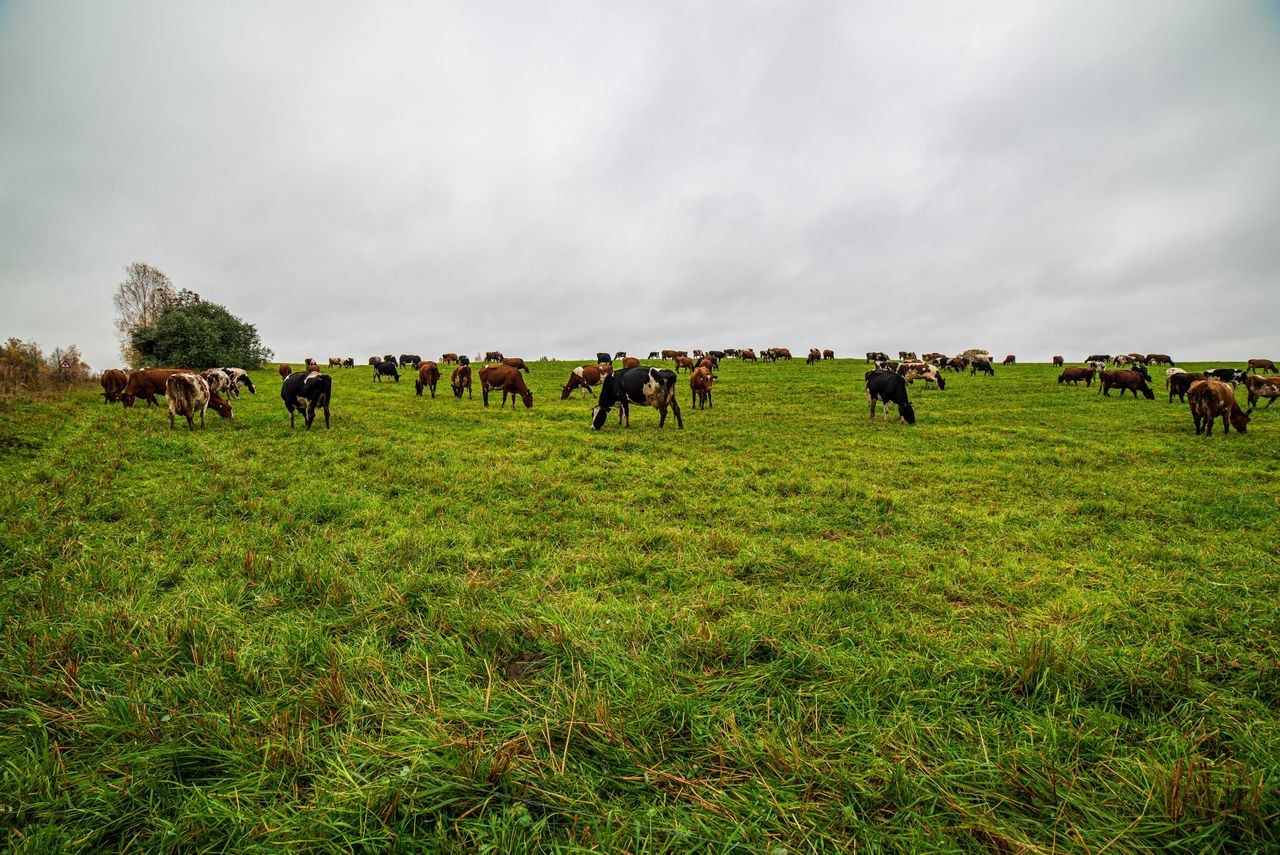
Livestock farmers faced pressure from several sides: less grass for animals to graze, less grass to harvest for winter feed and lower production of green maize.
Together, these losses substantially reduced the availability of animal feed in the most affected regions, leading some farmers to reduce their herds.