Survey predicts 350,000 BTV3 doses needed for 2027 flock health

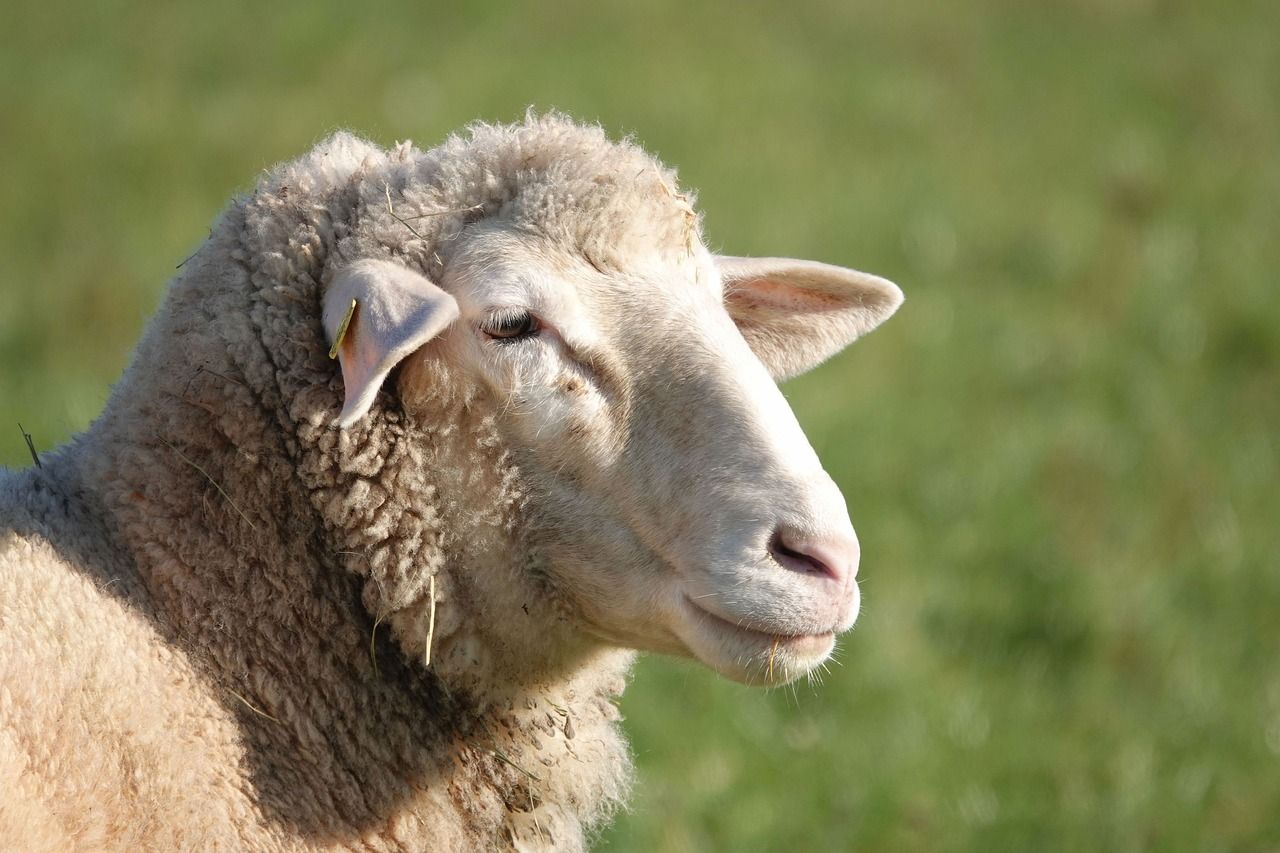
Approximately 350,000 doses of bluetongue serotype 3 (BTV3) vaccinations will be required to cover farmer demand in 2027, according to the National Sheep Association (NSA).
A survey carried out by the NSA shows that 65% of respondents plan on vaccinating their flock against BTV-3 in 2027.
In addition, 74% were open to ordering vaccines in advance through their vet.
In total, this would equate to approximately 350,000 doses, the NSA said.
The survey, gathered 1,400 responses from farmers around the country on vaccination and how they are planning on reducing the impact of bluetongue for next year’s season.
The findings come as bluetongue cases had nearly tripled this season, with 2,408 cases confirmed by the end of September 2026 compared to the 348 recorded during the 2025/2026 season.
Vaccination
The increase in demand for vaccines amid the current outbreak made it very hard to get a hold of them, according to the NSA.
The association stated 40% of farmers could not get a hold of vaccines during this season's bluetongue outbreak, which it said was causing "increased stress at an already difficult time".
The increasing amount of cases also changed how farmers buy and sell livestock, with 73% of farmers revealing that they would prefer to buy vaccinated sheep during flock replacement.
Vaccine use between 2025 and 2026 has now doubled among respondents.
However, the NSA said figures are best read as demand during an outbreak as figures could fall in a "quieter" year.
Benefits
The losses caused by bluetongue this year as well as the increase in demand for vaccinated livestock outlines the financial benefits in investing in vaccines
According to NSA chief executive, Phil Stocker, the survey highlights the necessary conversation needed between farmers and vets.
He said: “The supply chain for vaccines, from initial culture through vaccine being available on farm, is not immediate and typically takes several months.
"For farmers, vaccine planning must be treated as a routine part of the flock health plan."
According to NSA communications and marketing manager, James Saker the responses of the survey will prevent future outbreaks of this scale.
He said: “Thanks to the volume of responses, there is plenty of opportunity to dig deeper into the data and identify other trends.”