

The Agricultural and Horticultural Development Board (AHDB) has reviewed the impact the Middle East conflict is having on farm production costs in the UK.
The review delivers one clear outcome – all of the main agricultural input costs have risen considerably over the past four weeks.
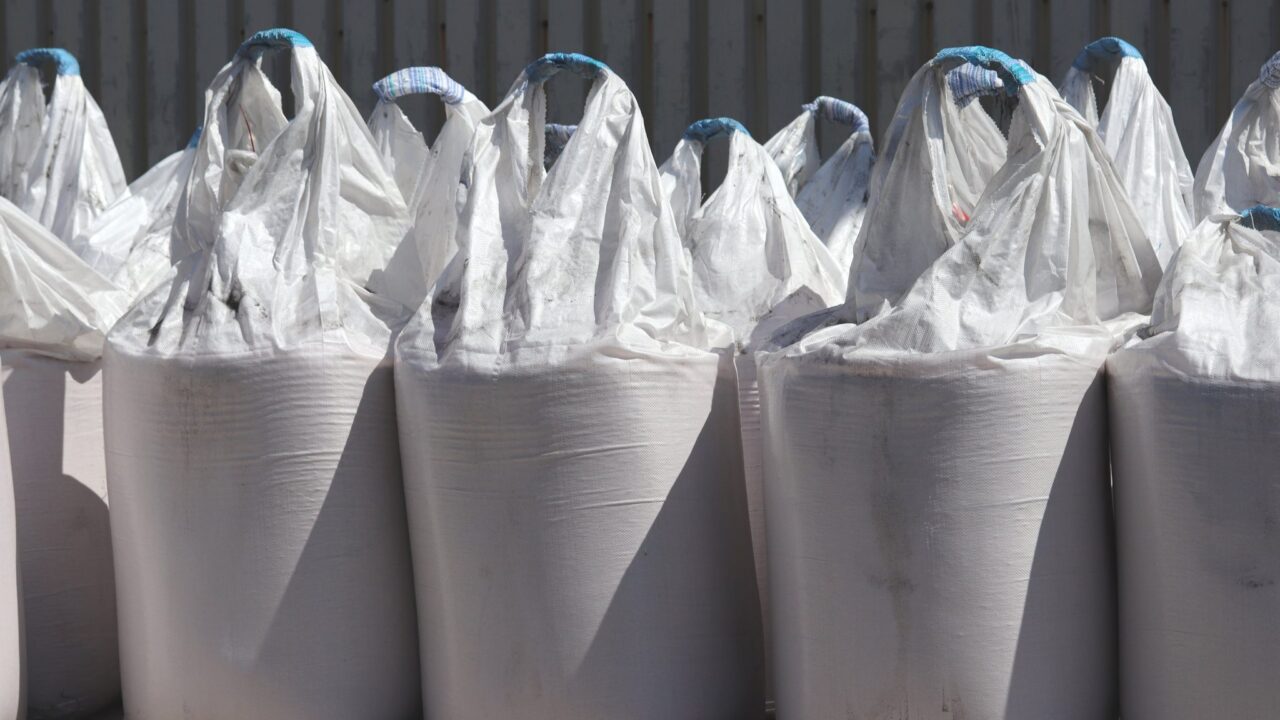
Fertiliser prices are impacted by rising gas prices, as gas makes up about 60% of costs in fertiliser production.
The UK also imports urea from the Middle East and North Africa, where shipping and distribution may be disturbed.
Fertiliser
According to AHDB, most arable/tillage farmers have bought fertiliser for this year; however the impacts will be felt by those who have not bought forward or as businesses start buying fertiliser for the next year.
Livestock farmers are more likely to buy fertiliser on the spot market due to storage constraints, so will be impacted by higher prices.
However, the potential of increasing fertiliser prices may impact on farm decision-making about planting intentions and the efficiency of application.
Meanwhile, oil prices remain high, sitting around the $100/barrel mark for most of the past week.
Continuing missile and drone strikes on refineries and plants in the Middle East have increased prices over the last couple of days to around $110/barrel.

In addition, oil shipments are being impacted by restrictions on ships passing through the Strait of Hormuz.
However, uncertainty, in terms of what will happen next, is the key factor that continues to keep oil prices at high levels.
The increasing oil price will impact farm business costs both directly and indirectly across fuel, heating oil, transport, plastic wrap, and agrochemicals, AHDB said.
Diesel
Moreover, the increase in diesel price will also affect haulage of both agricultural inputs and produce.
Anecdotal evidence shows that red diesel prices are increasing faster than white diesel prices. There are a number of reasons for this.
Since April 2022, restrictions on red diesel usage mean that a much smaller supply is produced and less stocks held in the UK.
This means it is bought in as needed and is more exposed to market volatility.
In addition, the duty on red diesel is much lower than forecourt diesel which means oil makes up a larger percentage of the total price driving higher proportionate increases.
Feed prices
The outlook for feed prices is less clear due to strong global stocks.
However, there is a possibility that feed markets may be impacted by increases in cereal and oilseed prices, as well as increased haulage costs.
Such a development would be felt most by feed-intensive sectors such as dairy and pigs.
Since the conflict began, grain prices have edged a little higher: there have been larger gains for oilseed prices.

Where farm finances are concerned, the Bank of England announced on 19 March that interest rates will remain at 3.75%.
The longevity of the conflict in the Middle East, along with the impacts on UK inflation, will ultimately determine the future impacts on interest rates.
Prolonged increased oil and gas prices would drive inflation and delay interest rates cuts, meaning the cost of borrowing stays higher for longer.
Delayed interest rate cuts could put pressure on capital finance, cash flow and investment.
Dairy prices
Meanwhile, dairy prices may increase in the short term due to increased demand for skimmed milk powder (SMP).
Iran is one of the top four exporters of SMP globally, so buyers are seeking alternative supplies.
Although prices are creeping up for dairy products, there may be long-term impacts to margins due to increased input costs.
The stronger crude oil prices make biodiesel, including that made from vegetable oils, more attractive.
And, finally, changes to futures prices for cereals and oilseeds could change spring planting intentions for arable farming businesses, but will require consideration on the relationship between output prices and key input costs such as fuel and fertiliser.
