Bird flu prevention zones lifted across Great Britain - Defra

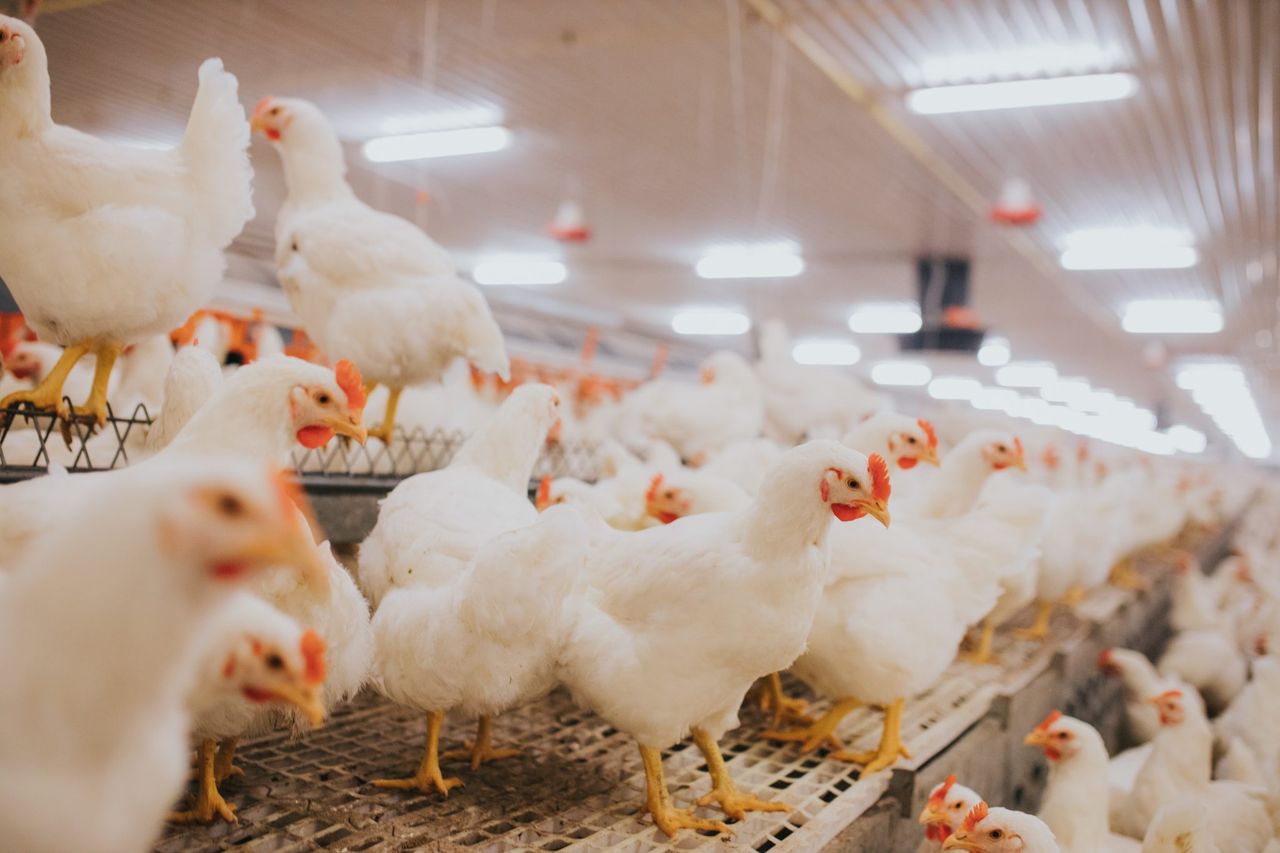
The Department for Environment, Food and Rural Affairs (Defra) has announced that the prevention zones for avian influenza, commonly known as bird flu, in place across Great Britain have been lifted as of noon today (Thursday, June 4).
Defra outlined that these measures were first introduced in England on December 13, 2024, with Scotland and Wales following suit in late January 2025.
The department lifted the prevention zones following its latest risk assessment, which reportedly showed that the risk of bird flu has "reduced" from medium to low.
While acknowledging that the risk has decreased in poultry and wild birds, Defra emphasised the importance of continued, "scrupulous biosecurity" on farms to prevent and stop the spread of diseases, such as bird flu.
England
Chief veterinary officer for the UK, Christine Middlemiss stated that now is the "right time to lift the prevention zones."
She explained: "[Today's announcement] has been possible because of the hard work of all bird keepers, who have upheld high biosecurity standards for many months.
" It remains vital that keepers remain vigilant and maintain high levels of biosecurity to keep flocks safe; low risk does not mean no risk."
The CVO issued the following security advice to all bird keepers:
- Cleanse and disinfect clothing, footwear, equipment and vehicles before and after contact with poultry and captive birds;
- Limit the movement of people, vehicles or equipment to and from areas where poultry and captive birds are kept, to minimise contamination from manure, slurry and other products, and ensure effective vermin control;
- Cleanse and disinfect poultry housing thoroughly "on a continuous basis";
- Keep fresh disinfectant at the right concentration at all farm and poultry housing entry and exit points;
- Minimise direct and indirect contact between poultry and captive birds and wild birds, including making sure all feed and water is not accessible to wild birds.
The department also reminded English poultry farmers, whose flock consists of at least 1,000 chickens, or 500 ducks, geese or turkeys, to consider applying for the Poultry Biosecurity Review (PBR).
Defra outlined that PBR is a "voluntary, time-limited grant offer" for farmers in England, which involves a vet-led biosecurity review of their poultry site that is focused on preventing and reducing the risk of avian influenza and other serious diseases.
Farmers who may be interested in the biosecurity review can find out more on Defra's website.
The department also urged farmers to continue to report any suspected cases of bird flu to the Defra Rural Services Helpline by dialling 03000 200 301.
Scotland and Wales
The CVOs for Scotland and Wales, Shelia Voas and Richard Irvine both commended the continued cooperation from poultry farmers in maintaining good biosecurity.
Voas commented: "We have decided to keep the restrictions on bird gatherings in place but have commissioned a risk assessment to be carried out.
"We will consider the results of this risk assessment and whether scientific evidence supports reducing the restrictions on bird gatherings in due course."
Irvine added: "Good hygiene practices are your first and most effective line of defence; vigilance and prompt reporting of any suspicion of disease also remain absolutely vital."
In Scotland, suspected cases of bird flu can be reported to the nearest Field Services Office, while Welsh poultry keepers can report potential outbreaks by dialling 0300 303 8268.