Eradicating BVD across island of Ireland ‘priority’ for stakeholders

The eradication of BVD remains the number one priority for Animal Health Ireland (AHI). And the clock is ticking.
The organisation’s chief executive, Patrick Donohoe, commented: “But this objective will only be met on the back of full co-operation being achieved across agriculture on an all-island basis.”
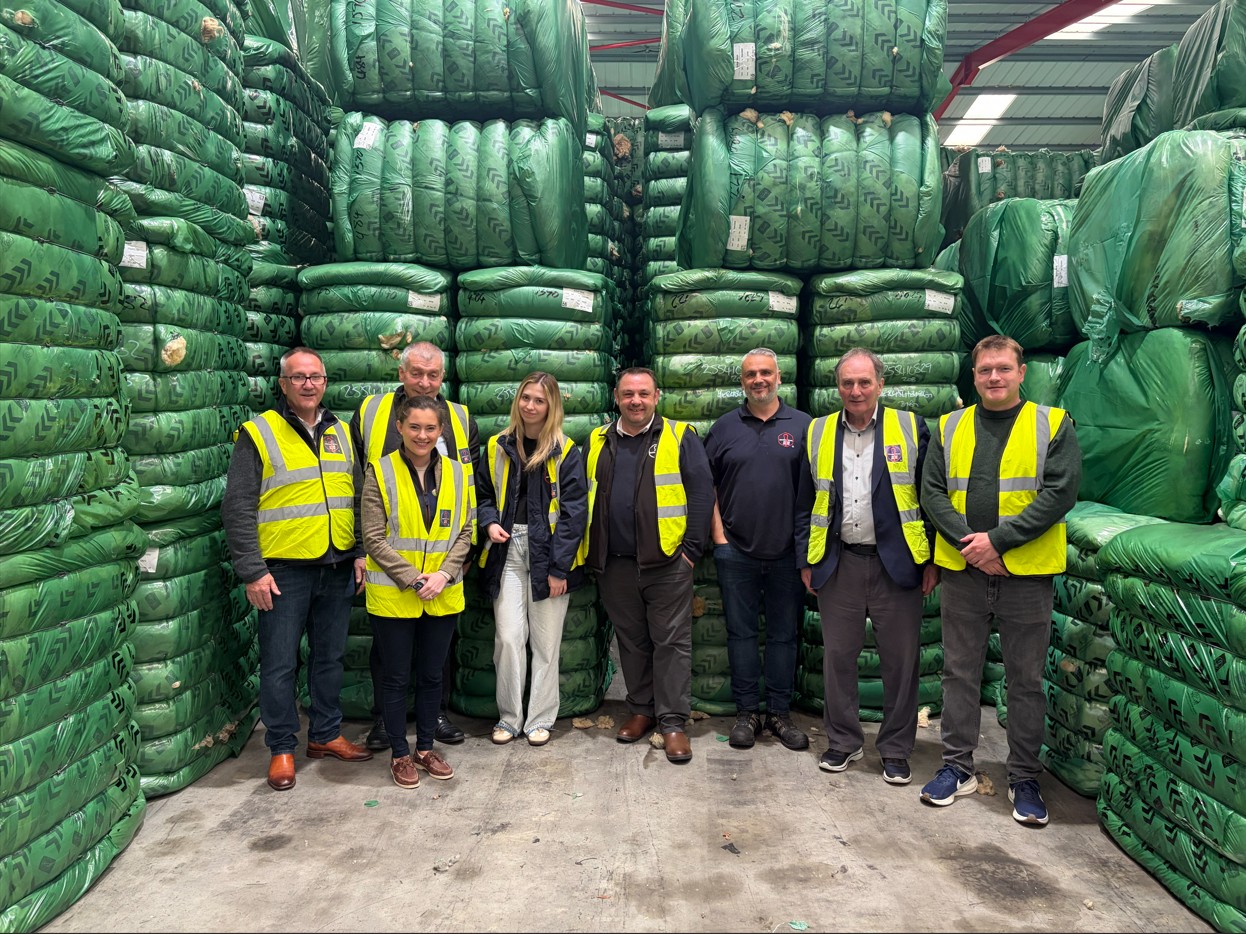
Donohoe made these comments while attending a cross-border meeting on BVD, hosted by Animal Health and Welfare Northern Ireland (AHWNI) in Keady, Co. Armagh, on Tuesday (May 26).
The venue had been chosen due to the fact that the border counties of Monaghan, Fermanagh and Armagh constitute a BVD hotspot area.
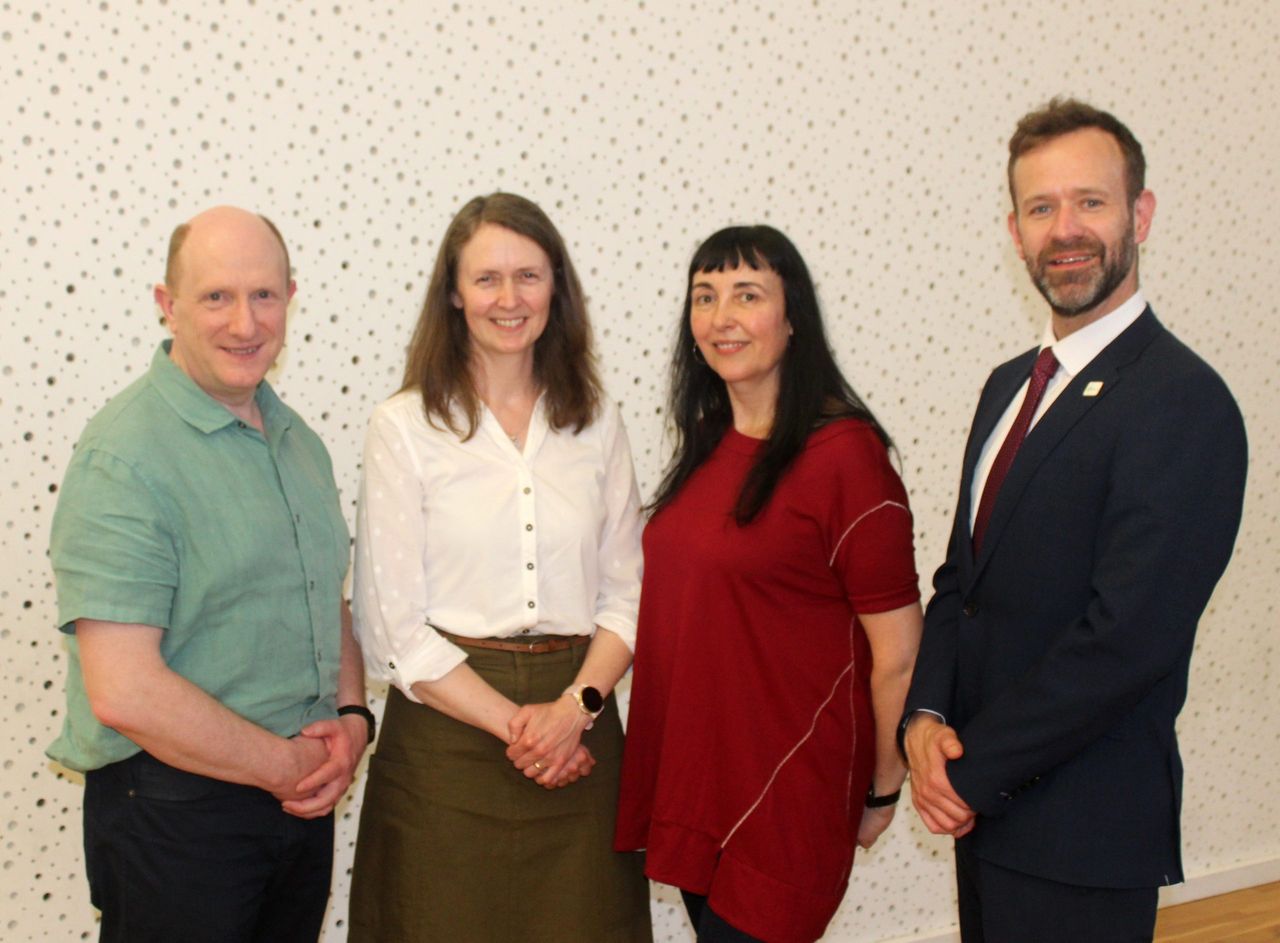
Irish Farmers Association (IFA) senior policy executive, Tom Bourke, also attended the meeting.
He said that the Irish government must make a realistic compensation scheme available for farmers losing BVD-infected calves.
“It is farmers with breeding cows that have paid the full price for the BVD programmes that has been implemented over the past 13 years,” Bourke said.
“And this figure comes in at €130 million when one adds up the cost of tags, tissue sampling, and laboratory testing.
“Meanwhile, beef finishers and other dry stock farmers have reaped the benefits that have been archived in securing such significant reductions in the scope of the disease up to this point.
“Farmers still find it difficult to deal with the challenge of culling a calf that looks like a perfect physical specimen on the back of a negative BVD test result.”
Ulster Farmers’ Union Animal Health Committee representative, Dessie Fulton also attended the Keady meeting.
He confirmed the priority of eradicating BVD on all-island basis, pointing to the key role that vaccinating all breeding stock against the disease can play in this context.
This is despite the opposition of the European Commission to vaccination when it comes to recognising the principle of ‘legislative freedom’ from the disease.
Animal freedom
However, the general consensus at the meeting reflected the need to secure absolute animal freedom from BVD as the current campaign’s number one priority with vaccination playing a key role in this context.
Irish Cattle and Sheep Association (ICSA) general secretary, Hugh Farrell also attended the Keady event.
He said that marts must do their part in helping to eradicate BVD, specifically where the sale of calves is concerned.
It was initially believed that BVD could be eradicated within a period of six years. This was a point referenced by IFA’s Tomas Bourke.
He said: “Up to now, it has been a case of over-promising and under-delivering.
“Getting the job done will require government delivering effective support to those farmers directly impacted by BVD.”