Welsh farmers facing 'increasingly severe financial squeeze' - FUW


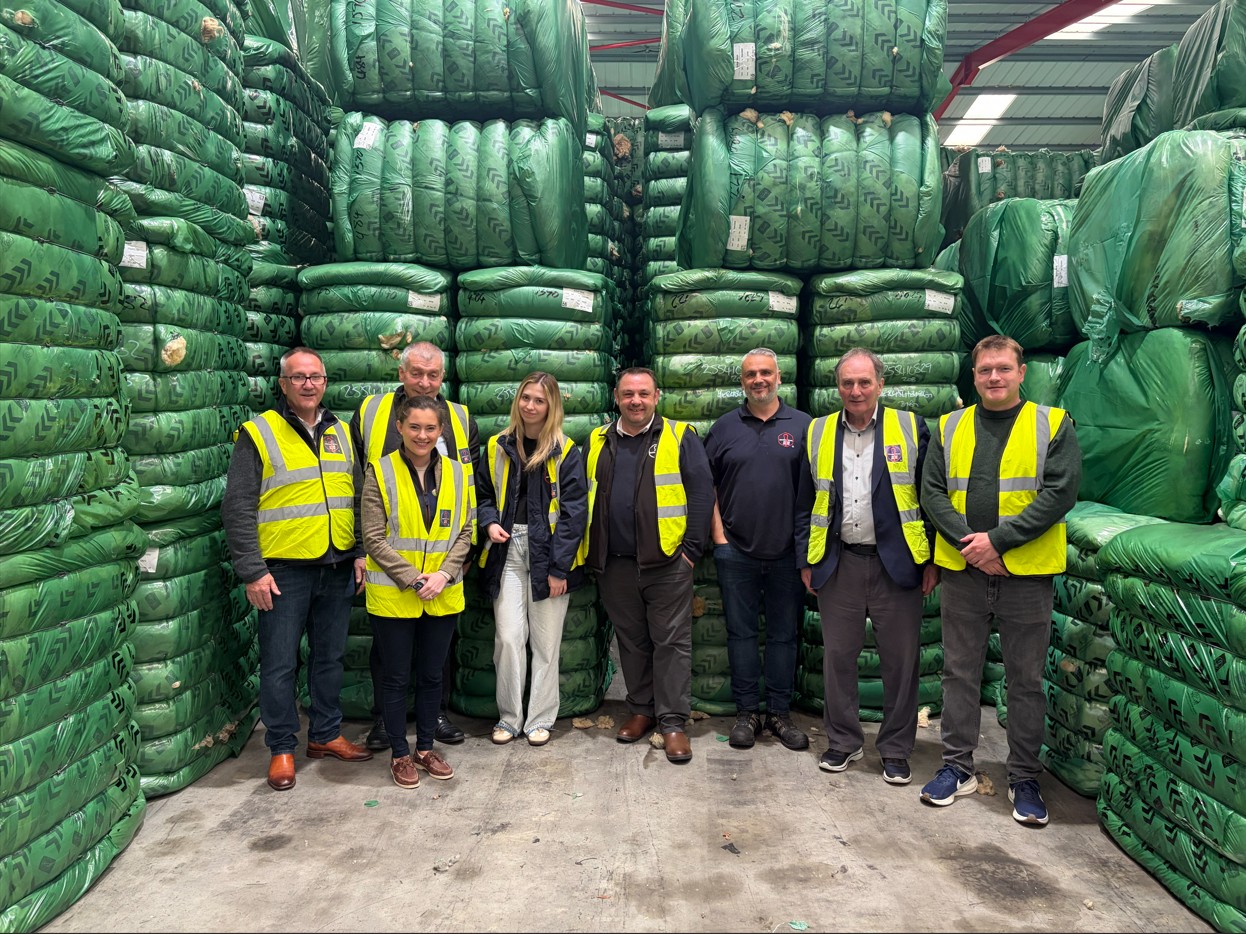
The Farmers' Union of Wales (FUW) has recently held discussions with major banking institutions to address the pressures currently facing the agricultural sector.
According to the FUW, Welsh farmers are currently experiencing "an increasingly severe financial squeeze", due to an extended slump in dairy markets and escalating geopolitical tensions in the Middle East, with no end in sight.
In response to these challenges, FUW met with epresentatives from HSBC and NatWest to explore what support mechanisms may be available to help farm businesses.
Discussions have focused on maintaining open communication with farmers and ensuring flexibility around lending arrangements, overdrafts and cashflow support "during this exceptionally difficult period", the FUW said.
The union urged farmers who may be experiencing financial pressure to "engage proactively" with their banks, accountants and advisers.

Commenting on the current situation, FUW president Ian Rickman said: “Welsh farmers are currently facing a perfect storm of international instability and soaring input costs.
"The sharp increases we are seeing in fertiliser and fuel costs are placing enormous pressure on farm businesses at a time when many dairy farmers are already producing milk below the cost of production.
“These challenges are completely outside farmers’ control, yet they are having a direct and immediate impact on the viability of family farms and rural communities across Wales."
Rickman also asserted that recent discussions with major lenders had been "constructive" and that the banks "recognise the exceptional circumstances currently affecting the agricultural sector"
"Flexibility and understanding will be crucial in helping viable farm businesses navigate this period of uncertainty," he said.
Dairy producers' plight
These mounting pressures come at a time when many dairy farmers are already struggling with persistently low milk prices.
Previous research conducted by FUW showed a drastic reduction in milk prices since September 2025, leaving many producers operating well below the cost of production.
The situation is expected to intensify further as the spring flush approaches, bringing with it increased milk production volumes that traditionally place additional downward pressure on prices.
According to FUW, for many Welsh dairy farms, the "combination of volatile global markets, rising operating costs and weak returns is creating growing uncertainty around their financial viability in the months ahead".
Middle East tensions
Concerns have been raised regarding the security of the Strait of Hormuz since the outbreak of conflict in the Middle East earlier this year.
The Strait of Hormuz is a vital global shipping route. In 2025, 20 million barrels of crude oil and oil products were shipped through the Strait.
While the security issues of the Strait are well associated with the oil price hike earlier this year, they also contributed to a sharp rise in the cost of fertiliser.
Fertiliser prices have risen by as much as 53% compared with pre-conflict levels, while red diesel has effectively doubled in cost in that time.
FUW noted that recent analysis from the Central Association of Agricultural Valuers (CAAV) warns that tightening global oil markets could reach a tipping point in early June.
Trade operated in the Strait of Hormuz is expected to remain slowed through 2026, potentially leading to further future financial pressures.