Report: Women make up 35% of food manufacturing workforce in Ireland and UK

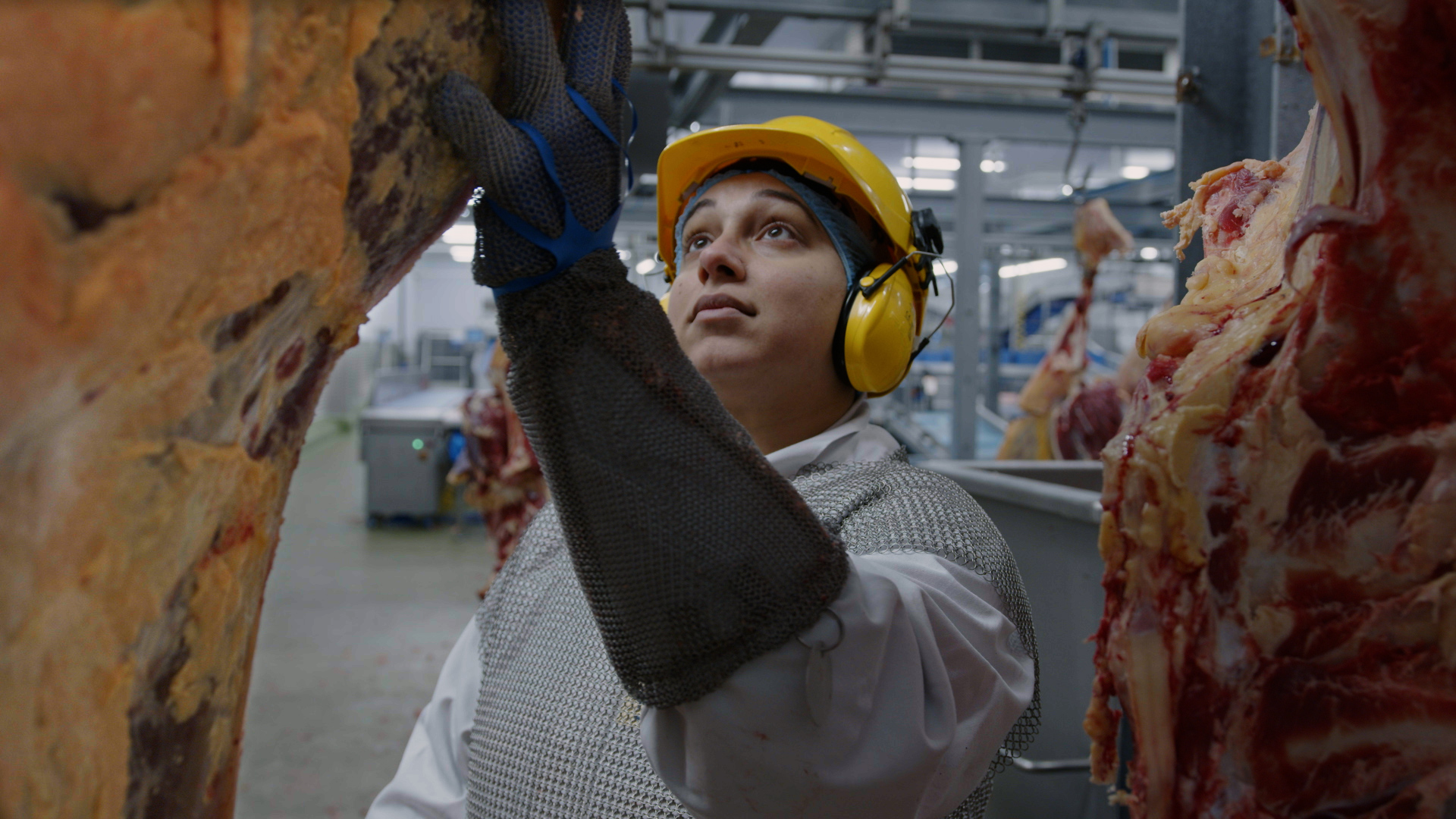
Across the global food manufacturing industry, women represent 34% of the workforce, according to a new report.
However, in meat and poultry, the figure is lower at 32%, according to new research published this week by Meat Business Women (MBW).
The challenge is not uniform across the industry with progress inconsistent across regions, MBW said.
In the UK and Ireland, women make up 35% of the workforce in food manufacturing and 33% in the meat sector, the report shows.
In Australia and New Zealand, representation is slightly lower, with women accounting for 31% of employees in both food manufacturing and meat.
MBW
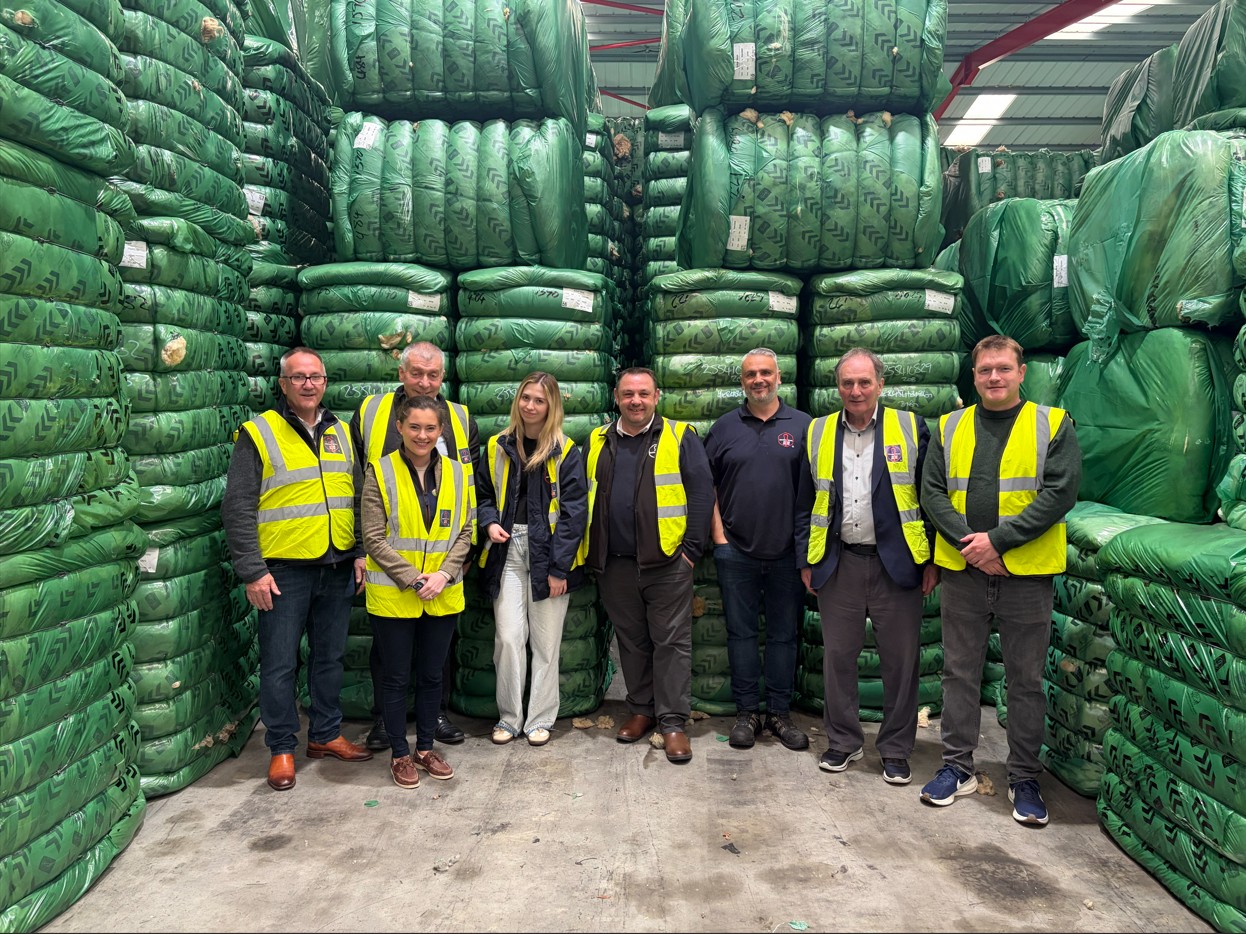
MBW is the global professional network for women working across the meat industry.
According to its new report, Gender Representation in the Food Manufacturing Industry 2026, gender representation across the industry is “improving, but uneven progress is the real risk”.
“There are signs of real momentum,” the report said.
“Across the organisations contributing data, more than a quarter of participating organisations have already reached the Food Business Charter ambition of 40% female representation by 2035.”
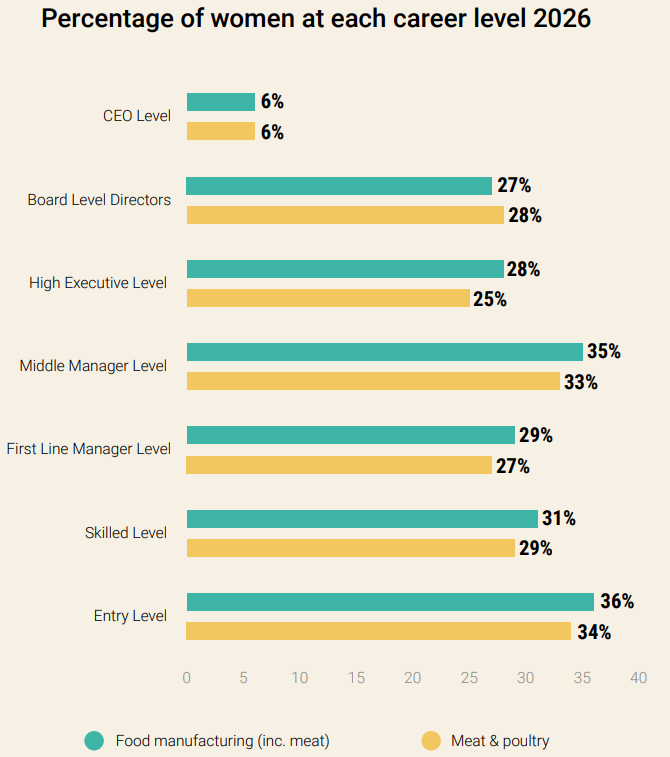
Organisations are “perceived more positively” too.
“Compared with MBW’s 2020 and 2023 global reports, employees point to stronger workplace cultures, fairer performance processes, better access to networks and sponsorship, and clearer signals that organisations are taking inclusion seriously, alongside fewer everyday barriers,” the report said.
“There is significant progress to recognise; however, averages only tell part of the story.”
‘Wide divide’
The data reveals a “wide divide” between organisations and business units.
“In leading food manufacturing organisations, women make up 46% of the workforce, compared with 26% in lagging organisations,” according to the report.
“The gap is equally visible in the leadership pipeline, where women hold 40% of first-line manager roles in leading organisations, compared with a quarter in those where progress has been slower.”
MBW said the meat industry faces a “deeper structural challenge”.
“The divide between organisations is striking,” it said.
“In leading meat businesses, women make up 42% of the workforce, compared with 26% in lagging organisations.
“The gap widens further down the leadership pipeline, where women hold 38% of first-line manager roles in leading companies, compared with 24% in those where progress has been slower.”
Flexibility a ‘strategic issue’
The research showed that flexibility is more likely to be identified as a “major or significant barrier” by women aged 26-45.
“When flexibility limits this group, the industry loses talent at a critical career stage, when future leaders are being developed, creating long-term capability gaps,” the report said.
“Although men face flexibility barriers too, women experience these constraints more intensely across the age groups where progression typically accelerates.”
Reaching the Food Business Charter ambition of 40% female representation by 2035 requires a combined approach, growing representation across the industry while fixing the points where progression breaks, MBW said.
“Both must happen together to create a sustainable leadership pipeline,” the report states.
“In practical terms, achieving this ambition means the industry needs to deliver the equivalent of a 0.6% annual increase in women entering and staying in the workforce year-on-year until 2035.”
This must be done while also removing barriers at key career transitions so women progress at the same rate as men, MBW stressed.