Ewe nutrition: How BCS impacts milk quality and lamb size

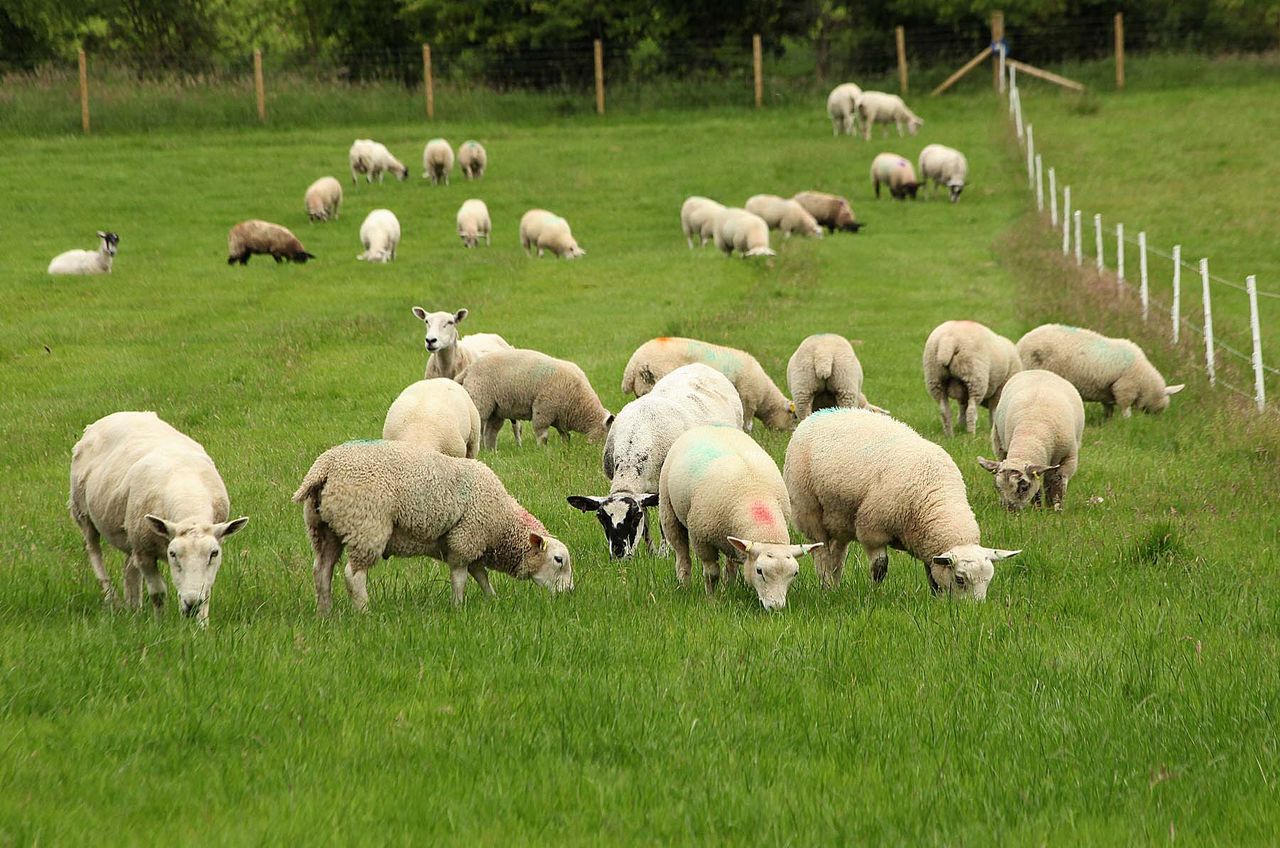
Body condition score (BCS) is the all-important arbiter of ewe productivity, according to sheep specialist, Dr. Nerys Wright.
BCS is defined as the level of fat cover deposited between the skin and along the spine and transverse processes.
It is usually measured using a scale from one (emanciated) to five (obese).
Speaking at Flock Focus 2026, hosted by AgriSearch in Co. Tyrone, Wright further explained:
“Extremes of condition score can be assessed by the naked eye. But in all other instances, it’s a case of physically handling animals.
“BCS can only be measured if the animal is standing still on all fours and the hand applied to the same part of the body on all occasions.
“Assessing BCS values is a subjective process. However, meaningful results will be achieved with experience.
“Extreme BCS values, in other words below two and above four, are to be avoided at all times.”
Body condition score
Body condition score values reflect the nutritional stores that a ewe can access within her own body at any time.
Significantly, research has confirmed that BCS values correlate with many of the key performance criteria expected of a breeding ewe.
These included colostrum quality, her ability to produce high quality milk over a consistent period of time, and lambs’ eight-week weight figures.

Wright said: “For lowland ewes, BCS values should be maintained at a level of 3.5 from tupping through to lambing.
“The figure can drop by half a value point for hill flocks.”
She explained that the ewe’s energy requirements are at their highest while she is rearing her lambs.
“This reflects the fact that she is producing milk. And flock nutritional strategies should be developed to reflect this priority.”
Invariably ewes will lose BCS in the run up to weaning. But it is vitally important that the value is brought back up to 3.5 (again for lowland sheep) at tupping.
“This can be achieved on good grass over a period of between six and eight weeks after weaning,” Wright said.
“If needed, additional supplements can be offered to ensure this value is achieved.
“If this is not the case at tupping, then litter size and lamb weights will be negatively impacted as the ewe enters her next breeding cycle.”
The sheep specialist recommended that ewes be body condition scored on a regular basis.
"But the information must be used effectively if it is to have an impact on overall flock performance," Wright added.