‘Iceberg diseases’ impacting on overall sheep productivity

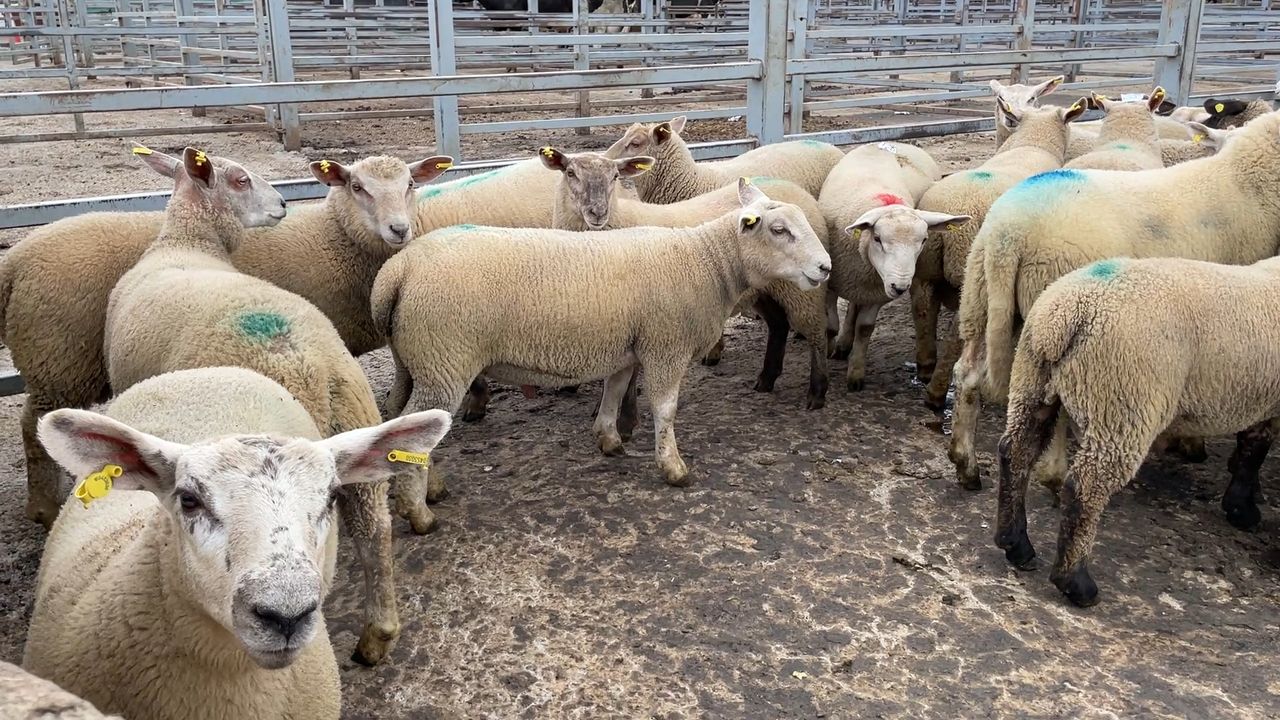
"Iceberg diseases" are contributing significantly to reductions in flock productivity, a sheep veterinarian has said.
Phillipa Page, who is a former president of the Sheep Veterinary Society, said this is particularly the case when ewe mortality rates climb above 3% per annum.
She continued: “Sustainable sheep production is all about setting targets.
"For example, getting lameness levels below 1% per annum is one of these: another is keeping ewe mortality below 3%."
Iceberg diseases
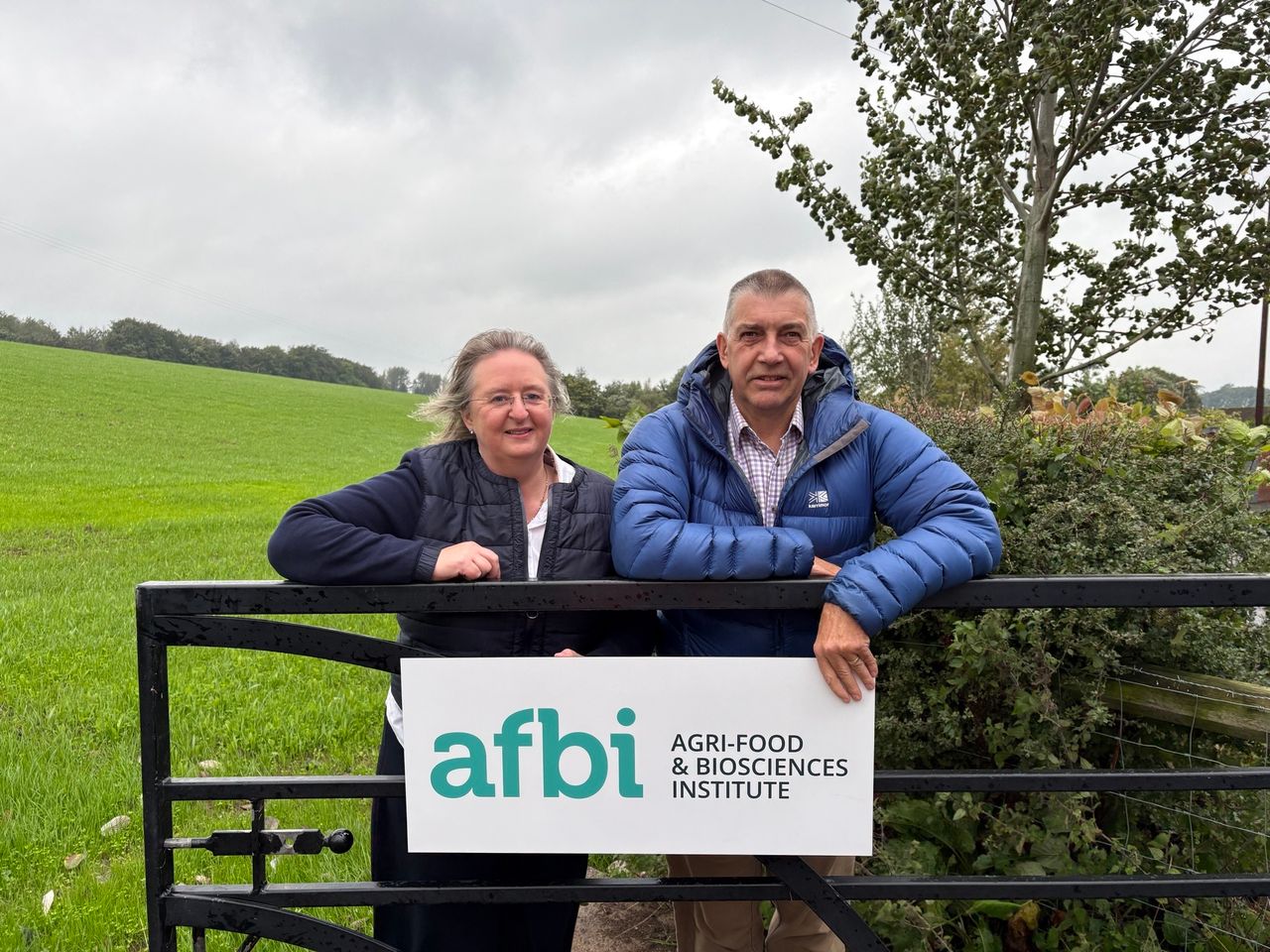
Page made the comment while speaking at the AgriSearch Flock Focus 2026 event in Co. Tyrone.
The Cotswolds-based veterinarian described iceberg diseases as conditions that will add to the impact of other health-related issues, including lameness and poor body condition scores.
They include the likes of Maedi Visna, caseous lymphadenitis (CLA), Johne’s disease, and Border disease virus.
Page said: “These are mostly bought-in diseases, which can be screened for.
“Making a marginal improvement across a range of management issues on an annual basis represents the way forward for all sheep enterprises.
“But it’s an approach that can make a very significant and positive difference over a period of time.”
Lameness
Where lameness is concerned, Page confirmed that factors including foot rot and Contagious Ovine Digital Dermatitis (CODD) are significant, contributory factors.
She commented: “Lameness is an issue that must be tackled promptly.
"And if proprietary antibiotics are needed to address the problem, so be it.
“But the long-term plan must be to prevent the problem from arising in the first place.”
Significantly, the veterinarian believes that foot bathing should not be used as a means of treating foot rot: certainly where older ewes are concerned.
“The process of gathering ewes together in one place hastens the spread of conditions, such as foot rot.
“Animals with lameness issues should be kept away from flock mates, if at all possible.
"The active chemicals used in foot bath solutions should be regarded as forms of disinfectant: nothing more than that," she said.
Faecal egg counting
Another management priority cited by Page centres on the benefits to be gleaned by faecal egg counting after sheep have been drenched for worms.
She explained: “This process allows the flock-owner to discern the levels of wormer resistance within the flock.
“As a rule of thumb, older ewes should have a built-in resistance to worm burdens. And so the question arises: do these animals need drenched in the first place?"
Page also stressed the importance of checking animals’ cheek or molar teeth when determining their ability to thrive and meet their performance targets.
“Animal with properly functioning molar teeth will be able to properly grind down the forages and other feeds offered to them," the sheep veterinarian said.