NI: First bluetongue cases this season detected in Co. Down

Farmers are on alert after the detection of bluetongue virus (BTV-3) in three sheep on a farm in County Down, Northern Ireland.
Confirming the first cases of BTV-3 this season, Minister of Agriculture, Environment and Rural Affairs (DAERA) in Northern Ireland, Andrew Muir, said: "It is not unexpected, given the spread of BTV-3 across Great Britain and Ireland this season".
"Continued vigilance and strict biosecurity measures remain of paramount importance, and I would once again urge all farmers to report any suspicion of disease to DAERA," he said.
“It is important that I reiterate that bluetongue poses no threat to public health nor to food safety – milk and meat are safe to consume.”
Chief veterinary officer, Brian Dooher, added: “I would encourage farmers to be extra vigilant for any signs of the virus in their flocks or herds and report any suspect cases to DAERA".
"As BTV-3 was [previously] confirmed in Northern Ireland in November 2025, further disease control measures such as movement restrictions and disease control zones will not be applied in response to this case," he said.
Dooher explained that active surveillance was ongoing at abattoirs, along with "post-import testing of susceptible animals imported from mainland EU countries".
He further stressed the importance of safe and responsible sourcing of animals.
Ireland
Agriland previously reported that just over 100 cases of bluetongue virus had been detected across 17 counties in Ireland.
The latest update from the Department of Agriculture, Food and the Marine, said these included 94 cases in cattle (bovine cases) and seven in sheep (ovine cases).
It was also reported that only about half of Ireland's mature breeding herds and flocks had been vaccinated against bluetongue virus.
This was according to the chairperson of the Irish Creamery Milk Suppliers Association's livestock committee, Michael O'Connell, who urged farmers to be "proactively vigilant in the face of a concerning rise in the number of cases".
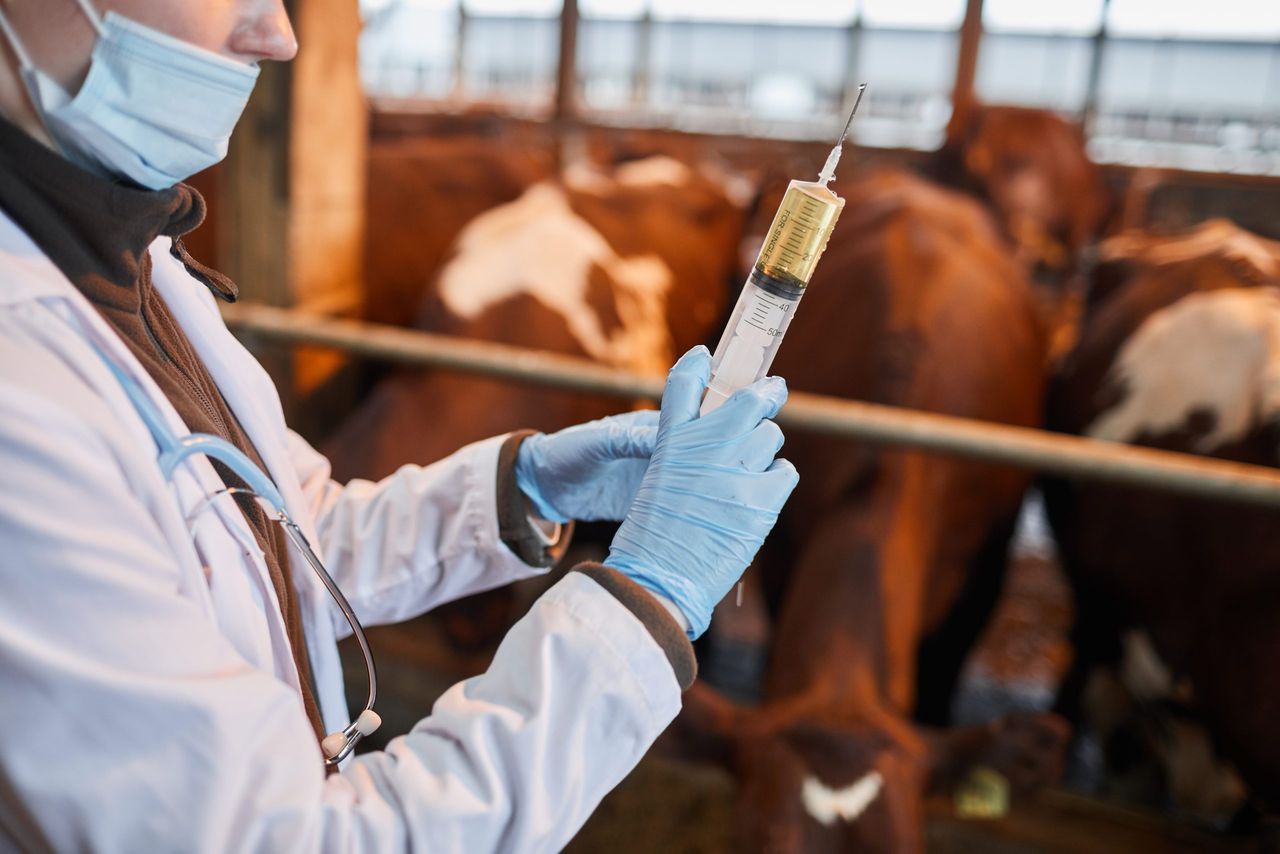
Agriland further reported that some four million doses of BTV-3 (bluetongue) vaccines had been supplied to private veterinary practitioners in Ireland as of late October.
O'Connell stressed that this figure was "a long way from fulfilling the needs of all breeding stock whether it be bovine or ovine".
"Based on the latest Central Statistics Office figures, the number of dairy cows and suckler cows stood at 2.45 million cows, while breeding ewes stood at 2.7 million," he said.