Project on women-led food practices to aid climate resilience

A new project at the University of East Anglia (UEA), is using food heritage among women in the south Atlantic to tackle issues affecting climate change and food security.
The £1.3 million project is being funded by a European Research Council (ERC) Starting Grant.
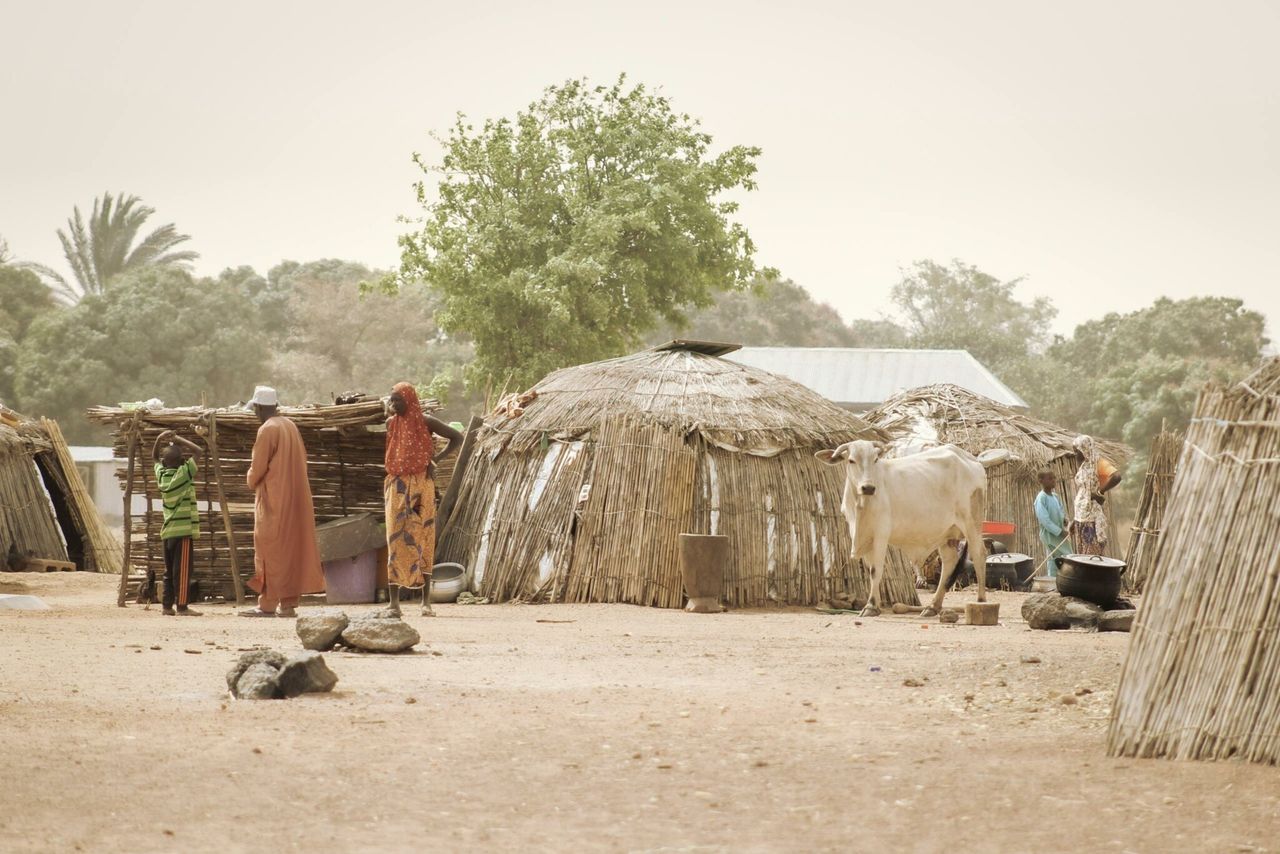
Over the course of five years, the project will trace food practices shared by communities in The Gambia and Afro-Colombia, which were separated by the slave trade during the 16th century.
Researchers will examine the knowledge that has been passed down across generations of women and use it to tackle modern day challenges affecting food security.
Both nutritional science and women's knowledge will work side by side to build food security policy from the ground up, one that could be applied well beyond the project’s two field sites.
The team will produce the first freely available dataset of heritage dishes, combining laboratory nutritional analysis with detailed recording of taste, preparation methods, and the ecological knowledge behind them.
The answer to food security
The project will look at how how these food customs persist in the modern world, the spread of industrial food, and deep-rooted gender inequality.
According to project leader Dr. Paola Vargas Arana, knowledge that has been passed down through generations is "rarely treated as evidence when decisions are made about food security and climate resilience".
"This project asks why, and what it can contribute.”
The researcher from UEA’s School of Global Development highlights that food heritage is not just a cultural artefact but the infrastructure of food security in vulnerable communities.
"If food policy is to be effective, it must account for the knowledge these communities already hold.”
She said that women have developed deep knowledge about food, agriculture, nutrition and ecological adaptation across generations.
Food heritage
The project builds on Dr. Vargas Arana's book which shows how upper Guinea women created farming and food practices that helped keep the colonial mining economy running.
The book found that 71% of enslaved people brought to Antioquia’s gold mines in the 16th century came from the upper Guinea Coast.
The marginalised diet of enslaved African women remains the basis of Colombia’s staple diet today.
Women in both regions continue to cultivate medicinal and seasoning gardens, prepare rice-based dishes and wrap foods in banana leaves, maintaining striking parallels despite centuries of geographical separation.