Forage maize varieties to be formally defined by maturity

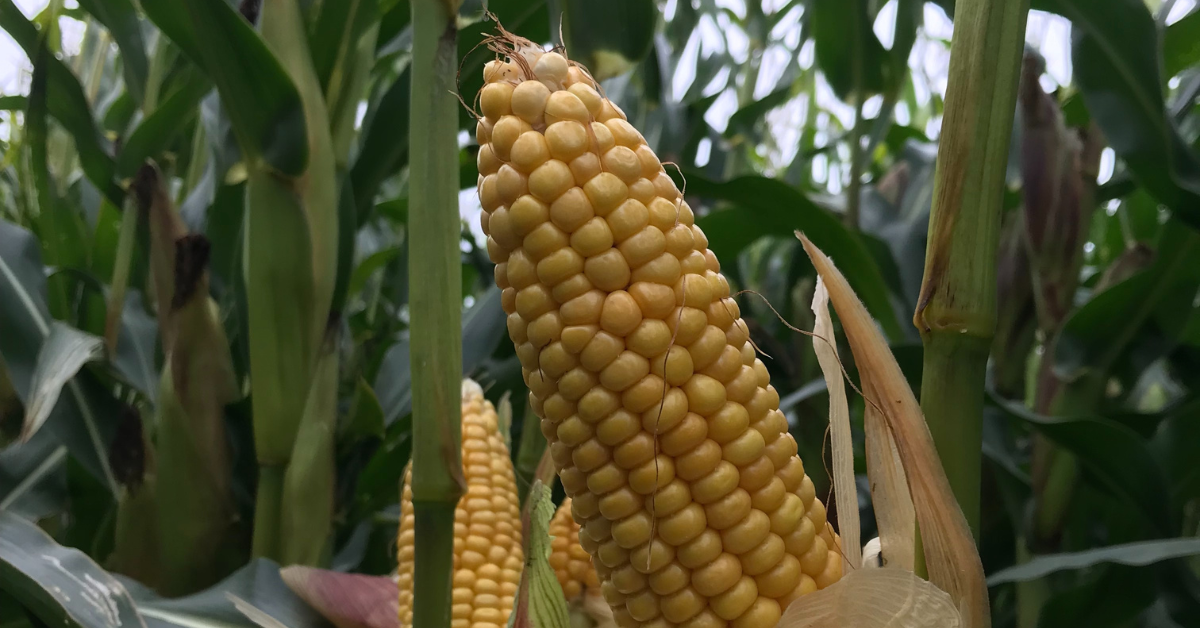
The British Society of Plant Breeders (BSPB) has introduced a new approach to its forage maize descriptive lists.
Up until now, maize varieties have been classified according to favourable, very favourable, and less favourable sites.
From now on, varieties will be classified in term of their maturity:
- Short-mid season - first choice;
- Short-mid season - second choice;
- Mid-long season - first choice;
- Mid-long season - second choice.
There is a small overlap between the short-mid and mid-long season lists to help growers compare varieties around the boundaries of each maturity group.
The change follows a review of the BSPB maize trial programme, which considered how consistently trial sites could be classified according to growing conditions.
Revision
Increasingly variable weather in recent years has highlighted the difficulty of defining sites simply as favourable or less favourable, with conditions varying significantly between seasons and influencing trial performance.
Rather than attempting to predict performance from a site's classification, the revised approach analyses variety performance across all conditions and the full network of 13 BSPB trials.
This provides a more robust indication of how varieties are likely to perform across the wide range of growing conditions experienced by UK maize growers.
For growers, the new format provides a clearer starting point for variety selection, allowing them to first consider the maturity required for their farm and target harvest date, and then compare the performance of first and second choice varieties within that maturity group.
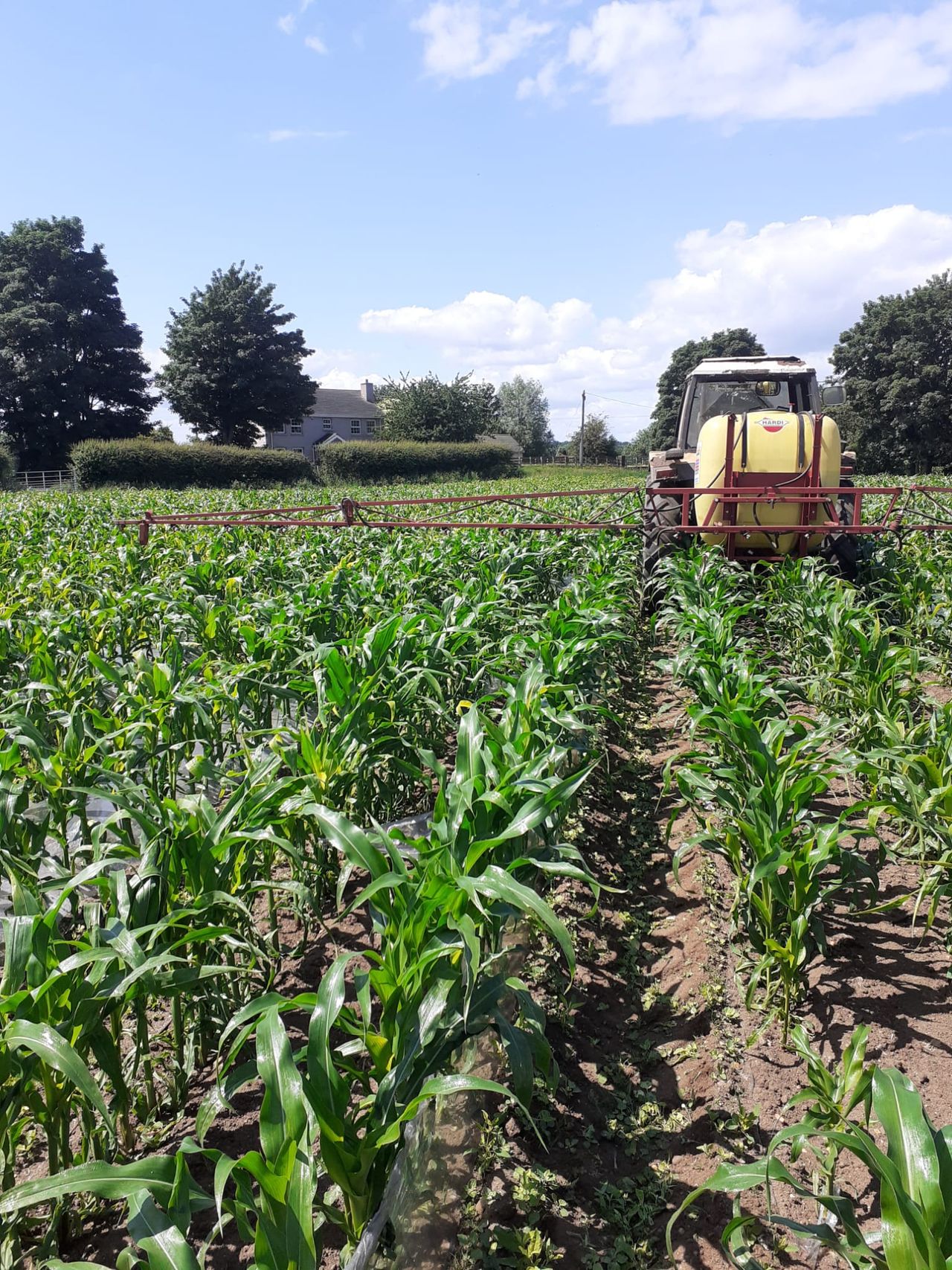
Over the past decade, forage maize dry matter yields in the BSPB trials have increased by more than 2t/ha, while starch content has increased by an average of 2.7 percentage points and metabolisable energy (ME) concentration by almost 0.5 MJ/kg.
Ellie Roberts, Niab Forage crop specialist and maize descriptive list trials’ programme coordinator on behalf of the BSPB, commented:
“The new descriptive lists are designed to make variety selection more straightforward for growers, while ensuring the data behind them reflects performance across a wide range of UK growing conditions.
“Breeding continues to deliver improvements in yield, starch and energy, while the trial programme is also challenging breeders to improve performance and nutrient use efficiency under increasingly variable growing conditions.”
Recent years have seen a significant increase in the area of maize grown across the island of Ireland.
The crop is now widely recognised as a high quality forage option, which can be grown with high levels of reliability.