Top forage alternatives for the winter

The challenging growing season this summer has made it more difficult for forage supplies this winter, according to the Agriculture and Horticulture Development Board (AHDB).
Farmers will now have to stretch their supplies and fill in gaps before winter in order to make it through to the spring.
As pressure for forage rises, farmers must look for alternative options to ensure their livestock are fed.
Forage budget
According to AHDB, farmers should complete a forage budget to ensure they are buying the exact amount of forage they need for the upcoming winter.
This should be done by assessing current stocks of silage, hay, haylage, straw and any forage crops.
When measuring stocks, its recommended to use dry matter analysis over bale numbers or fresh weight.
Then estimate livestock requirements based on:
- Number and type of animals;
- Expected housing or feeding period;
- Stage of production and performance;
- Forage quality;
- Likely wastage.
This way farmers can calculate how big their deficits are, allowing them to consider the most cost-effective route to solving the problem.
Forage alternatives
There are many different alternatives to forage that can feed your livestock throughout the winter.
Good quality hay, haylage and silage is likely to be in demand.
As well as price, it’s important to consider dry matter, energy and protein content when determining a forage that will fit into the ration.
Whole crop wheat, barley and oats also provide energy and fibre; however, nutritional value depends on the cereal as well as harvest stage and preservation.
Another alternative includes straw, though its low energy and protein content means it cannot be used as a direct replacement.
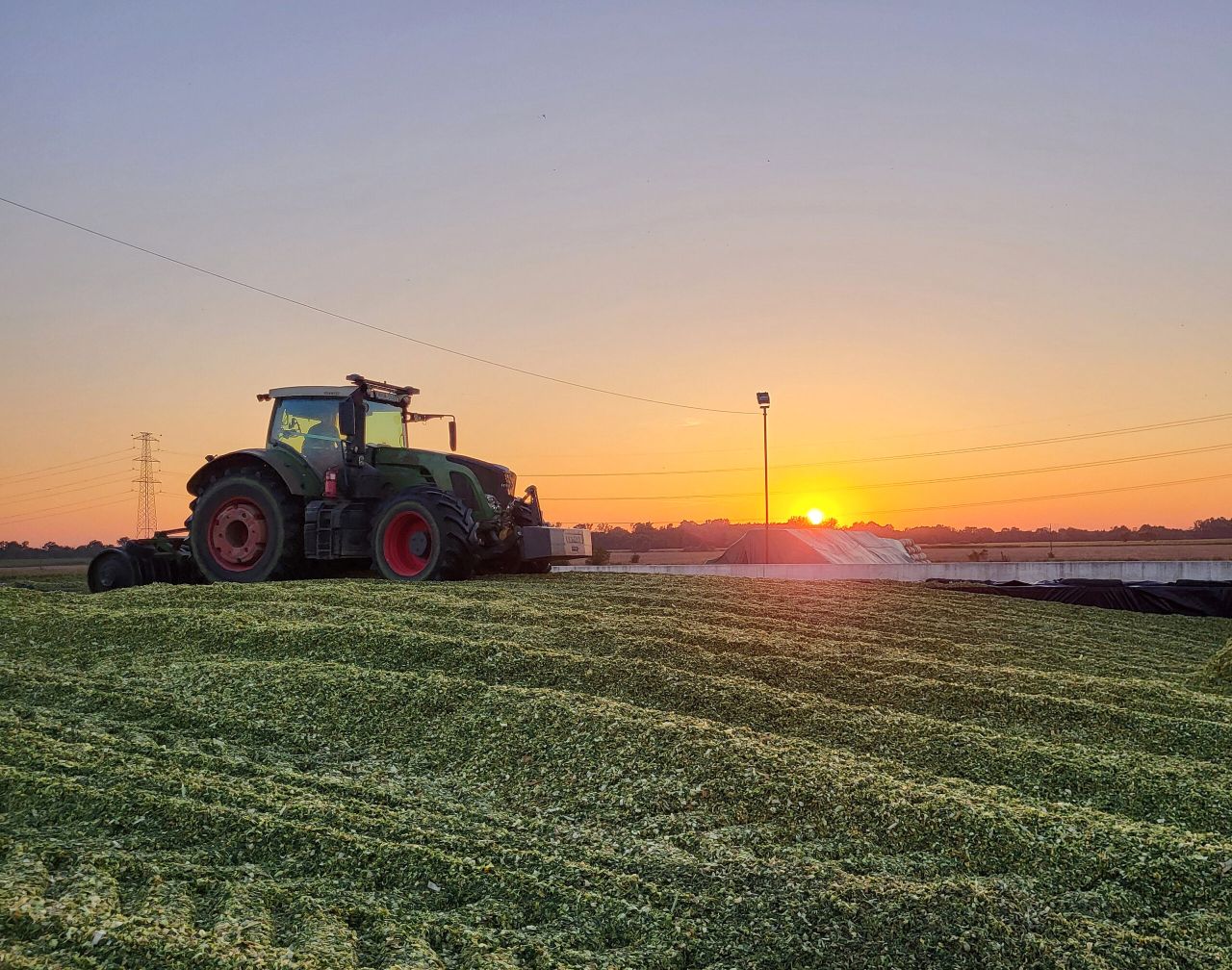
Maize silage also contains a valuable source of energy and can replace some energy supplied by grass silage.
However, it cannot be used as a replacement for every livestock class.
Deferred grazing
According to AHDB, stockpiling or deferred grazing allows farmers to reduce demand.
This is weather permitting as it depends on rainfall permitting grass growth to recover.
It involves allowing some areas of grass to accumulate for later grazing, depending on farm type as well as soil; weather; and grass growth.
Don’t wait
If you are a farmer faced with forage shortage, early budgeting is the most valuable tool available, AHDB said.
Once you know how much forage you will need to consider buying; use alternative sources; optimise grazing; and review livestock numbers.
Demand for forage is likely to be high across the UK and Ireland, which means leaving purchases until winter may reduce available options.
The aim is to build a realistic feeding plan around the resources that are available while keeping up with livestock requirements.