Govt outlines plan to ensure rural voices 'help shape policy'


The UK government has announced a new strategy aimed at ensuring rural communities are placed at the heart of government policy.
It is planning to create a cross-government board to oversee how policymaking affects the countryside.
The Future of Rural England report sets out a roadmap for improving economic opportunities, infrastructure and public services across remote parts of the country, while also introducing measures to ensure that government departments better understand the needs of rural communities.
The report, which was drafted by the Department for Environment, Food and Rural Affairs' (Defra) rural taskforce, identifies six priorities that the department says are "critical to creating thriving and sustainable rural communities".
These priorities include: economic growth and productivity; infrastructure and housing; skills and education; health and wellbeing; safety and community resilience; and connectivity.
Defra outlined that the new cross-government board will monitor the effectiveness of "rural proofing" across Whitehall, with annual public reports reviewing progress.
The department highlighted that rural England is home to more than 9.7 million people and over 500,000 small and medium-sized businesses operating across sectors, such as agriculture, tourism, manufacturing, and renewable energy.
According to the report, rural areas contribute more than £259 billion annually to the UK economy, but they reportedly continue to face barriers, including poor transport links, limited digital connectivity, shortages of affordable housing, and reduced access to health care.
Rural England
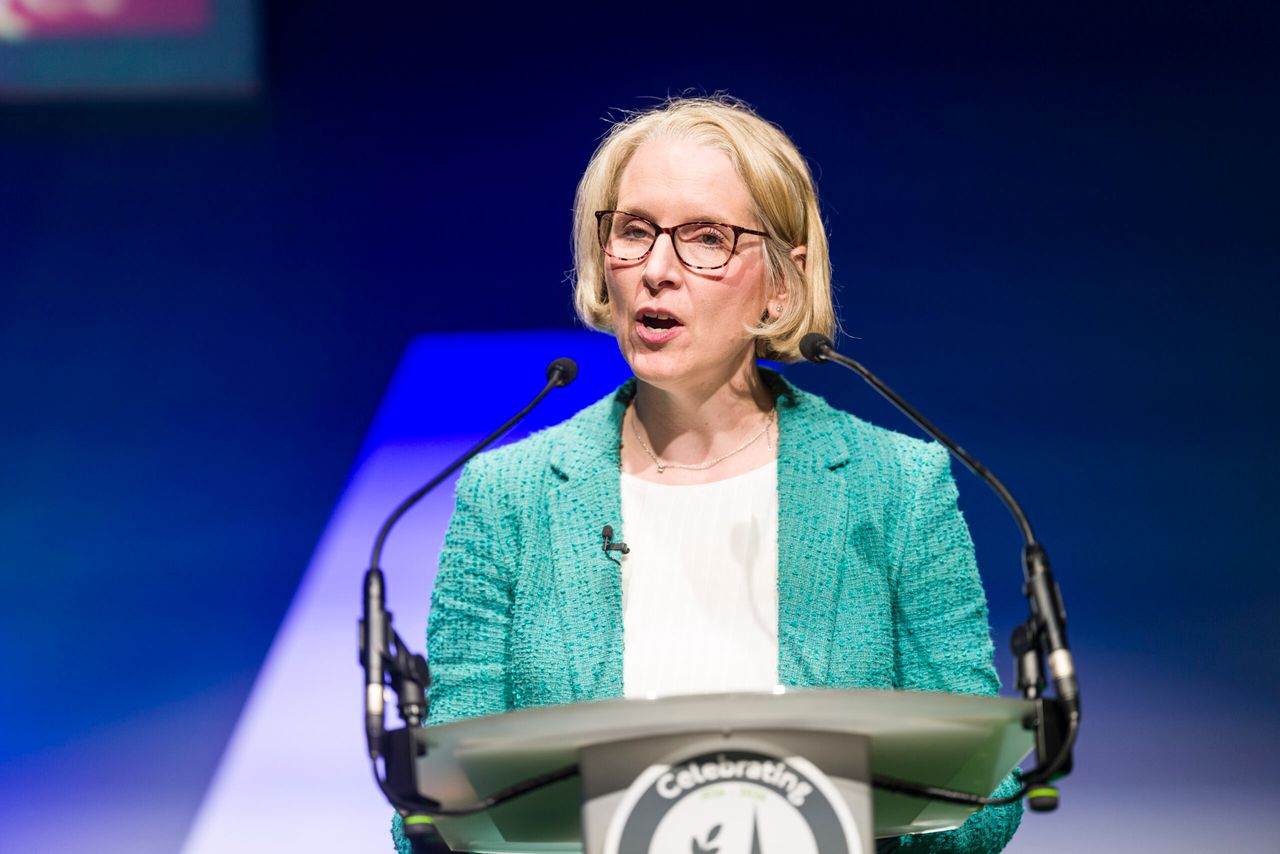
Defra Secretary of State, Emma Reynolds noted that the government is committed to ensuring rural communities are no longer treated as an afterthought in policy development.
Reynolds said: "Rural England already contributes more than £259 billion to our economy, is home to over half a million businesses, and has huge potential for further growth.
"As Secretary of State responsible for rural affairs, I am leading a cross-government approach to ensure that rural voices are not an afterthought but help shape policy across government."
The report lists many recommendations to better support rural England, with the rural taskforce advising every government department to assess the potential impacts of new policies and investment decisions on rural communities before they are implemented.
Other recommendations include increasing the delivery of affordable housing, improving transport services and addressing remaining gaps in broadband and mobile coverage through programmes, such as Project Gigabit and the Shared Rural Network.
In addition to this, the report also advises the UK government to improve energy resilience in remote areas, strengthening support for rural businesses and developing new measures to monitor the long-term sustainability of rural communities.
Defra
Within its report, Defra's rural taskforce also identifies rural crime, including agricultural equipment theft and wildlife offences, as an issue requiring better data collection and greater co-operation between policing agencies.
The taskforce noted that while pupils in rural areas often achieve strong GCSE results, "progression to higher education is lower" than in urban areas, with skill shortages reportedly continuing to affect many businesses.
As part of its commitments listed in the report, Defra will establish the new cross-government board, develop new indicators to assess the health of rural economies, and continue funding local initiatives that tackle issues such as affordable housing and rural crime.
It will also work with other government departments to strengthen rural proofing across future policy development.
CLA
Responding to the report, the deputy president of the Country Land and Business Association (CLA), Joe Evans welcomed its publication but he noted that implementation of the recommendations would be key.
Evans commented: "The challenge now is turning these recommendations into action.
"That means delivering affordable rural housing, improving digital connectivity and transforming our approach to planning so that it becomes an enabler, as opposed to a blocker."
He added that ensuring rural communities benefit from devolution would be essential to unlocking economic growth across rural England.