How Brexit, Ireland and rural crime intersect
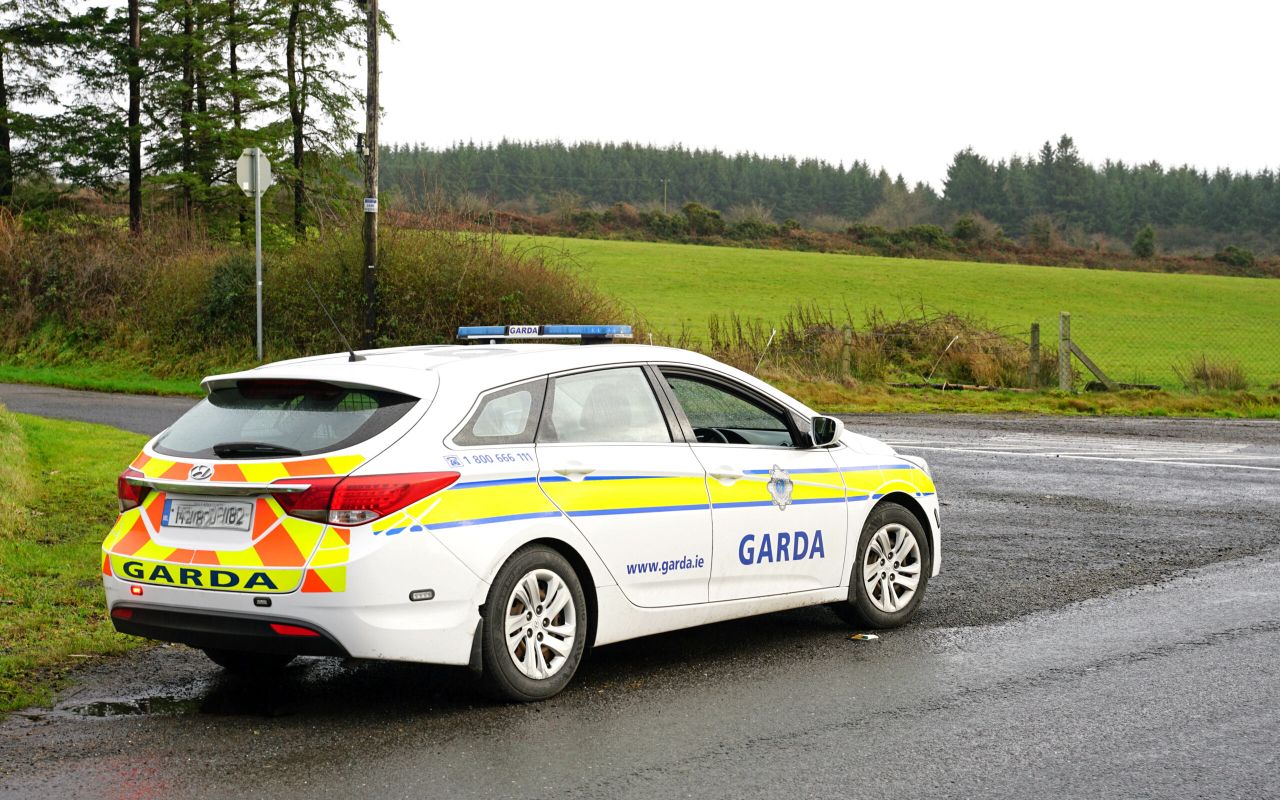
British police say that Brexit made law enforcement harder in both Ireland and the UK. And this issue is still not resolved.
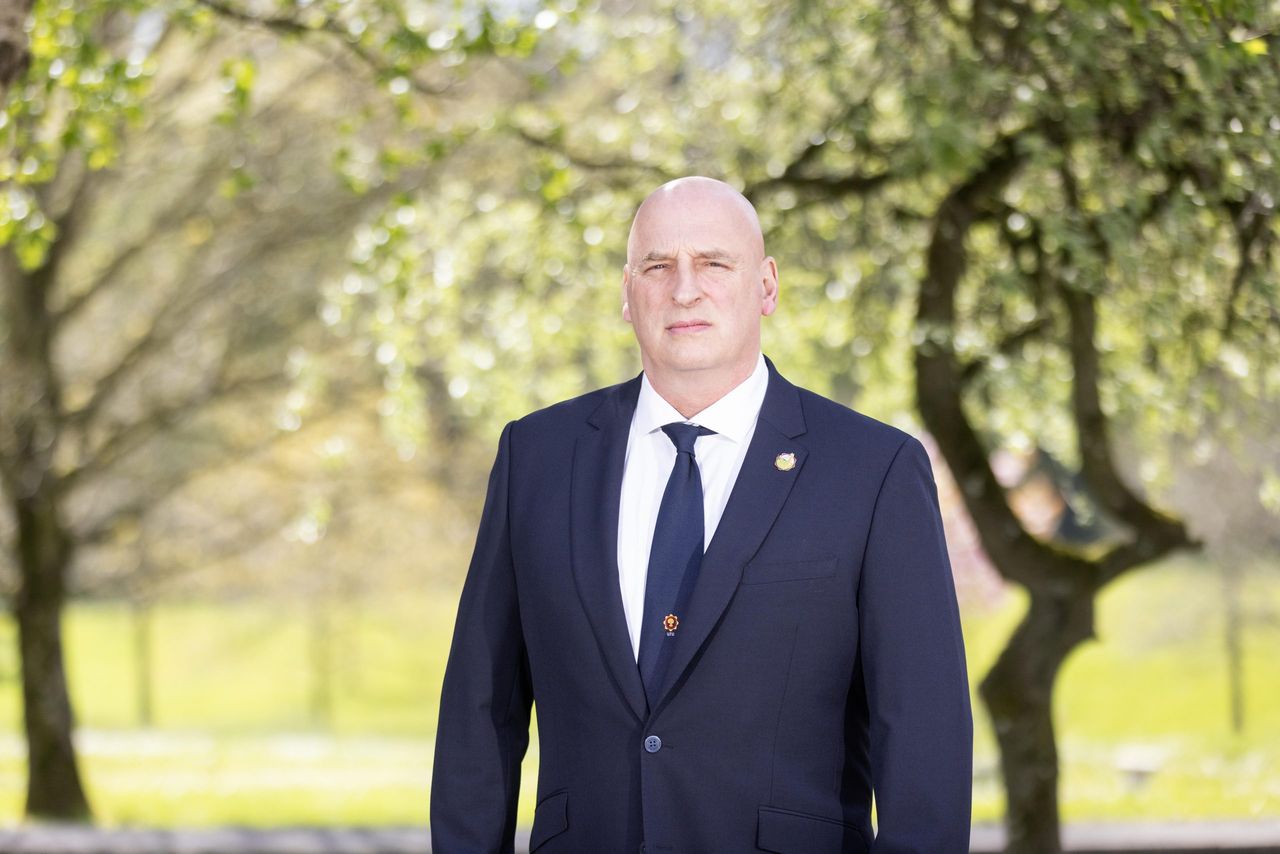
That's according to the UK police's national lead for rural crime, Andy Huddleston.
He told Agriland that there are links between Irish and UK rural crime due to "inextricable theft lines”, with “lines of criminal gangs that will operate across from Ireland to Northern Ireland, from Ireland to the UK”.
Huddleston added: “So in terms of Brexit, we literally overnight were not able to share information with Ireland from the UK of stolen property, the same as we weren't able to with the rest of Europe.”
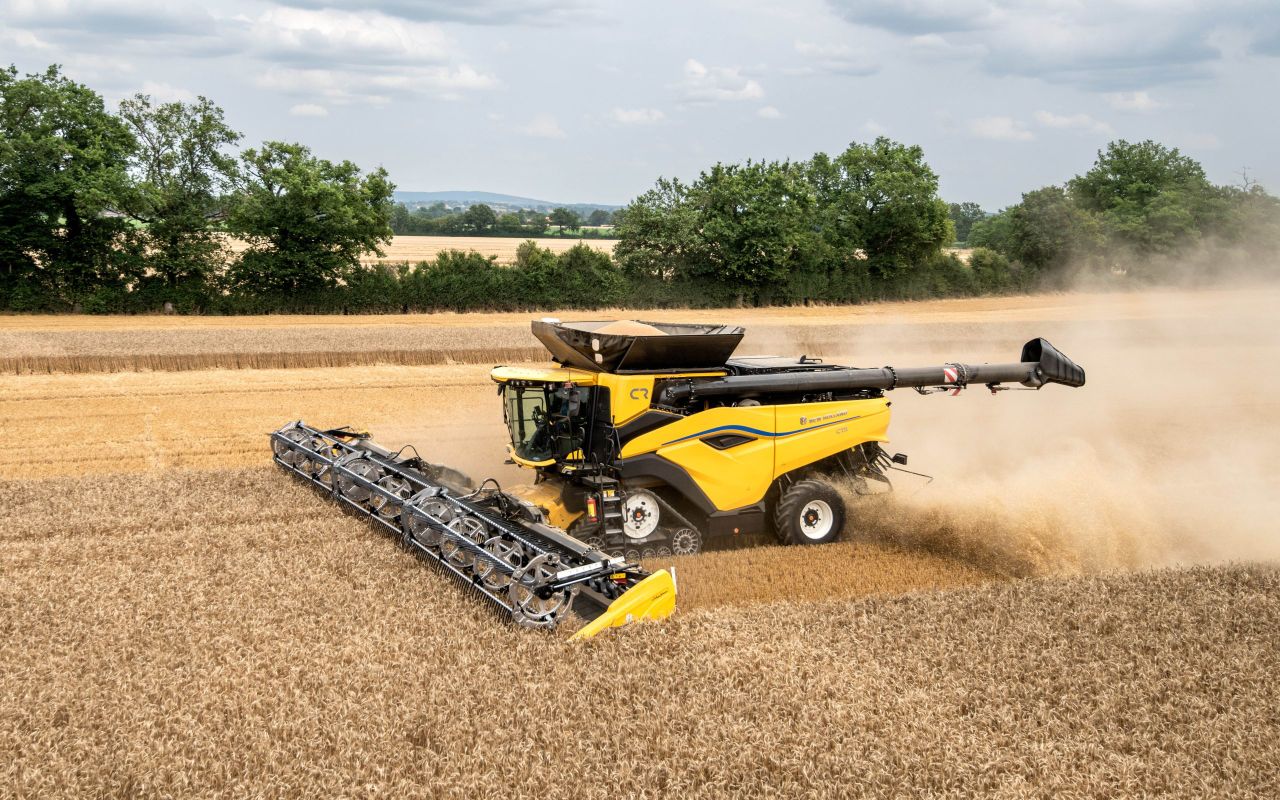
As an example, he referred to machinery that is being taken out of the UK to Ireland, and vice versa.
“So it was a disadvantage for both countries not to have that sharing of information and data," he said.
While datasharing measures have improved since then, the rural crime lead stressed that “it’s certainly not as good as where we were”.
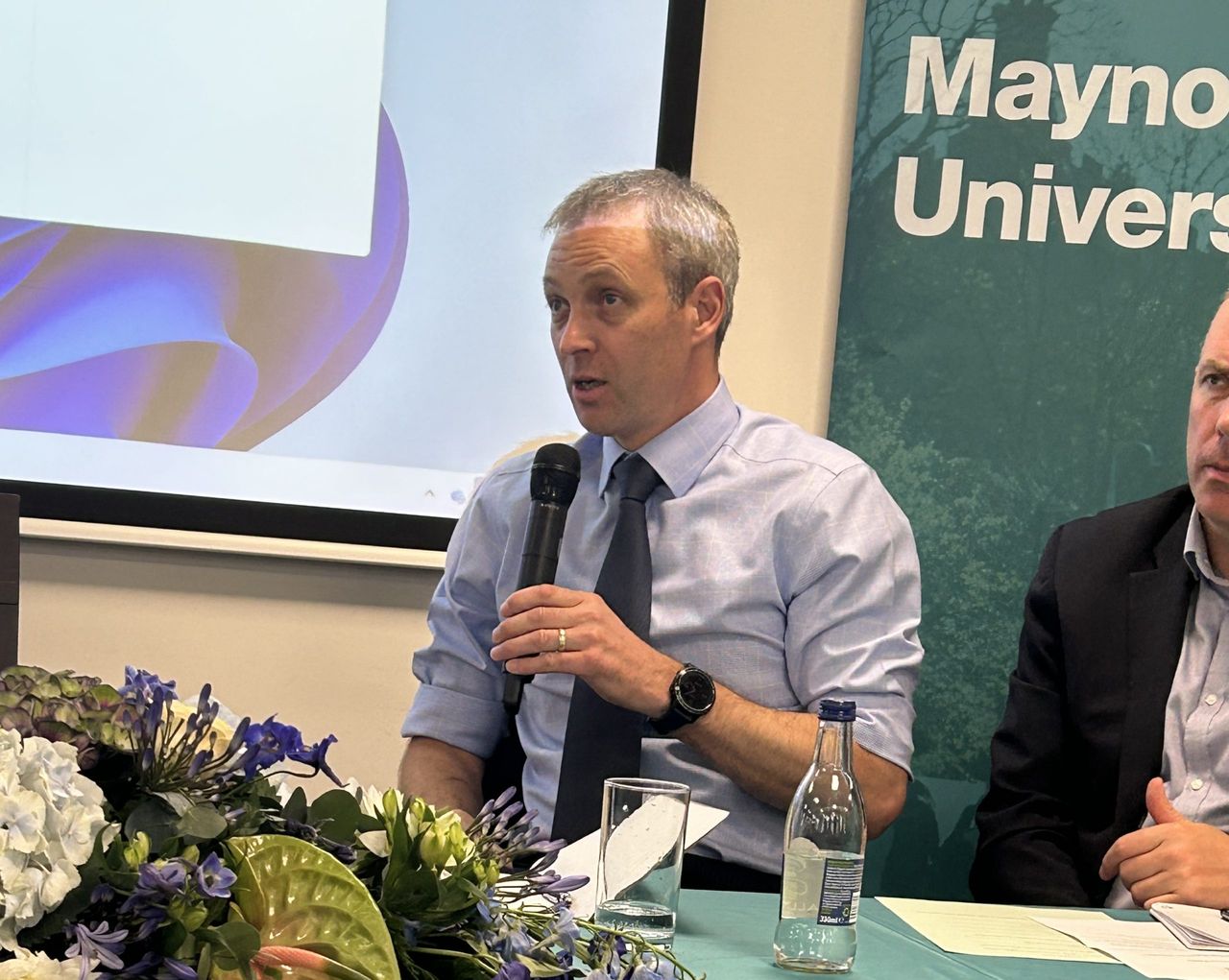
Huddleston was speaking at the inaugural European Rural Crime Network (ERCN) workshop in Maynooth University on Wednesday (June 17).
ERCN is a network of farming organisations, collectively established by and for the agricultural communities of Europe.
The network brings together rural crime prevention officers from national farming federations across all 27 EU member states and the UK in recognition that "rural crime is a transnational, economically motivated problem".
It said that the most effective response is one built upon the "shared knowledge, trust and cross-border relationships of farming communities working together".
Rural crime and the bigger picture
One issue discussed at the workshop was the international nature of rural crime.
Historically, Huddleston said, rural crime was perceived s something "low-level”.
“It was a theft of a chainsaw or something out of a shed, or it was maybe a quad bike, occasional one, or it might be hare coursing, something like that.
"It is absolutely not that," he said.
According to Huddleston, a significant percentage of rural crime is “serious organised crime”.
Theft of high-value items, such as GPS units, have been linked to international criminality.
He explained: “We've got international organised crime groups targeting Ireland, targeting Northern Ireland, targeting the UK.
“And these are groups that are travelling great distances and investing significant amounts of money to come and steal from our farms.”
Joined up thinking
While countries and governments see borders and boundaries, criminal organisations often do not.
According to Huddleston, international joined-up thinking is “something that we're just not good enough at”.
At the ERCN workshop, the importance of sharing resources, data and information was a key topic.
“It is getting better, and the likes of the inaugural meeting today, of European countries starting to come together, is absolutely essential.
“It is the fundamental, it's the bedrock of what we need to do, which is share that information, work together, the sharing of best practice, listening to some of the things, even coming from as far afield of South Africa, that we can learn from, and how can we, as a coordinated, influential group, start to see those changes that we need," Huddleston said.
One tool in this effort is academic research, which can provide data and insight to groups like ERCN.
This research “is giving us the evidence to look at things differently and challenging, rightly challenging the police on how we do things, but also challenging everybody else around questioning how they do it and could we do it in a better way”.
Huddleston added that the workshop was “about bringing people together".
"It is about recognising that we need to be more coordinated and we need groups like this to bring that coordination,” the UK rural crime lead said.