Importance of lamb exports to Europe stressed at EasyCare open evening

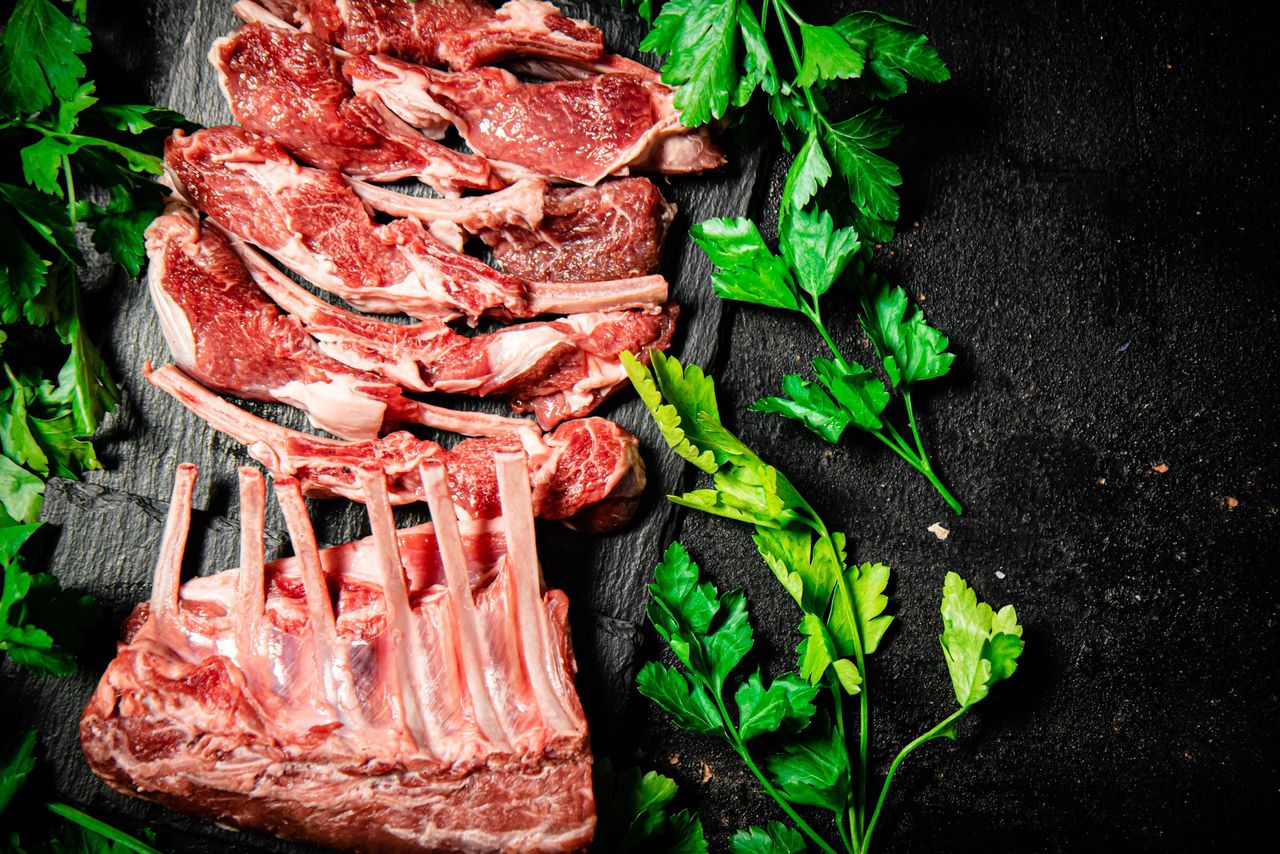
The importance of lamb exports to Europe, and ensuring carcasses are acceptable to meat inspectors, were among the topics discussed at an EasyCare open evening.
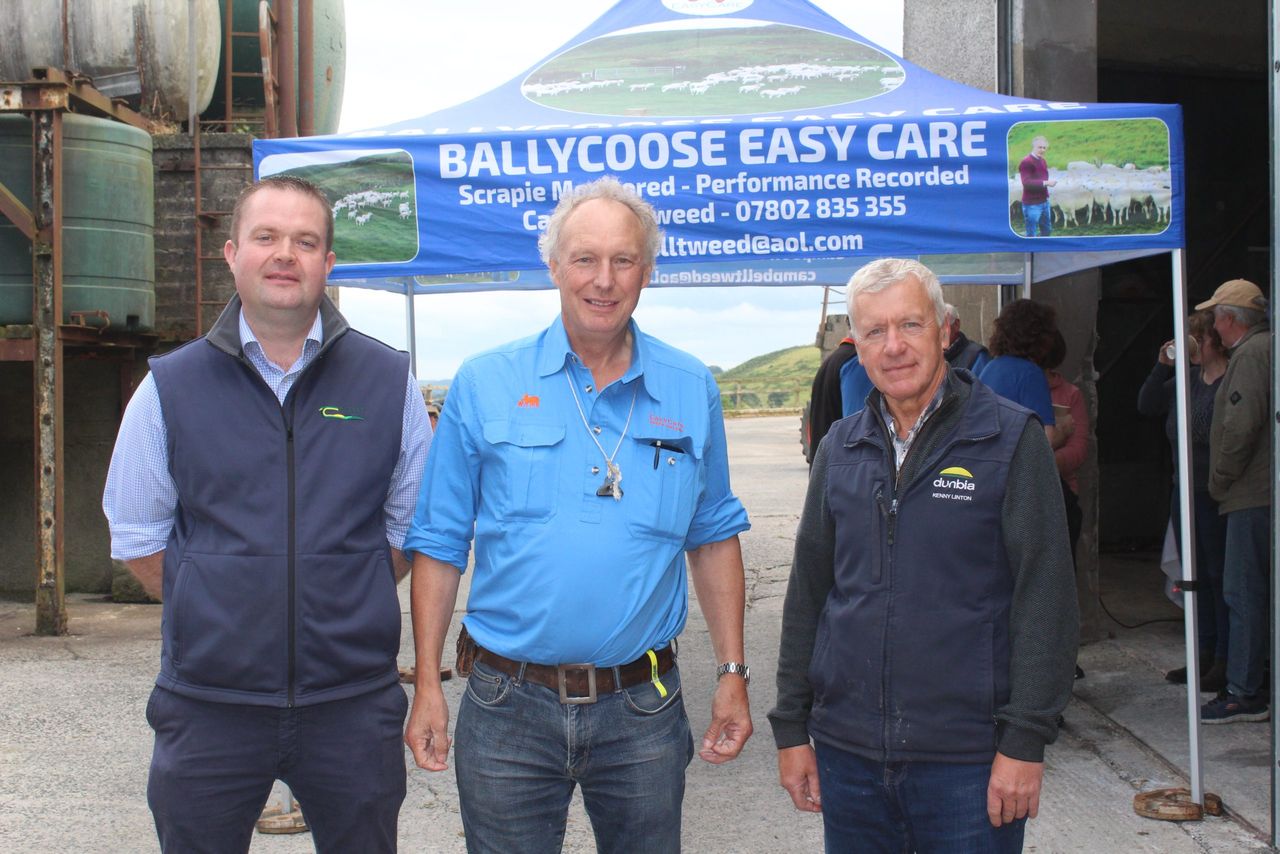
The event was hosted by Co. Antrim flock owner, Campbell Tweed, who farms with his wife, Isobel, close to the village of Carncastle in east Co Antrim, and also featured speakers from meat processors Dunbia.
The open evening aimed to provide information about self-shedding flocks in tandem with a number of more general issues impacting the Irish sheep sector.
Agricultural manager at Dunbia Dungannon, Harry Stevenson spoke at the event, confirming the commitment of the business to the sheep.
He said: “Dunbia is part of the Dawn Meats’ group: we are the largest exporter of lambs in Europe."
Stevenson outlined that Dawn Meats processes between 3 million and 3.5 million sheep across the UK and Ireland annually across 24 facilities.
This includes six abattoirs in the Republic of Ireland and a further 11 in the UK.
He said: “The export of lamb is of very significant importance across all the Irish processing sites.
“Germany, France and the Netherlands are very important outlets in this regard.
“Many people eating lamb now are from a Muslim background. And it is their religious feasts that really drive the lamb trade across Europe throughout the year.”
According to Stevenson, 60% of lambs processed in Dungannon, Co. Tyrone, are destined for carcass export into Europe.
"From a UK perspective, the business supplies the Co-op and the Sainsbury supermarket group.
“Dungannon is killing 3,000 lambs per week. It is the largest facility of its kind in Northern Ireland," he said.
Lamb carcass quality: injection sites
Dunbia’s Kenny Linton also addressed the meeting, and specifically highlighted a number of farm management issues that can impact on carcass quality.
These include the issue of injection sites.
He explained: “Vaccination and injection sites on the shoulder of lambs can lead to meat inspectors removing a small area of surrounding tissue.
“If this happens, the carcasses cannot be exported to Europe. So the advice to sheep farmers is to look at injecting or vaccinating sheep in the neck.
"The issue can be gotten round when it comes to the supermarket trade as lamb carcasses are cut up for that purpose
“If meat inspectors find one injection site within a batch of lambs, they will tend to look more closely at the other carcasses in the batch."
Linton also confirmed the growing issue linked to the C. ovis contamination of lambs.
He commented: “Worms can be found in the heart and in some cases it can lead to the total condemnation of the complete carcass.
“This is the case if the problem is caught in more than three sites."
Linton confirmed the continuing fall-off in Irish sheep numbers.
However, he held out the prospect that the encouraging prices available for sheep that have been available for some time might help to reverse this trend.
Sheep scab
Meanwhile, the return of sheep scab returning as a threat confronting the sheep sector as a whole was discussed in some depth at the open evening
The need for flock owners to dip sheep for scab was highlighted by Campbell Tweed.
He referenced the availability of new technology that puts the effluent form the dipping process through a carbon filtration system.
The EasyCare flock owner recognised the growing threat once again posed by sheep scab.
He confirmed that the only way of dealing effectively with the problem is through the use of an organo phosphorous (OP) dips, adding that injections against sheep scab no longer work.