

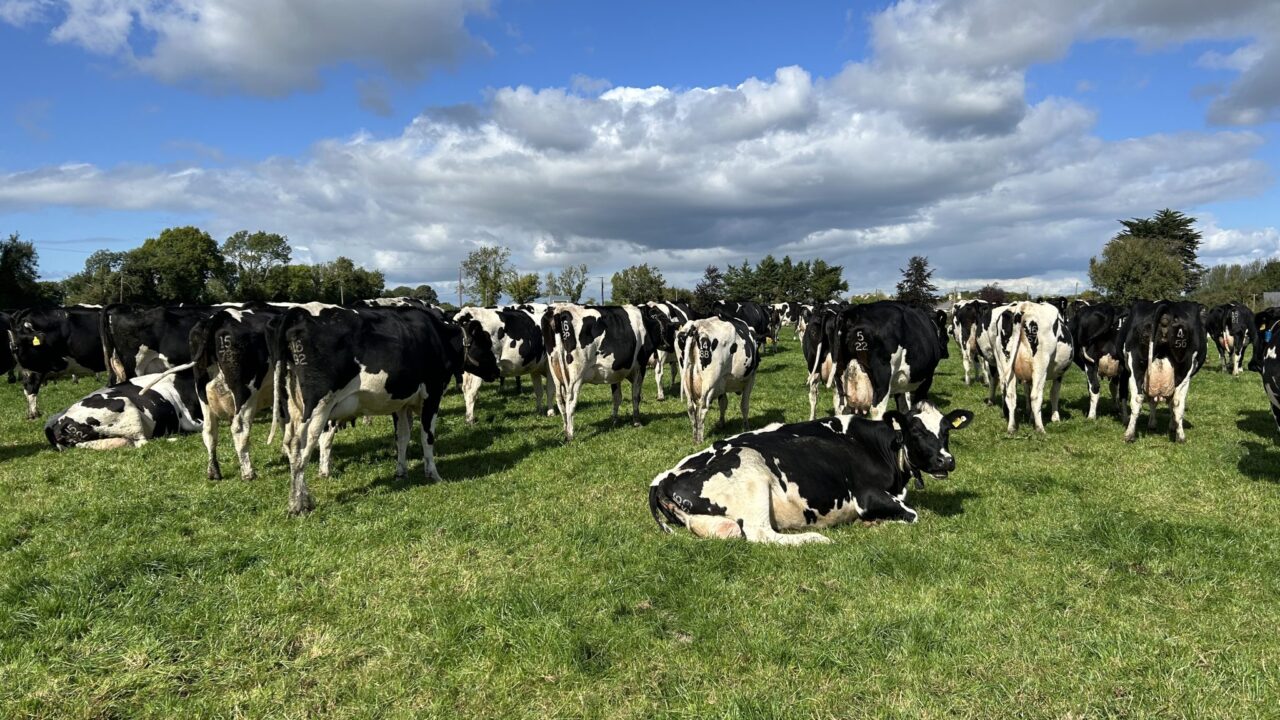
There are still plenty of cows to calve down, but with breeding quickly approaching, farmers should start carrying out pre-breeding checks.
There may be some underlying issues after calving that can be costly and affect a cow’s fertility ahead of breeding.
The most notable issue is cows who are suffering with endometritis.
As well as that, a lot of herds are still on silage diets, which may cause issues such as mineral deficiencies or poor body condition.
At this time of the year, it is also worth going through milk recording reports and removing any cows that consistently have issues with somatic cell count (SCC) from the breeding programme.
Endometritis
The most important thing to do now is to identify the cows that are not bulling by heat detecting for a full cycle of 24 days and find the non-bullers that are calved over 35 days and still showing no signs of heat.
Cows that are identified as not cycling need to be monitored for issues such as endometritis, which is an inflammatory infection of the uterus which persists beyond the third week post calving.
Cows that have had hard calvings, poor body condition scores at calving, abortions, or retained cleanings are usually at a higher risk of the infection, however cows with no such history can also be affected.
If you do notice vaginal discharge, you should get your local vet out to undertake a metric check.
Metrichecking is an examination of the discharge, scored on a 1 to 5 scale ranging from clear oestrus-like mucus to thick foul-smelling pus.
If the metricheck comes back with a score of two or more, then the cow more than likely has endometritis.
Identifying endometritis at an early stage means the cow can be treated with metricure or other treatments recommended by your vet.
Therefore some farms carry out routine metric checks at three week intervals, or whole herd tests towards the end of calving.
This is done as endometritis needs to be treated at least four weeks before mating starts to give the cow the best chance of getting in calf.
Pre-breeding checks
Ahead of breeding, it is also worth looking back on records from the calving season to identify cows that may need to be checked by the vet prior to the start of breeding.
Cows that went down with milk fever, had a difficult calving, or had some sort of health or metabolic issue in the last few months should be looked at.
You may have cows in the yard that need to be washed out, have diets adjusted, or hoof paring carried out, all before breeding begins.
All cows and heifers should also be vaccinated prior to breeding for leptospirosis, bovine viral diarrhoea, and infectious bovine rhinotracheitis to protect the cow from any reproductive problems or foetal loss.
Start tail painting cows now with one colour. Once they have shown signs of cycling, tail paint them with a different colour.
If a number of cows are missing heat, and no health issues are prevailing, it may be worth considering a synchronisation programme.
It might also be a good idea to keep late calving cows on once-a-day (OAD) milking to let them recover quickly to they are at full health when breeding comes around.
Related Stories

Is endometritis costing you money in lost fertility?
Is endometritis costing you money in lost fertility?
Is endometritis costing you money in lost fertility?
.editor-styles-wrapper .wp-block-acf-related-stories-block {
max-width: 960px !important;
background-color: var(–color-gray-default);
padding-inline: 40px;
padding-top: 8px !important;
padding-bottom: 20px !important;
}
