

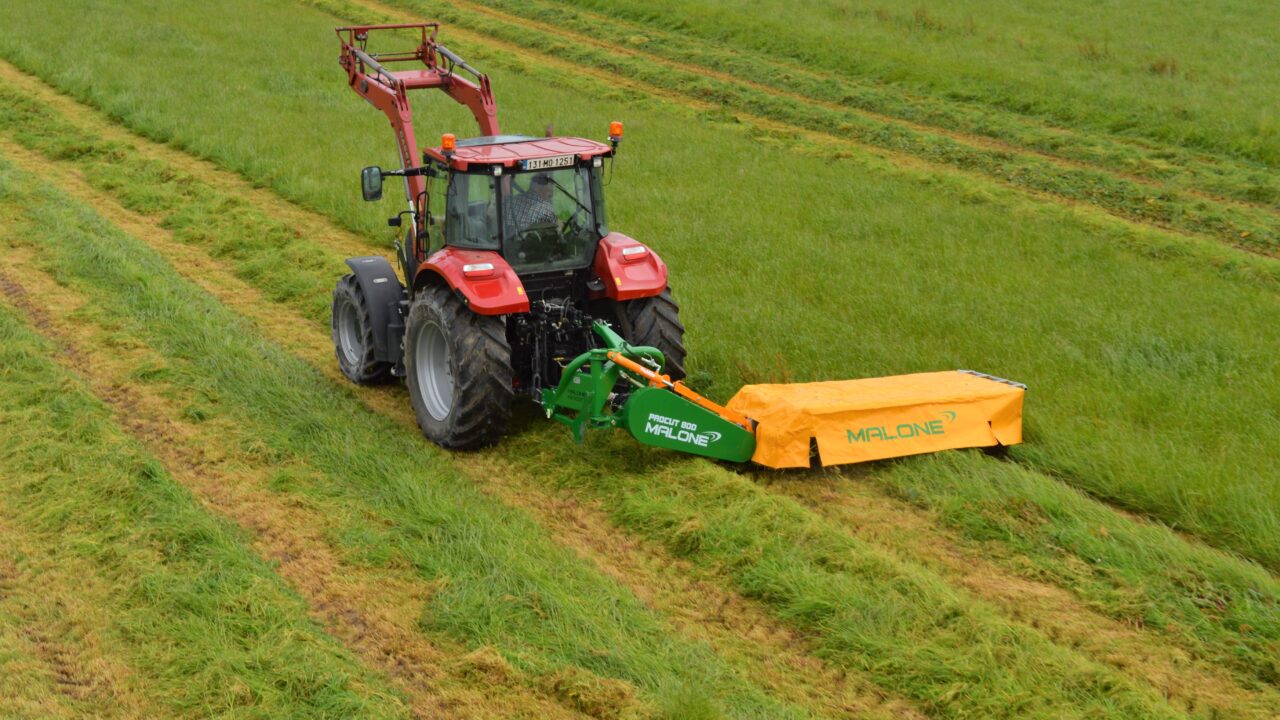
Agriculture is growing globally, and demand for agricultural machinery is therefore potentially very high.
However, the current economic and geopolitical environment is slowing trade flows and weighing on sector performance.
This is the situation as outlined at the launch of the 47th edition of International Exhibition of Machinery for Agriculture and Gardening (EIMA International), the world exhibition of technologies for agriculture scheduled to take place in Bologna next November.
The launch took place at the headquarters of the Federation of Agricultural Machinery Manufacturers (FederUnacoma), which organises the Bologna event.
Speaking at the launch, president of the federation Mariateresa Maschio said: “Protectionist policies in some countries, economic sanctions, interference with trade routes, and tariff wars have led to market fragmentation and a sharp slowdown in trade, which is weighing on the performance of the agromechanical sector.”
According to FederUnacoma, 2025 data indicates a downturn in sales in traditional markets.
The US, affected by new tariff barriers, closed the year with a 10% decline, with 196,000 tractors sold versus 217,000 in 2024, marking the worst result of the past 13 years.

Germany was also down (-12.2% with about 26,000 units registered), as were France (-14% with 24,000 units as of November), and the UK (-14.2% with 9,000 units).
There are signs of recovery from Italy and Spain: Italy ended the year with more than 17,500 registrations and a growth of 17.3%, while Spain grew by 29.3% with around 10,000 tractors.
India’s market continues its run, reaching an all-time high over the past 12 months with about 1.1 million tractors (+20.9% compared to 2024), confirming its position as the world’s leading market by number of units purchased.
This contraction of the agromechanical market is down to cyclical factors rather than to actual decline in demand, which remains to be potentially high, according to FederUnacoma.
“Over the past 15 years, output in the primary sector has grown significantly, but to meet the needs of the world’s population it will have to grow by a further 14% by 2034″ Maschio said.
Target markets
Target markets would be India as well as countries North Africa, Sub-Saharan Africa, and the Middle East as they are currently experiencing the highest demographic growth, FederUnacoma said.
This growth comes alongside a recovery in trade, estimated to reach around 1.9% per year over the 2026-2029, amounting to €92.5 billion by the the end of the four-year period.
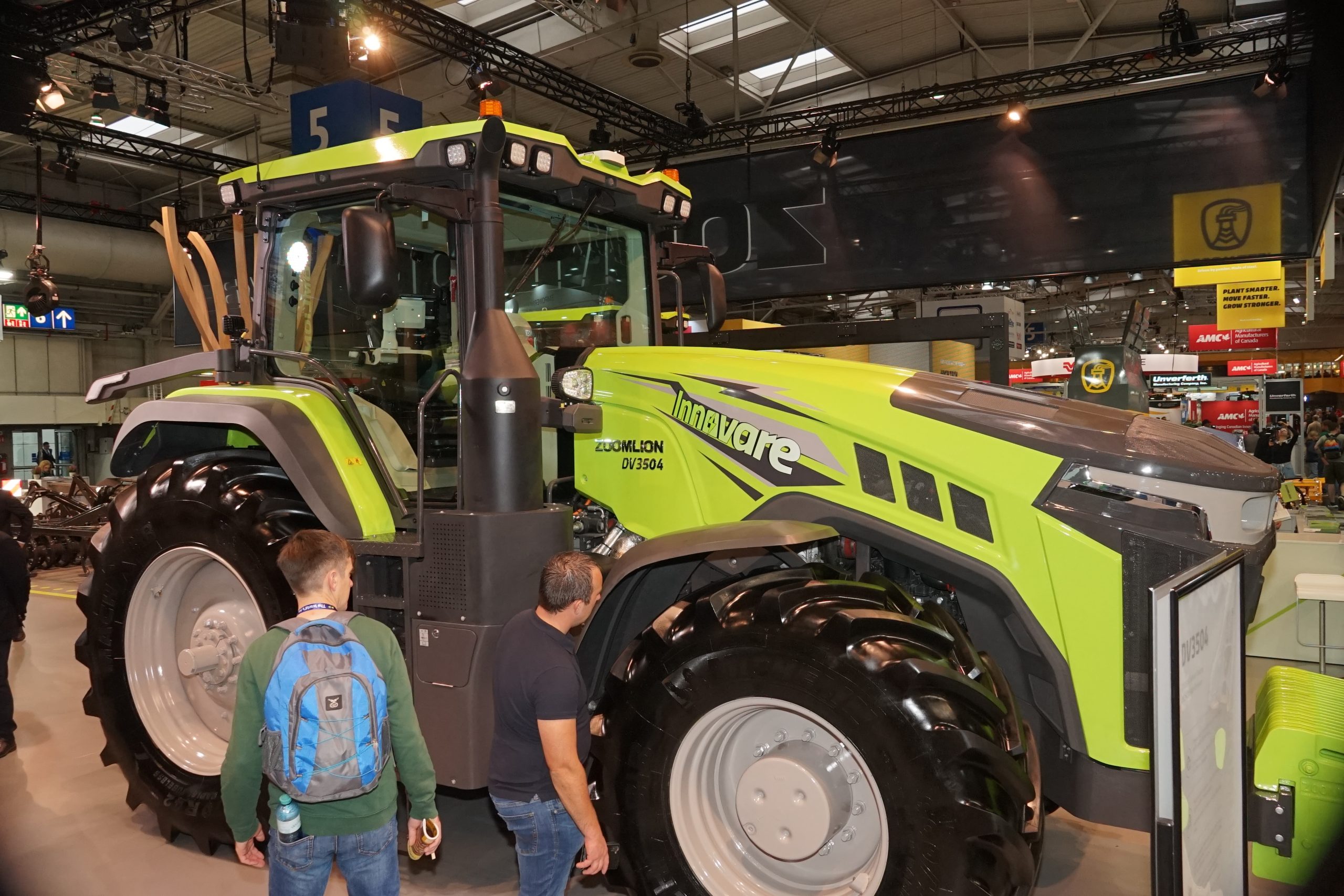
New players are emerging and expanding their market shares, with Chinese manufacturers today being the leading suppliers to Sub-Saharan Africa (35% market share) and Asia (41%), holding significant positions in Latin America (17.4%), and are also gaining a foothold in an advanced market such as Europe (9.3%).
Maschio is forecasting that, in the coming years, a highly segmented agromechanical sector will develop that has low-cost basic technologies alongside highly advanced technologies for complex tasks.
“We will also need to promote both specific sector policies, with incentives for research activities and for the purchase of machinery, and broader economic policies capable of liberalising trade and relaunching cooperation among countries,” Maschio said.
A new geography of agricultural production is therefore taking shape and, with it, a new geography of the global trade in agricultural machinery.
