Livestock disease Shamonda detected for the first time in a human who died

The European Centre for Disease Prevention and Control (ECDC) is carefully monitoring the situation after French authorities announced the first ever reported human infection with Shamonda virus (SHAV).
This is a disease that has until now only affected animals.
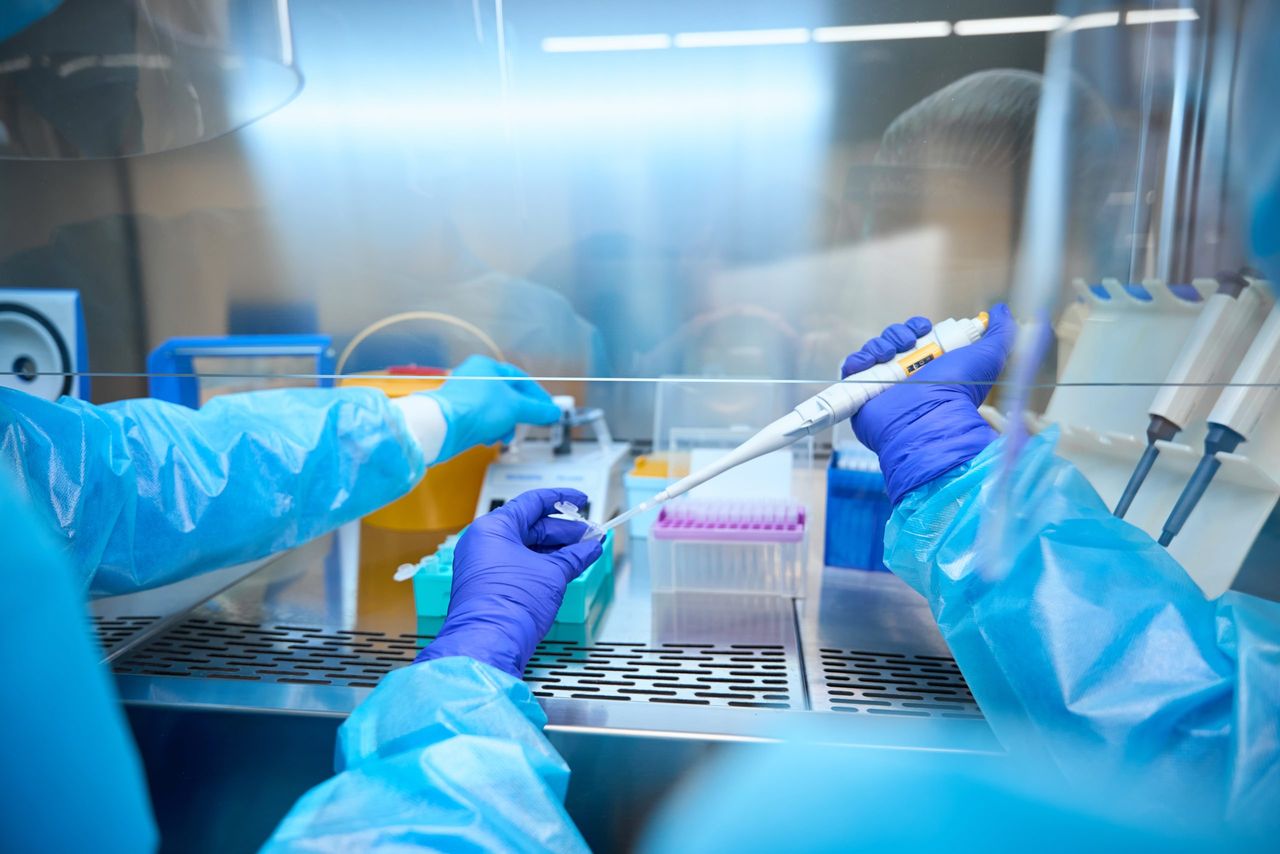
ECDC has stated that it is in contact with the French authorities and European partners to investigate the potential public health implications of this first human infection.
The only infection so far has been in a patient receiving treatment for a serious illness that made them more susceptible to infection and complications than the general population.
The patient died earlier this month. Investigations into whether the virus caused or contributed to the patient’s death and how the infection was acquired are ongoing.
Shamonda
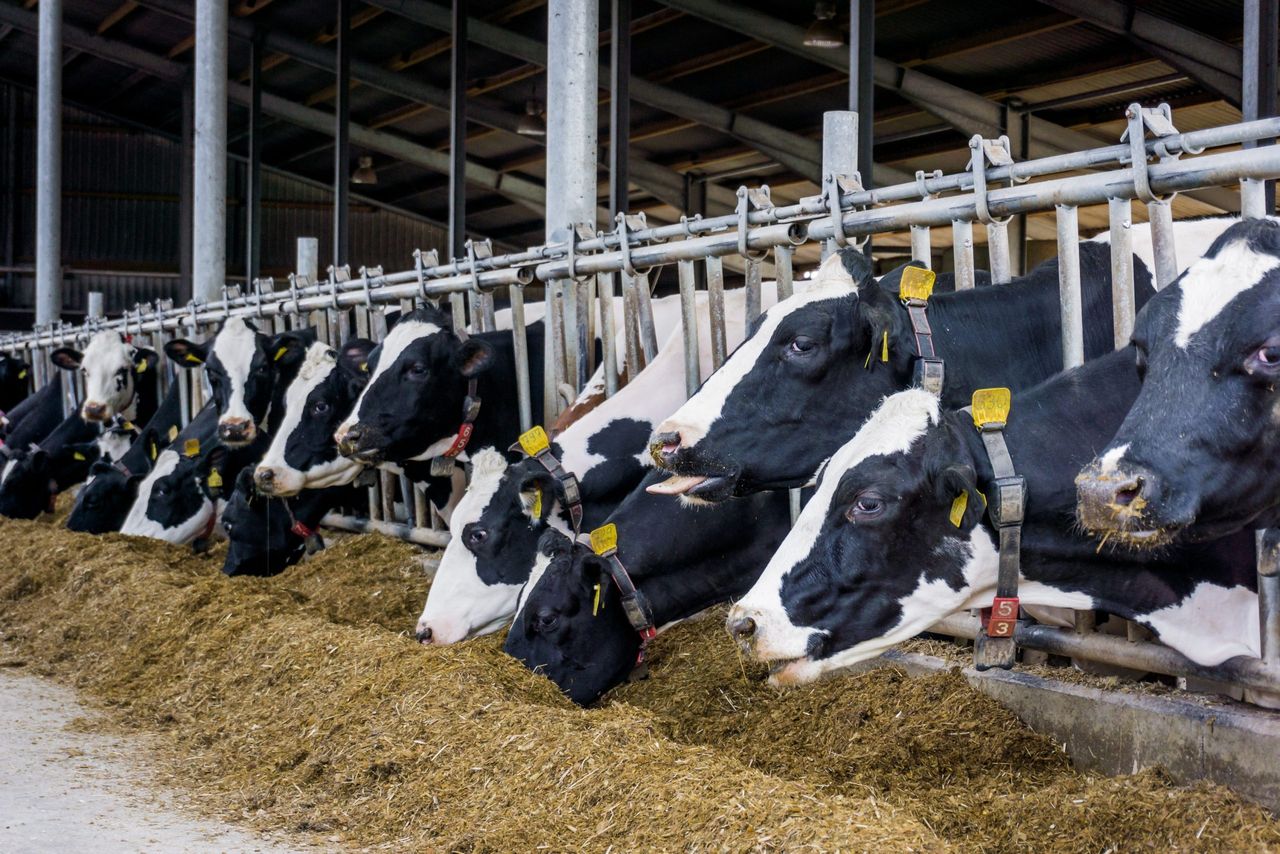
The human infection follows the first ever detection of Shamonda in European farm animals in summer 2026.
In animals, clinical signs were reported from June, and the virus was identified in late July.
It has since been detected in farm animals in: Ireland; Austria; Belgium; France; Germany; Italy; Liechtenstein; Luxembourg; the Netherlands; Portugal; Spain; Switzerland and Jersey.
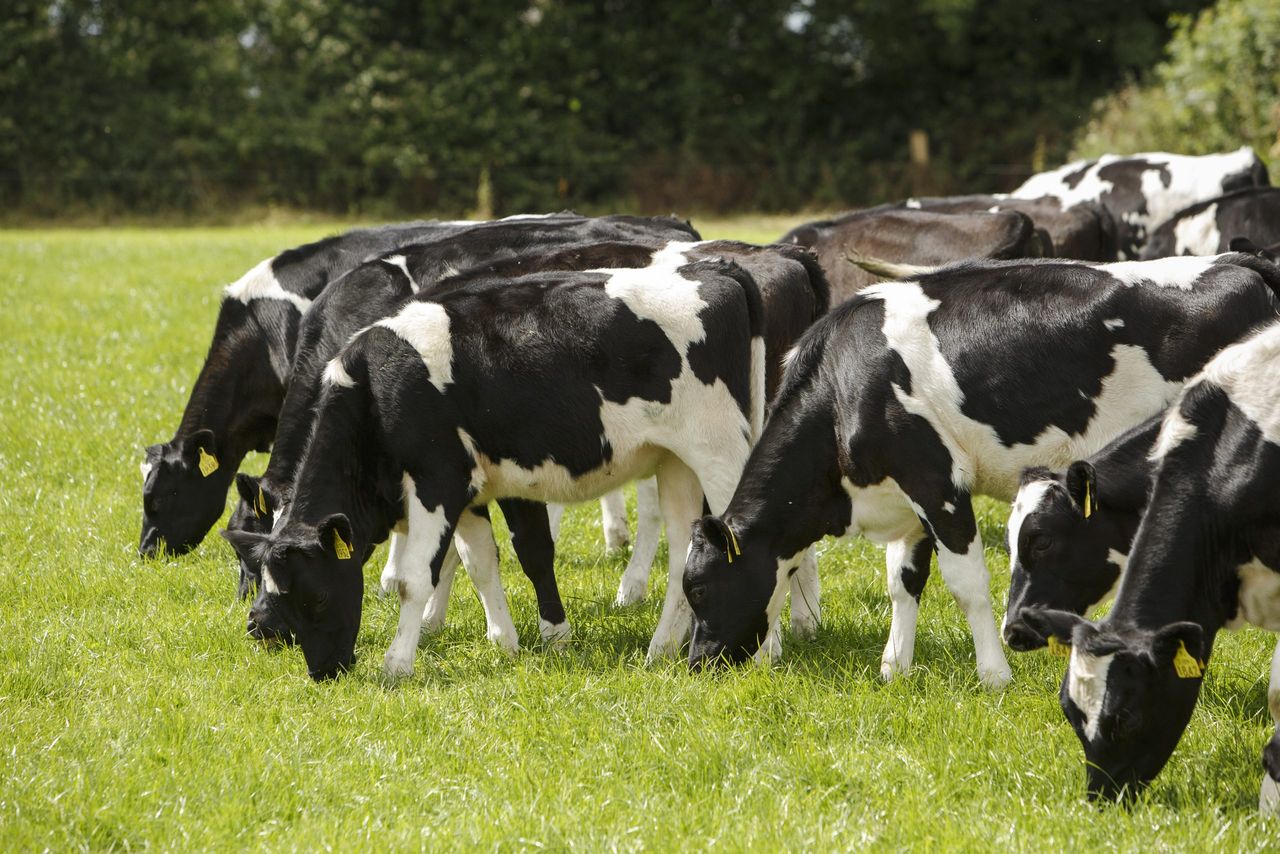
The virus in Ireland was detected in samples from three animals on two dairy farms in the south of the country
Suspicions of an animal health issue on those farms were raised when a drop in milk yield was noticed.
SHAV has previously been detected in animals in countries outside Europe.
SHAV typically spreads between animals through bites from infected midges, but the specific midge species involved in transmission in this case is still unknown.
In Europe, biting midges are generally most active from spring to autumn, with seasonal patterns varying by species, location and weather.
Given the cooling temperatures, the activity of most biting midge species is declining in Europe.
ECDC said it is following developments in close contact with the European Commission and the European Food Safety Authority (EFSA), which covers animal health and food safety across the EU.
The Centre is working with the relevant EU Reference Laboratory to strengthen testing capacity and offer additional support to member states to identify any other potential cases.