New EU-UK trade deal expected to cut costs for farmers

British grown food produce is set to make its way back to the EU market, thanks to the UK-EU trade agreement.
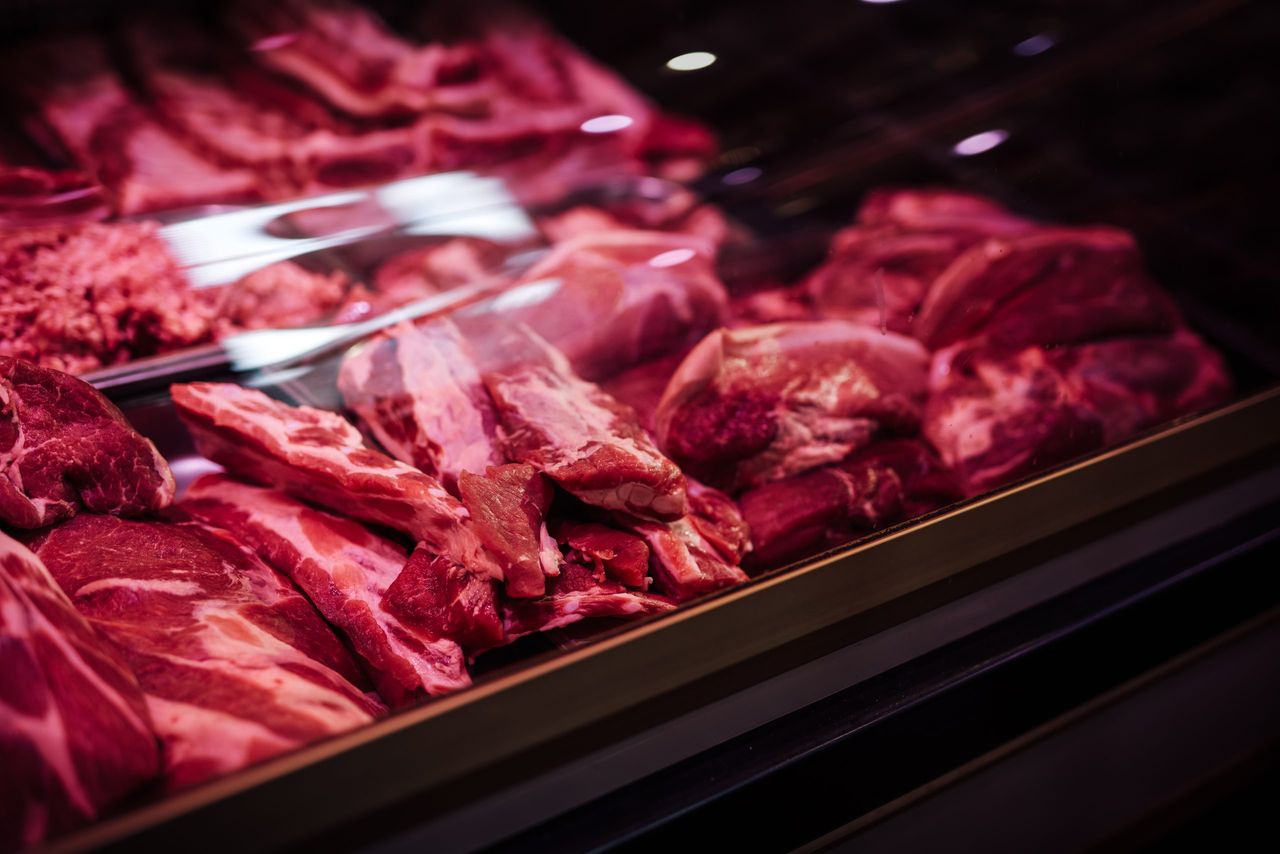
UK products such as fresh sausages, fresh burgers, seed potatoes and shellfish will once again be able to be exported to customers across the EU.
Weekly groceries are also set to face a cost reduction, with retailers such as Lidl and Asda saying that this agreement will cut costs and fill shelves with fresher food.
This deal on a sanitary and phytosanitary (SPS) agreement for plant and animal products will not only ease the pressure on food prices, but also support British farmers and food producers when exporting goods.
It is expected to strengthen food supply chains, reduce costs for businesses and help put downward pressure on food price inflation.
According to a statement by the prime minister's office, the food and drinks deal could add up to £5.1 billion a year to the UK economy by 2040.
The UK-EU SPS Agreement will see smoother trading in food, agricultural goods, animals and plants between the EU and UK.
The agreement also affects the Windsor Framework meaning that moving goods across Great Britain to Northern Ireland much easier.
The deal was struck in Brussels last week (Friday, November 20), it marks a historic change in UK trade and will ack business and give shoppers more choice and fresher foods on our shelves.
A hopeful future
British Prime Minister Andy Burnham says that removing the paperwork and red tape involved in importing and exporting goods will lower the costs and subsequently lower the pressure of the weekly shop.
The prime minister said: "I want to leave Britain forward to a more hopeful future.
"Get the economy growing again, get cost of living down for people, and lower energy bills, all of these things can be achieved by a more positive, constructive relationship with the EU."
Burnham believes the trade deal is the "better path" for Britain.
Secretary of State for Environment, Food and Rural Affairs Dame Angela Eagle highlighted how businesses have had the burden of dealing with costly paperwork, burdensome checks and unnecessary barriers when trading with Europe.
The secretary said: "This deal will help shoppers by relieving pressure on their food bill.
"It will help businesses grow, support jobs and strengthen our food supply chains while maintaining the high standards that the public rightly expect."
UK-EU agreement
The agreement will simplify the movement of goods between the UK and EU and make trade cheaper and easier.
The main changes include:
- Reduced costs: Export Health Certificates, which can cost up to £200 will no longer be required, encouraging businesses to engage in EU trade;
- Improved speed of trade: The removal of border checks means that goods can move quicker between the UK and EU;
- Improved collaboration on biosecurity: Closer cooperation and improved information sharing will ensure that biosecurity threats and disease outbreaks are tackled in a fast and coordinated manner;
- Access to new markets: The trade of products such as fresh sausages, fresh burgers, and seed potatoes will resume, reopening the EU market for these sectors.