


The Royal Society for the Prevention of Cruelty to Animals (RSPCA) today (Monday, January 19) announced new welfare standards for dairy cattle.
These updated standards aim to give cattle more space, additional pasture access, and better welfare at every stage of life.
The new revised standards will come into effect from April 20, 2026 and are designed to support better welfare outcomes, while remaining practical for farms to deliver.
They feature a wide range of improvements based on best practice and the latest science and advice from vets, farmers, and welfare experts.
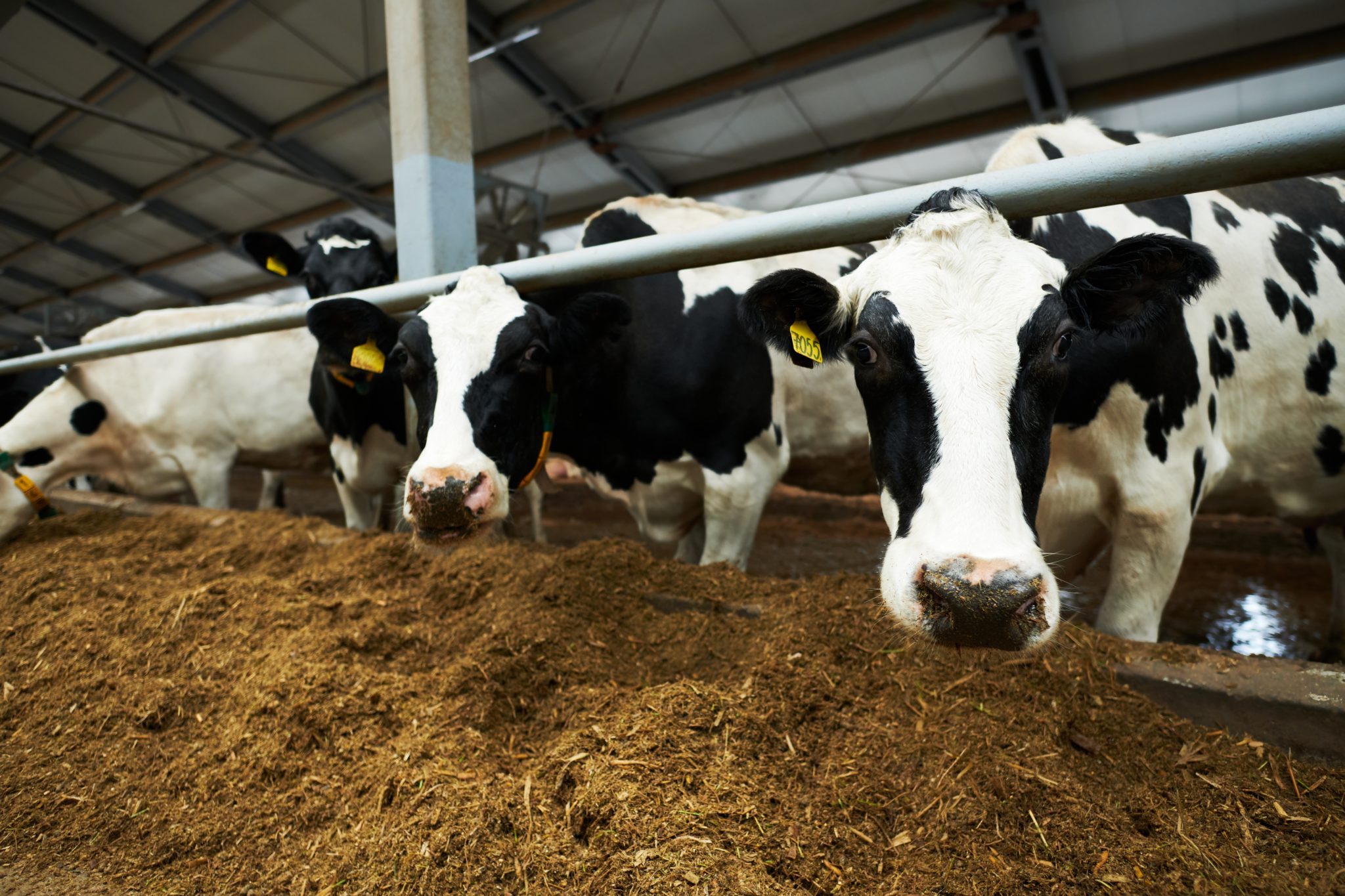
Key updates to the RSPCA dairy cattle standards include:
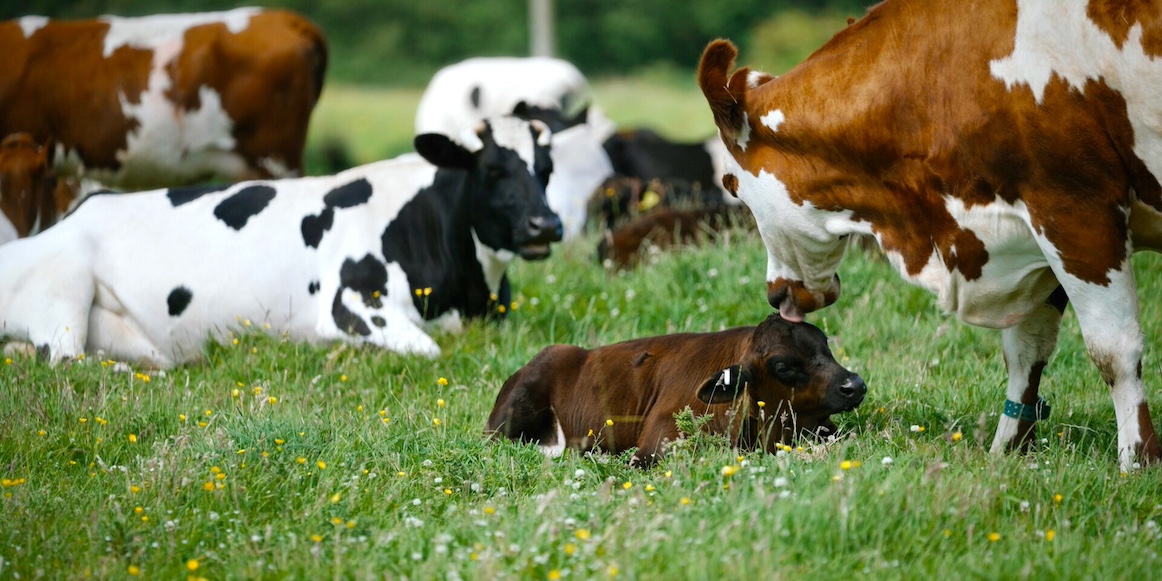
Improved pasture access
- Adult cattle must have access to pasture for a minimum of 120 days a year, for at least four hours a day (subject to weather conditions, veterinary advice or if a cow is in her transition period. meaning a cow that is shifting from late pregnancy to lactation);
- New records must be kept to evidence this, and heifers must also be given access to pasture before first calving;
- Cattle should be given free choice between access to pasture and housing, as this allows for individual preferences to be expressed within the herd.
Space and comfort
- Space requirements for calving cows are now clearer, and there are new details on bedding, cleanliness, and lying areas;
- All buildings, equipment (including livestock fencing) and facilities must be fit for purpose and well maintained;
- Required areas of hard standing, which ensures feed and water areas can be kept away from the bedded area to improve the cleanliness of the bedded area, where cows/heifers are most likely to calve down. It also allows the feed and water areas to be scraped, improving cleanliness of the calving pen.
Transport
- Cows in their last third of pregnancy must not be transported off the farm except as a last resort, such as disease control;
- Cows and heifers that are at high risk of undetected pregnancy must undergo either: a blood test for Pregnancy Associated Glycoproteins (PAGs) prior to transport, or a pregnancy diagnosis carried out by a veterinary surgeon;
- Any animal identified as pregnant must be seen by a veterinary surgeon to establish the approximate age of the foetus before being moved off the farm.
New requirements for feed and water
- Partitioned feeding systems must now provide at least 5% more spaces than the number of cattle using them, or 15% more spaces for transition cows, and there are clearer requirements for feed analysis and drinking space;
- Where feeding space is provided using individual partitions, these must: be of a size and design suitable for use by cattle, allow animals to comfortably place their head through the space, and not cause pain or injury (e.g. neck abrasions) through their use.
New calf care standards
- Teat feeders are now required, abrupt weaning is no longer allowed, and enrichment is required from three weeks of age.
More humane slaughter procedures
- From January 1, 2029 all cattle must be transported directly to an RSPCA Assured-certified slaughterhouse, using a scheme-approved haulier;
- The equipment used for the stunning and killing of animals, including the stunning pen and/or restraint devices, must be: designed, manufactured, thoroughly and appropriately cleaned, and maintained to ensure rapid and effective stunning or killing.
Pain relief and ban on routine antibiotic use
- There is now a clear requirement to provide pain relief for any condition that is likely to cause pain, such as lameness or assisted calving;
- Preventive (prophylactic) antibiotic use is no longer allowed, and detailed usage tracking is required.
Virtual fencing ban
- The use of GPS-controlled virtual fencing with electric shock collars is not allowed due to welfare concerns;
- Could led to increased risk of livestock worrying by dogs, as virtual fences do not act as a physical barrier.
Protections for cattle being sold and sourced
- Cull cattle that are being sold for further fattening, or new milking cattle being acquired, should not travel via collection centres or livestock markets, as they are likely to be more vulnerable animals. They must be sent and sourced directly to or from the destination farm;
- Where replacement in-calf dairy cattle are being sourced they must be brought onto the farm before their 27th week of pregnancy.
Veterinary access and new rules for emergencies
- All farms must have a Veterinary Health and Welfare Plan (VHWP)-listed vet with out-of-hours capacity, that can visit quickly in the case of an emergency;
- Hospital and isolation pens must be designed so they can be managed hygienically;
- Farms must have emergency plans and a clearly displayed action board with contact details and instructions.
Better housing conditions
- Revised standards ensuring buildings are well-maintained and that ventilation is effective;
- Efforts must be made to minimise, and ideally exclude, the number of dead-end alleyways in buildings, in order to avoid the incidence of bullying by dominant animals;
- The thermal environment must not be so hot or so cold as to significantly affect production or cause distress and hence indicate a compromise of cattle welfare.
RSPCA assured farming expert, Izzy Candy, said:
“The updated dairy cattle welfare standards will really help progress welfare on UK farms – from giving cows more time at pasture, to requiring pain relief for conditions such as lameness, and banning routine antibiotic use.
“These changes are practical, evidence-based and designed to make a real difference to the lives of dairy cattle”.
