Study highlights potential for outdoor pig production in Northern Ireland

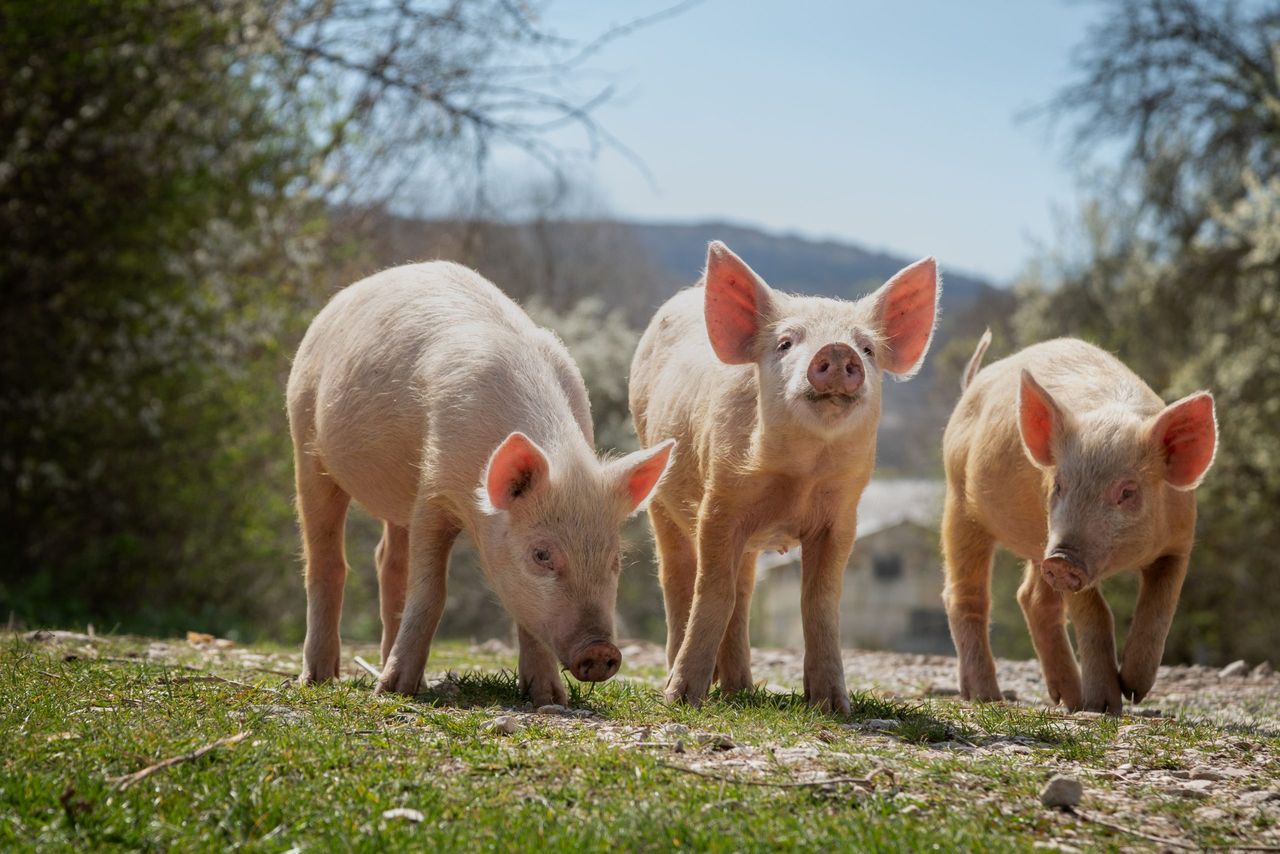
A recent Agri-Food and Biosciences (AFBI) study has confirmed the potential for outdoor pig production in Northern Ireland.
Pork raised outdoors commands a premium due to its high welfare credentials.
While the Northern Irish climate is often thought to be unsuitable to rear pigs outdoors, AFBI research has shown the potential does exist.
An eight-month study, carried out at AFBI’s Loughgall site in Co. Armagh, compared pig performance, health, and behaviour between grassland and agroforestry systems.
Two batches of pigs – a spring/summer group and an autumn group – were used, totalling 96 undocked hybrid boars.
Each group was assigned a 1,000m2 plot of either grassland or agroforestry, with an insulated shelter that pigs could freely access.
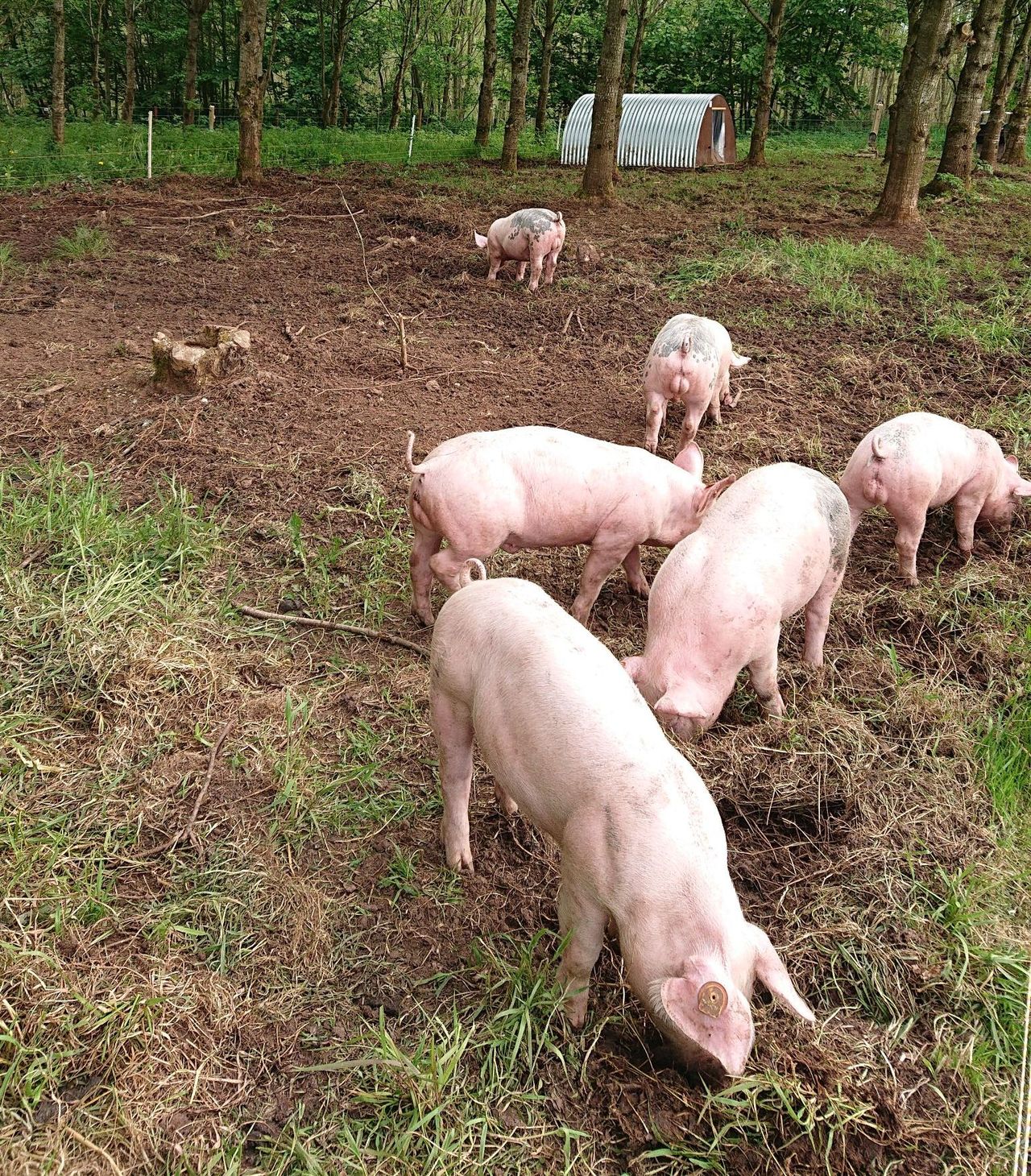
Pigs arrived at eight weeks-of-age (22kg) and stayed on site until approximately 21 weeks-of-age (122kg).
The researchers found that these fattening pigs thrived well outdoors, in both the grassland and agroforestry system, with good health overall.
Average daily gain
The average daily gain (1.01kg/day) of the pigs was comparable to the top 10% of UK indoor finishing herds, and feed efficiency (2.18) matched the top third.
These results were supported by the use of boars and the typically high weaning weights in the AFBI herd.
Pigs in the agroforestry system gained 7% more weight than those on grassland. Although they ate more feed to achieve this, feed efficiency remained similar across both systems.
One of the most notable results was the almost complete absence of tail injury despite pigs being undocked.
A key concerns for any outdoor pig system is parasite burden, which can be difficult to manage once established in the soil.
To avoid preventable problems, AFBI made sure that pigs arrived clean and healthy, including giving them routine anthelmintic treatment.
This approach worked extremely well: no lice or ticks were found during the study, and only a single parasite egg was detected across all the samples collected.
Weather
Throughout the trial, pigs experienced a wide range of weather conditions, including extreme heat, storms, and heavy rain.
As dry shelters were freely accessible at any time, these challenges had little to no negative impact on welfare.
Pigs made good use of the opportunity to be outside. Across both systems, pigs spent 68% of the day outside their hut, far exceeding the 8% required for essential behaviours like feeding and drinking.
The pigs in woodland spent even more time outside and were more active, rooting and exploring more often, which are behaviours associated with high welfare, according to AFBI.
Even during the coldest part of the trial, pigs still spent nearly half of the daytime outdoors, showing that outdoor rearing is possible in Northern Ireland’s climate.
Health issues were rare. Only a small number of pigs showed minor, temporary signs of discomfort such as mild scouring or stiffness, with no cases of lameness recorded.
Tail injuries were almost entirely absent, with just one minor case observed during the entire study.
Superficial scratches were slightly more common in agroforestry pigs, likely due to rubbing or playful behaviour around trees.
Sunburn
One of the clearest differences between systems was sunburn. Only 9% of agroforestry pigs showed mild signs of sunburn compared with 58% of pigs on grassland.
Although tarpaulins provided some shade in grassland plots, tree cover offered far more effective protection.
Sunburn was never severe, but the difference highlights a practical welfare benefit of agroforestry.
Although labour requirements were not directly measured, the study clearly showed that tasks typically carried out quickly in indoor systems – including feeding, moving and inspecting pigs – can require significantly more time outdoors.
Careful spatial planning and weather resilient infrastructure are, therefore, essential to creating labour efficient outdoor systems.
Overall, the study shows that from a performance and welfare perspective, outdoor pig rearing is possible in Northern Ireland, even with our unpredictable weather, and can deliver excellent welfare and acceptable performance.