UK food prices on pace to be 50% higher than five years ago - report

UK food prices are on track to be 50% higher at the end of this year compared to price levels seen five years ago in 2021, according to the Energy and Climate Intelligence Unit (ECIU).
In the ECIU's latest analysis, researchers stated that the rise in food prices from the start of the "cost-of-living crisis in mid-2021" is expected to reach a 50% increase by November 2026.
ECIU analysts noted that such an increase would suggest that the amount of price growth seen in the nearly 20 years prior to the crisis is now set to be achieved in just over five years once this November rolls around, almost quadrupling the pace of food inflation.
The report outlined that a combination of extreme weather driven by climate change, global supply disruptions, and continued exposure to volatile oil and gas markets have compounded pressures on the food system, with households facing sustained increases at the checkout.
Prices
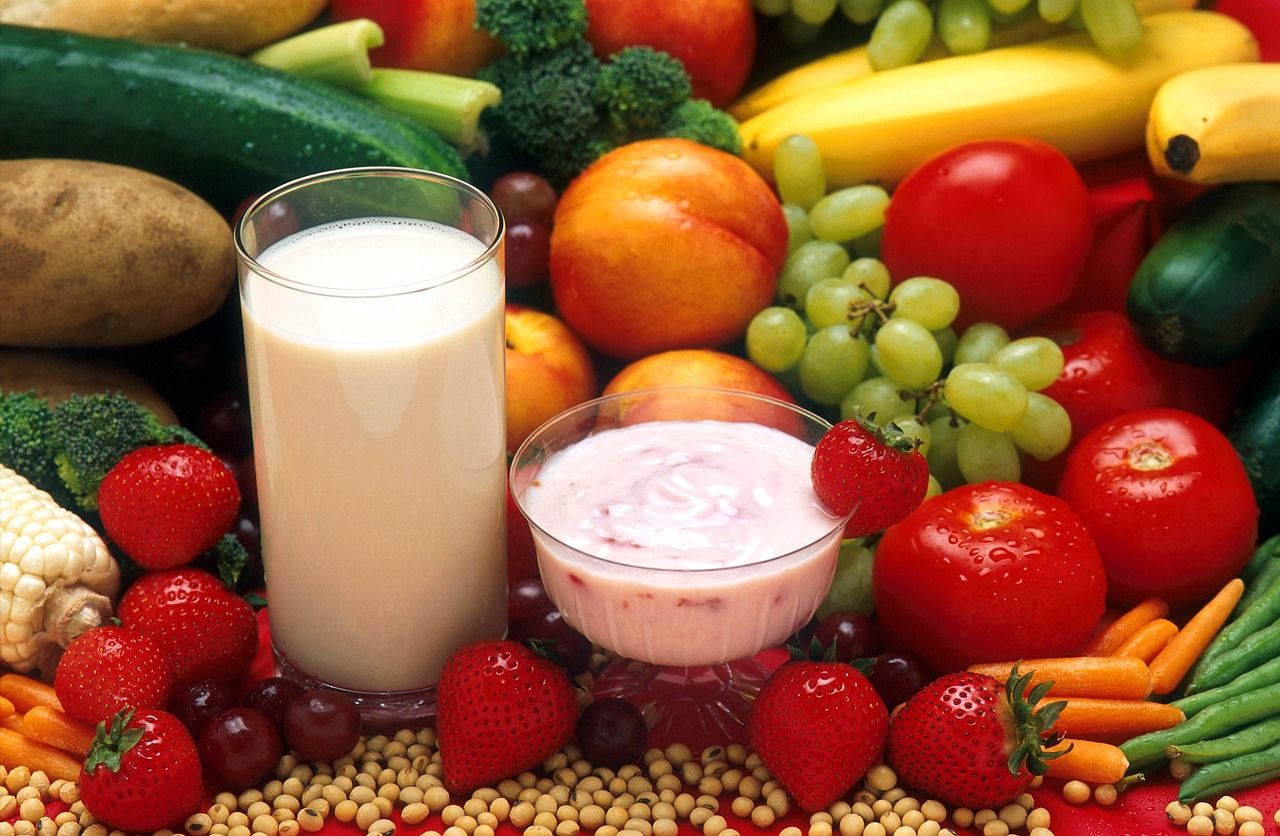
Prices for items such as pasta (+50%), frozen vegetables (+55%), chocolate (+58%), eggs (+59%), beef (+64%) and olive oil (+113%) are reported as some of the steepest rises across supermarkets.
According to the ECIU, these price hikes emphasise how sensitive food items are to volatile oil and gas prices, synthetic fertiliser costs, and climate impacts such as droughts, floods, and heatwaves, both in the UK and in key import regions.
In addition to those items, five "climate-impacted foods" - i.e., butter, milk, beef, chocolate and coffee - have reportedly been responsible for much of the continued pressure on food inflation, with the price of these foods rising over four times faster than any other food and drink.
ECIU
Chris Jaccarini, who is a food and farming analyst for the ECIU, highlighted that the conflict in the Middle East is having a direct impact on shopping bills due to it being linked with oil and gas prices.
Looking ahead, Jaccarani also sugeested that climate change will have more of an impact on food prices next year as "scientists are predicting 2027 to be the hottest year on record."
"Three of England’s worst harvests on record have been in the past five years.
"Unless we get to net zero emissions to stop climate change and bring balance to the system, food prices will spiral ever further, but net zero also means burning less oil and gas, so insulating our food system from the kind of price spikes we’ve been seeing since Russian invaded Ukraine," he commented.
Households
Circling back to the 50% increase, ECIU claimed that these price hikes will likely cause many households to still feel the strain well beyond the initial phase of the cost-of-living crisis, with food remaining as one of the most visible and unavoidable expenses.
When adjusted to how much the average wage has risen over last five years, the analysis calculated food prices to have increased by 11% since mid-2021.
Household costs such as energy (+36%), water (+25%), and insurance (+19%) have also been on the rise midst this "cost-of-living crisis".
As home owners cannot easily cut these costs, the ECIU said that this is intensifying the squeeze on disposable incomes, which has led to more shoppers starting to realise these food prices hikes as many are reportedly already cutting back on food spending.
Lower income households were identified as the most likely group to be "disproportionately affected by higher food prices, as they spend a larger share of their income on food and are less able to absorb price shocks".
Food Foundation
According to the Food Foundation, the poorest fifth of England's population would need to spend 45% of their disposable income on food, rising to 70% for those households with children, in order to afford the government recommended healthy diet.
The executive director of the Food Foundation, Anna Taylor warned that the Middle East conflict will not be the last crisis to drive food prices and she called for government action to prepare for the future.
Taylor added: "Food prices rising this high, and this fast leaves families on the lowest incomes with nowhere left to cut except the food on their plate.
"The question for government isn't just how to respond to this crisis - it's whether we're finally going to build a food system resilient enough to withstand the next one.
"That's exactly what the Good Food Bill would do; lock in a long-term commitment to affordable, healthy food so that the next geopolitical shock doesn't land on the plates of the families who can least afford it."