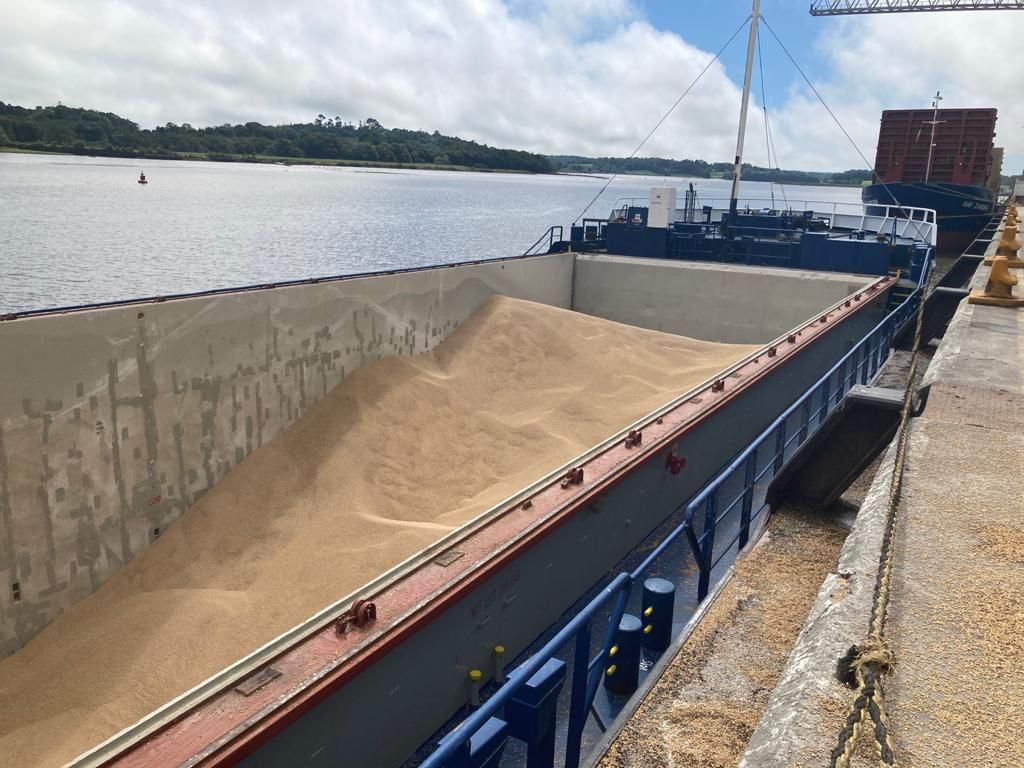
Wheat futures continue to creep up

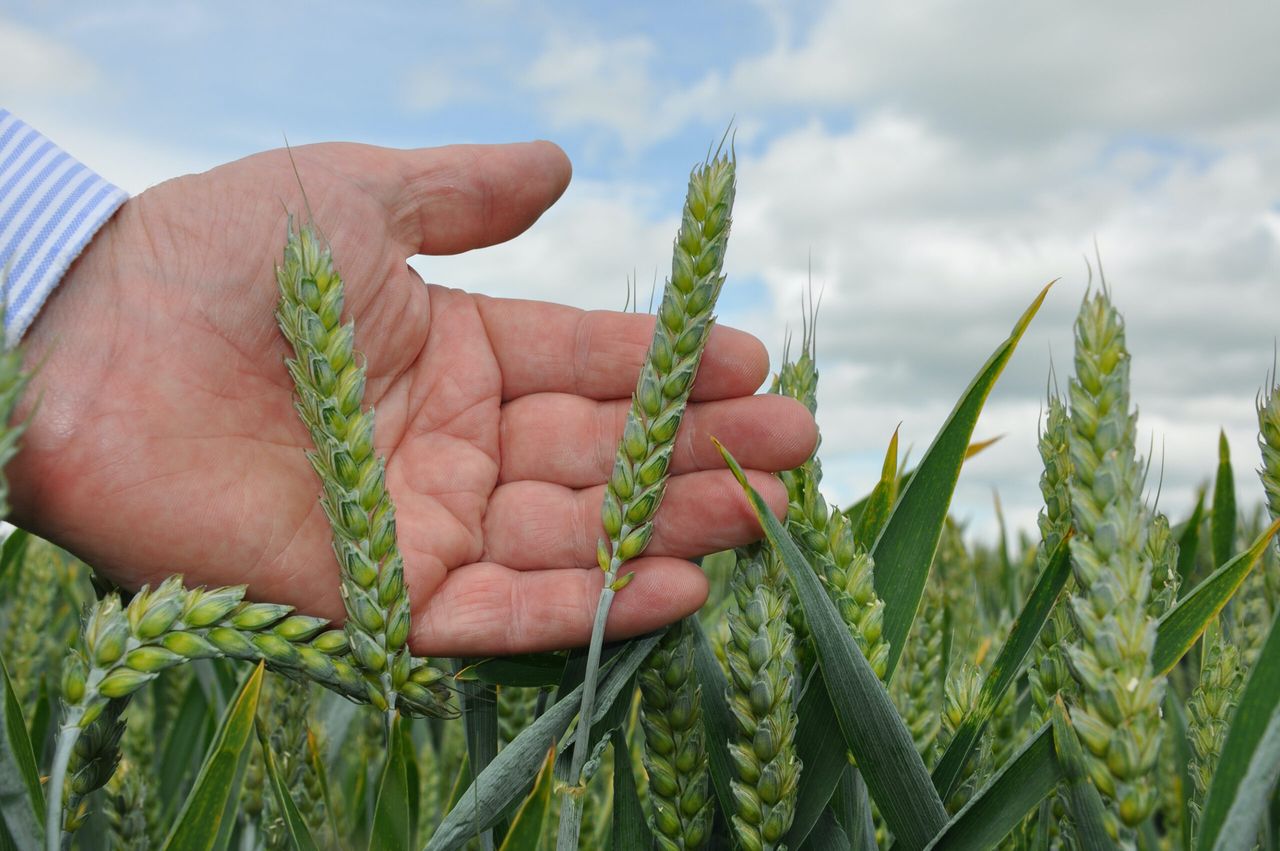
May 2026 wheat futures increased by £3/t in the seven days culminating on Friday (April 17), with the end-of-week price coming in at £176.15/t, according to AHDB.
AHDB analysts have said that international grain markets are still influenced by geopolitical situations, such as the wars in the Middle East and the Black Sea region.
Weather risk is also an ongoing factor, with the focus now on US wheat crop conditions and the US maize planting campaign, which is just beginning.
Recent days have seen Chicago wheat futures (May-26) increase by 3.6%, while Paris milling wheat (May-26) fell by 1.8%.
Prices of Chicago wheat were supported due to concerns about dry weather in the US. The stronger euro put pressure on Paris grain futures last week.
Meanwhile, the currency’s influence could increase soon due to the upcoming interest rate decision by the US Federal Reserve on Thursday, April 29.
Grain production
After the rally in crude oil and fertiliser prices this spring, the competitiveness of grains against other crops has worsened, AHDB said.
As a result, a reduction in the area dedicated to cereal production in the future is a “distinct possibility”.
According to the Grain Industry Association of Western Australia (GIWA), the 2026 wheat area in Western Australia is forecast to fall by 17% to 3.68 Mha, which would be the lowest level since the 1992/1993 season and is down from 4.45 Mha last year.
GIWA also forecasts an 8% larger barley and 33% larger oat area in the state.
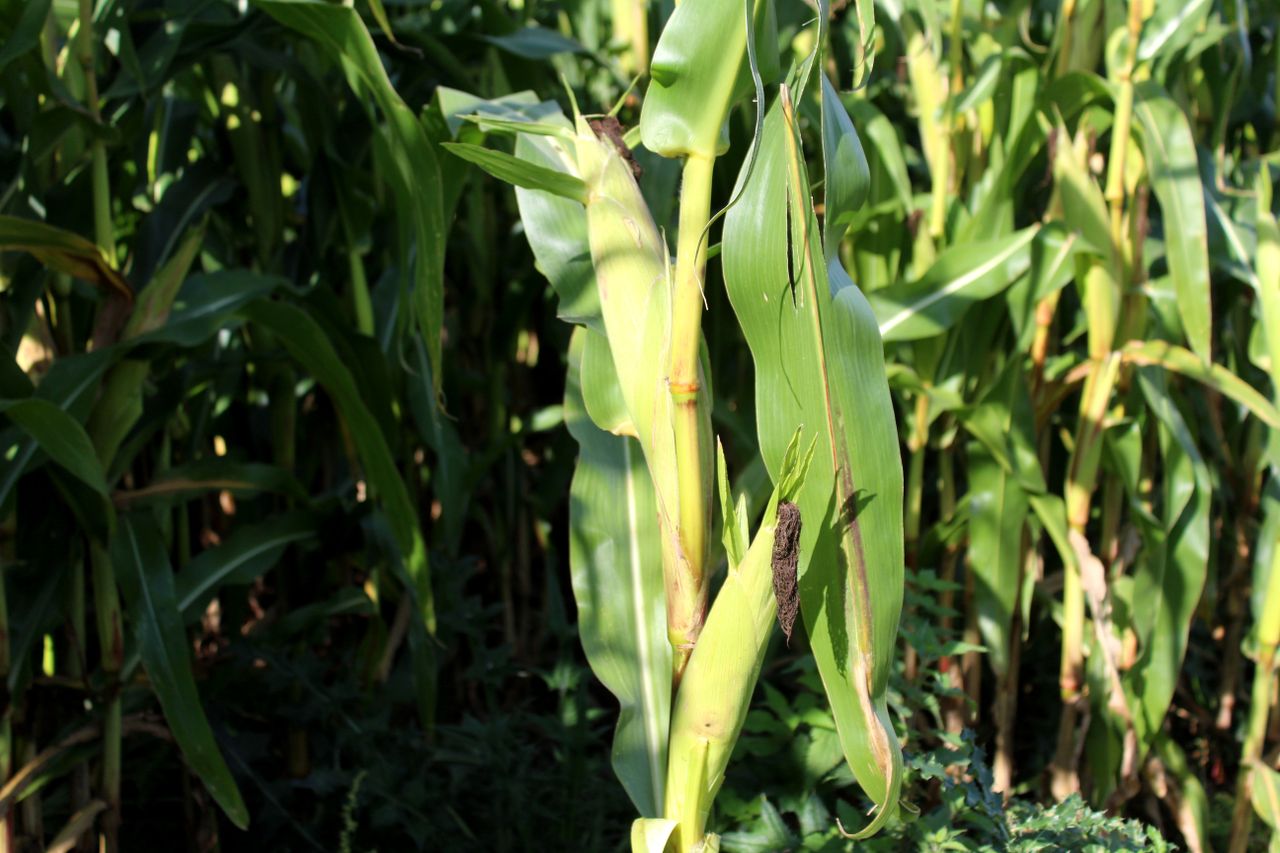
Meanwhile a French growers’ group has said that the area of France planted with maize could fall by 10–15% this year due to low prices plus higher energy and fertiliser costs for producers (LSEG).
On the other hand, the prospect of a higher level of maize production in South America is putting pressure on price sentiment in the short-term, as the Brazilian safrinha crop has not been impacted by a severe weather event.
Last week, the Rosario Grains Exchange announced that Argentina’s 2025/2026 maize harvest is expected to reach a record 67.0 Mt due to higher area data, up from its previous estimate of 62.0Mt and 50.0Mt in the 2024/2025 season.
Longer term, the jury is still out on how higher fertiliser and fuel prices will impact on future grain prices around the world.
Any hint of production levels falling on the back of these trends could act to significantly strengthen grain market sentiment.