

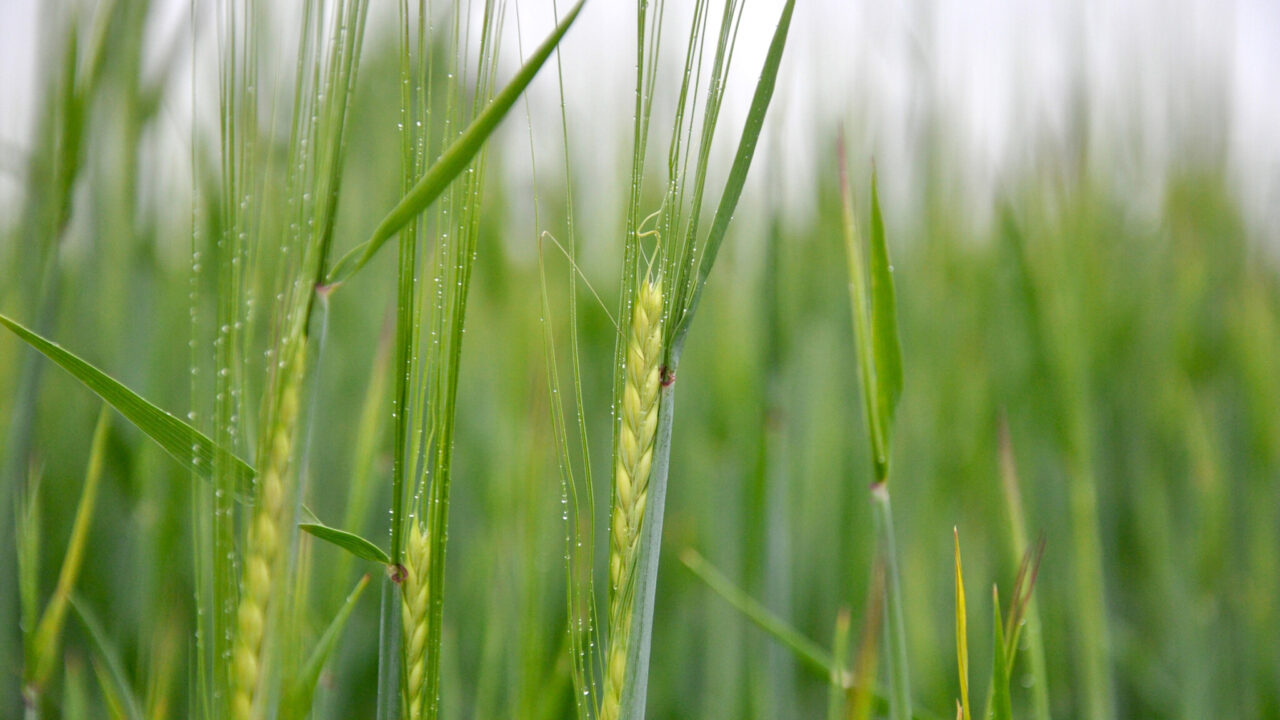
The Agricultural and Horticultural Development Board (AHDB) is confirming that the majority of winter barley crops are looking well across most regions of the UK.
In terms of development, the crops are ranging from tillering to Growth Stage 31.
Growers are uniformly reporting that crops are generally clean with good establishment levels achieved.
Winter barley
Yellowing is common in winter barley, largely due to nitrogen deficiency.
In Eastern England, crops initially improved after fertiliser application but have since lost some colour again.
Meanwhile in Scotland, deficiency symptoms are more pronounced than in wheat.
Northern Ireland reports mixed responses, with some crops showing strong recovery following early nitrogen, though plant growth regulators (PGR) will soon be needed.
In the south-east of England, most growers have either completed or are just about to apply their second nitrogen application.
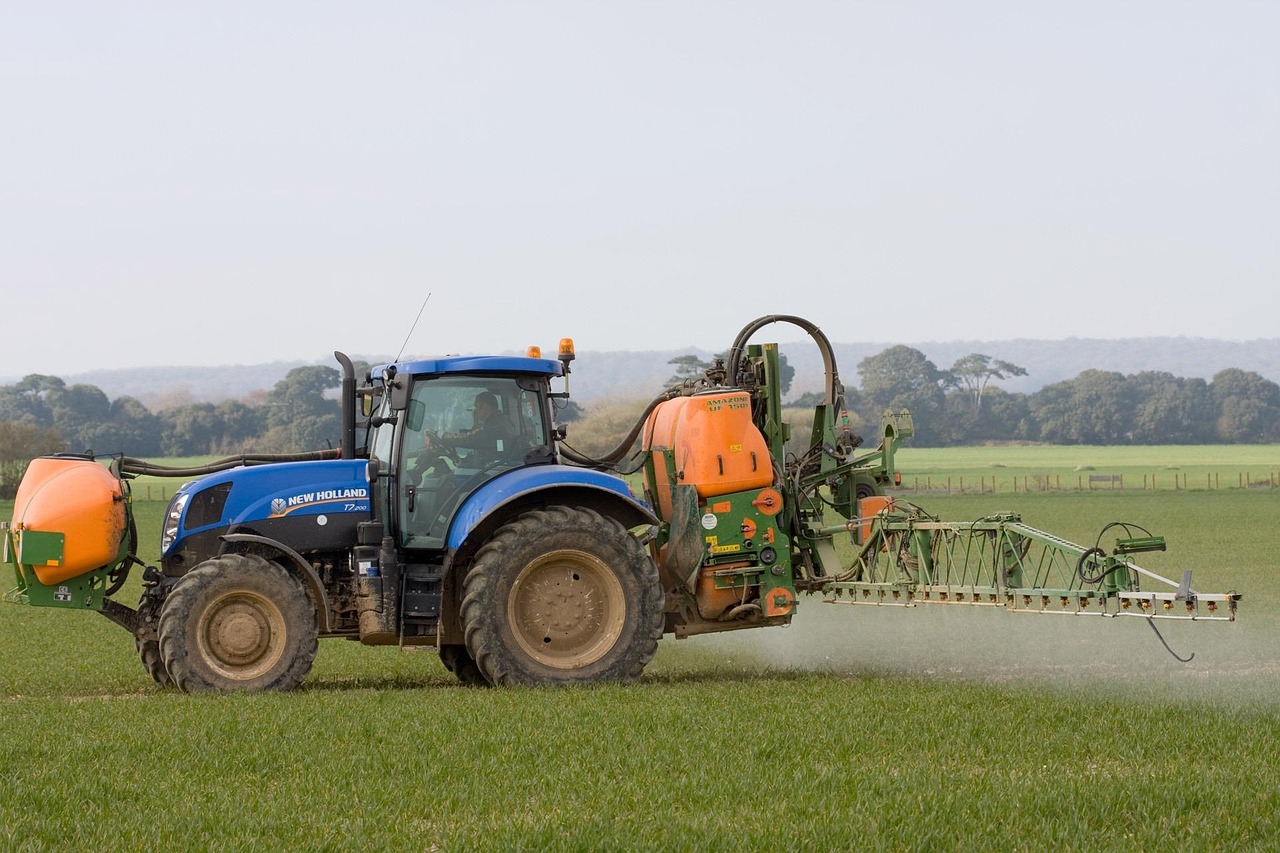
Weed control in winter barley is generally good, with residual herbicides performing strongly across the UK.
Autumn treatments have been particularly effective in Northern Ireland, and East Midlands’ growers report excellent grass weed control following cinmethylin applications.
Pest pressure has increased slightly, with BYDV symptoms becoming more noticeable and some patchy plant losses where gout fly and virus stress have combined.
Reddening from cold weather and aphid activity is evident in places. Gout fly has been reported in the West Midlands and Scotland, while eastern regions note lighter activity compared with wheat.
Disease levels remain relatively low overall, though brown rust, net blotch, and rhynchosporium are present at varying levels, depending on variety and local conditions.
Brown rust is most evident in hybrids in Yorkshire and the East Midlands; it is also present alongside net blotch in the east of England.
Meanwhile, South-West England is also seeing some net blotch, with most crops now having received T1 fungicides, while Scotland reports only low levels of rhynchosporium.
Like winter wheat, prospects for 2026 winter barley are reported to be very good, with 85% of the crop rated good-to-excellent.
This is down from 89% in November but notably up in comparison to last March, when just 70% of the crop was rated good-to-excellent.
Winter oats
Winter oats are growing well, with crops ranging from tillering to GS31. Most have recovered significantly from the earlier wet period and are now showing good, even development across fields.
Nitrogen applications are now underway on winter oats, with rates and timings varying by region.
In South-West England, around 50kg N/ha has been applied at tillering to support early growth, while in Northern Ireland, growers have delayed first applications due to concerns about lodging on strong, forward crops.

Weed pressure remains very low in winter oats, with no significant issues from broad-leaved weeds reported.
Pest activity is minimal, though some reddening from cold stress and aphids has been observed.
In the West Midlands, aphids are present, but no BYDV symptoms have appeared.
Disease pressure is also low overall, with only light levels of powdery mildew seen in some crops including in reports from Scotland, and no major problems have been identified so far.
Prospects for 2026 winter oats are reported to be very good, with 88% of the crop rated good-to-excellent, up from 87% in November.
Furthermore, the crop is improved in comparison to last March, when 73% of the crop was rated good-to-excellent.