

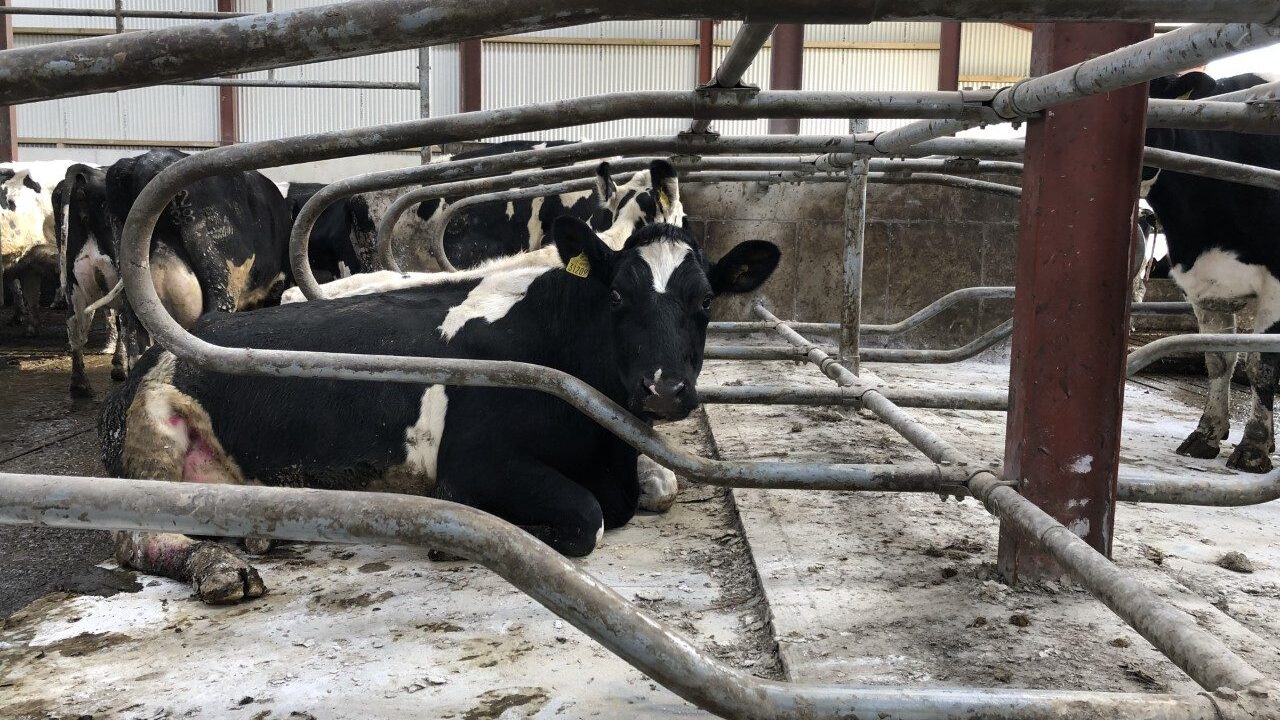
With calving fast approaching and even having started on some farms, the risk of cows contracting mastitis increases dramatically.
A cow’s transition period is the three-week period prior to calving up to the three weeks post-calving, therefore a lot of the herd are now in their transition period and need careful management to prevent the scourge that is mastitis.
During this time, the riskiest period for a cow is the two weeks before calving as they begin to experience changes in their body which can weaken their immune system making it easier for infection to cause problems.
Therefore, regular monitoring and good hygiene practices are essential in preventing mastitis during this time while the cow is particularly susceptible to infections.
One of the best and most simple ways to keep infections at bay ahead of calving is to keep brushing and liming cubicles as well as scraping the passageways.
Farmers also need to focus on the herd’s diet and mineral supplementation to ensure cows are calving down at the correct body condition score, preventing mastitis, as well as difficult calving and negative energy balances (NEBs).
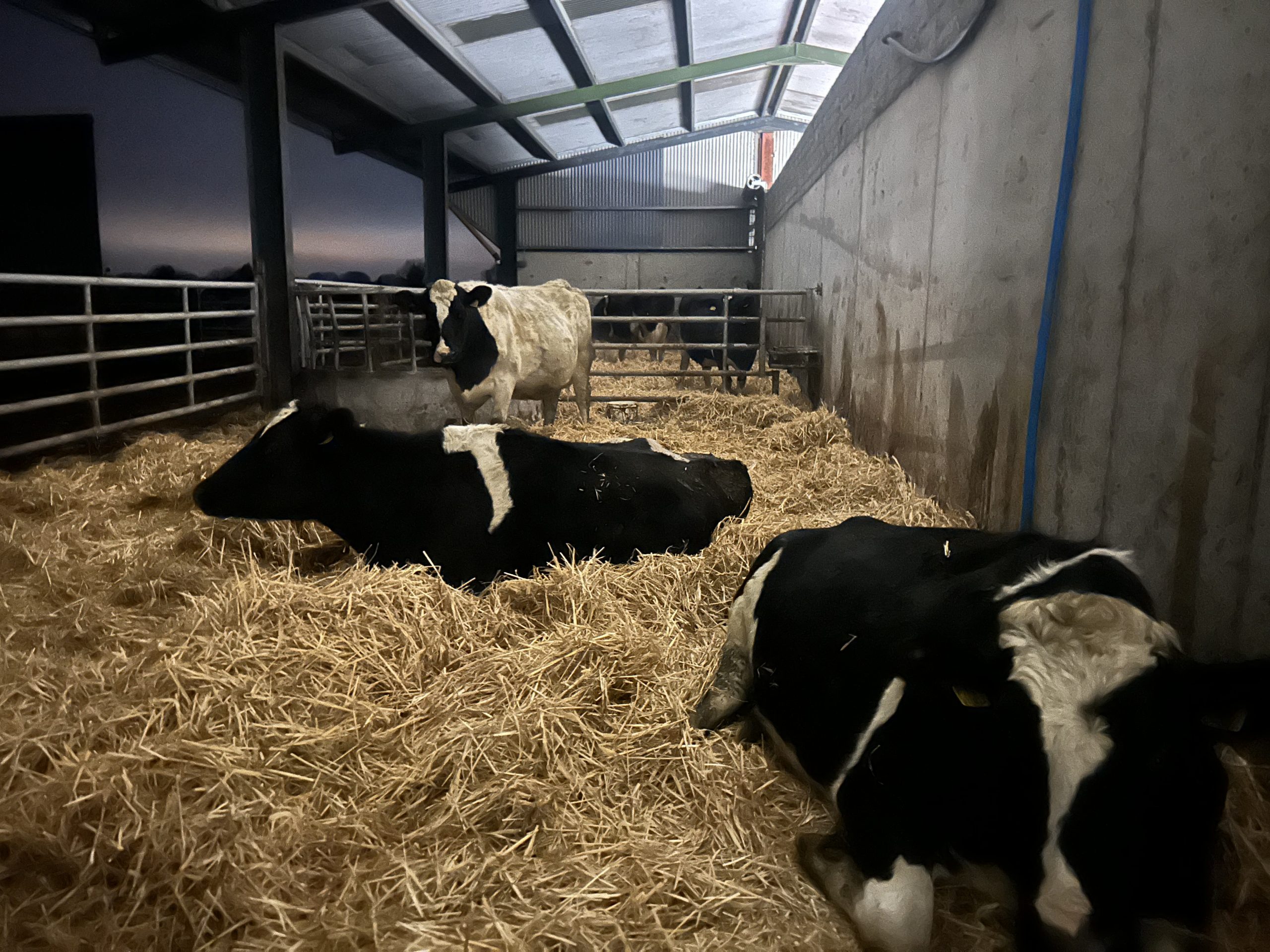
Calving is already a highly stressful time for cows and especially heifers, which will result in climbing somatic cell counts (SCC).
However, stress needs to be minimised by keeping a calm environment with no shouting or harsh movements/herdings.
Keeping mastitis at bay
Keeping cubicle beds clean and dry is essential for mastitis prevention, so making sure you use adequate lime without causing teat burring is crucial.
The recommendation is to use 1t of lime for every 20 cows which is 50kg/cow for a five-month winter. That is 32kg per day over 150 days of liming for milking/dry cows.
With lime costing anywhere between €180-280/t, depending on the product and supplier, farmers should be fitting brisket boards as a secondary cost-effective way of keeping the cubicles clean.
When liming cubicles, ensure you follow the necessary health and safety steps such as wearing goggles and gloves, as well as storing lime close to cubicles in something such as an IBC tank.
Dairy cows excrete bacteria through their faeces which combines with warm, moist bedding, and increases bacteria levels by more than a million-fold, therefore cleaning and liming cubicles twice-a-day should reduce the bacterial load and reduce mastitis.
Cows also need 1.1 cubicles per cow to ensure enough space for each cow to lie down in comfort as overcrowding worsens the risk of mastitis.
Hygiene scoring cows
Hygiene scoring is a great indicator of how clean your facilities are, how effective your hygiene management practices are and how well kept the overall cow environment is.
It is done through regularly assessing the cleanliness of key areas such as the udder, flank and legs of the cows.
Monitoring cows is one thing, but it is also crucial to assess the cleanliness and conditions of the housing and management practices.
Main passageways and walkways should be cleaned frequently or if automatic scrapers are in operation, they should be timed for every three to four hours or six times/day.
Ensure that there is enough feed space with approximately 0.6m/cow and that water troughs are cleaned and functional with a minimum of three water troughs for every 50 cows.
The management of calving pens is essential as bedding material should be stored properly and kept dry, as damp bedding can encourage bacterial growth with a recommendation of 55kg/straw/cow/week.