

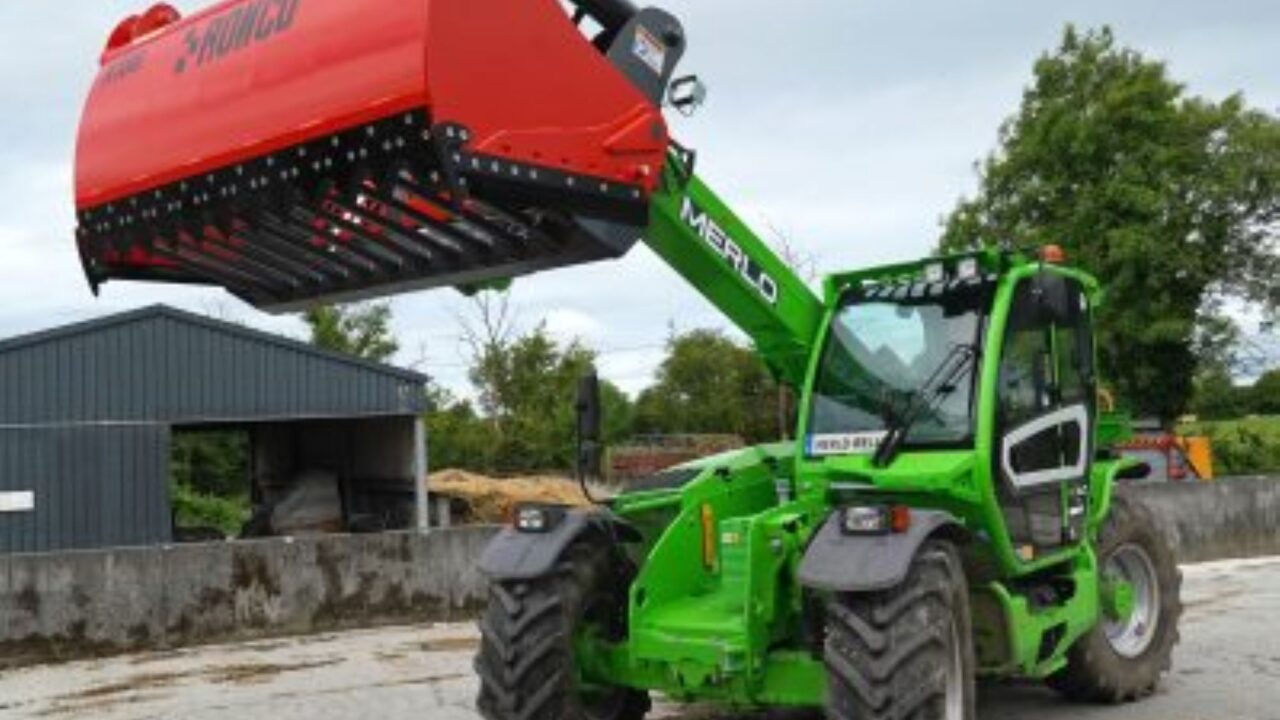
A week out from the start of spring, farmers will be hoping the housing season will be soon behind them, meaning silage feeding will be slowing down.
However, as the rain continues to fall, farmers will not be long thinking about the unpredictability of Irish springs.
Therefore, as cows’ diets become more important, making sure the shear grab is well maintained is as essential as ever as you finish out the silage.
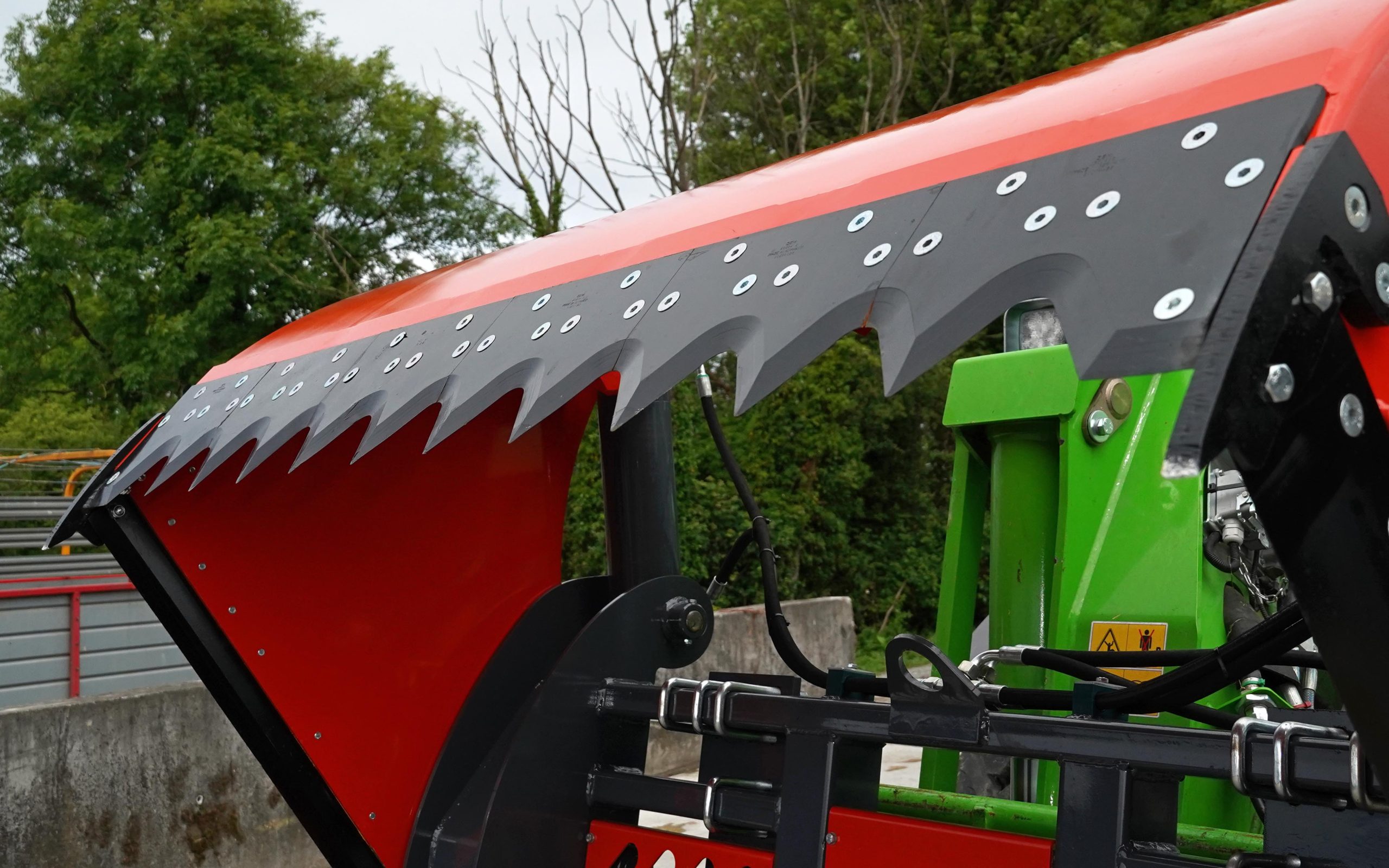
Following the long winter and countless hours of feeding, the biggest issue with the shear grab is most likely dull blades.
This means the grab will not be cutting efficiently, putting pressure on other parts of the machine, which may cause structural cracks and damaged pins.
As well as this, dull blades will take longer to cut through the silage, and leave an uneven finish to the face of the silage pit which will cause more spoilage.
This is why taking the time to service the grab is a good use of your time this January.
Shear grab maintenance
Sharpening the blades of your shear garb will not take much time, and you will not need to use many tools for the task.
When the shear grab is on the tractor, place the base on the ground and open the mouth fully.
This is always a dangerous position, so make sure there are no children around, hydraulics are attached properly, locking pins in place, and use something solid as a prop to keep the grab up in case the hydraulics do fail.
Before starting the task you should also locate a pair of heavy duty gloves to protect your hands from the sharp blade.
Using a medium grain flat file, start sharpening the chamfered face at a 45° angle, only drawing the blade towards yourself and working from the top to the bottom.
Once you have all the blades done, carry the same process out on the edge to remove any burr.
A lot of farmers reach for the angle grinder to sharpen the blades, and although it makes for a speedy process, it actually destroys the temper in the blade making the grabs life span much shorter as the blades begin to brittle and crack.
Another factor you may need to consider is the tines; if the tine is bent it may need to be fully replaced before causing damage to the rest of them. Tines can cost anywhere between €50 and €90 depending on dealer/manufacturer/size.
You may also need to change out the bushings and pins, and they will most likely need a greasing.
Check the hydraulic ram for any corrosion or leaks, changing any seals or connections if necessary.
Hydraulic pipes also need to be checked for any signs of wear or brittleness; if they are looking worn, change them now rather than waiting for them to blow. If they do blow it will cost you a lot more in time as well as making a mess.