Machinery
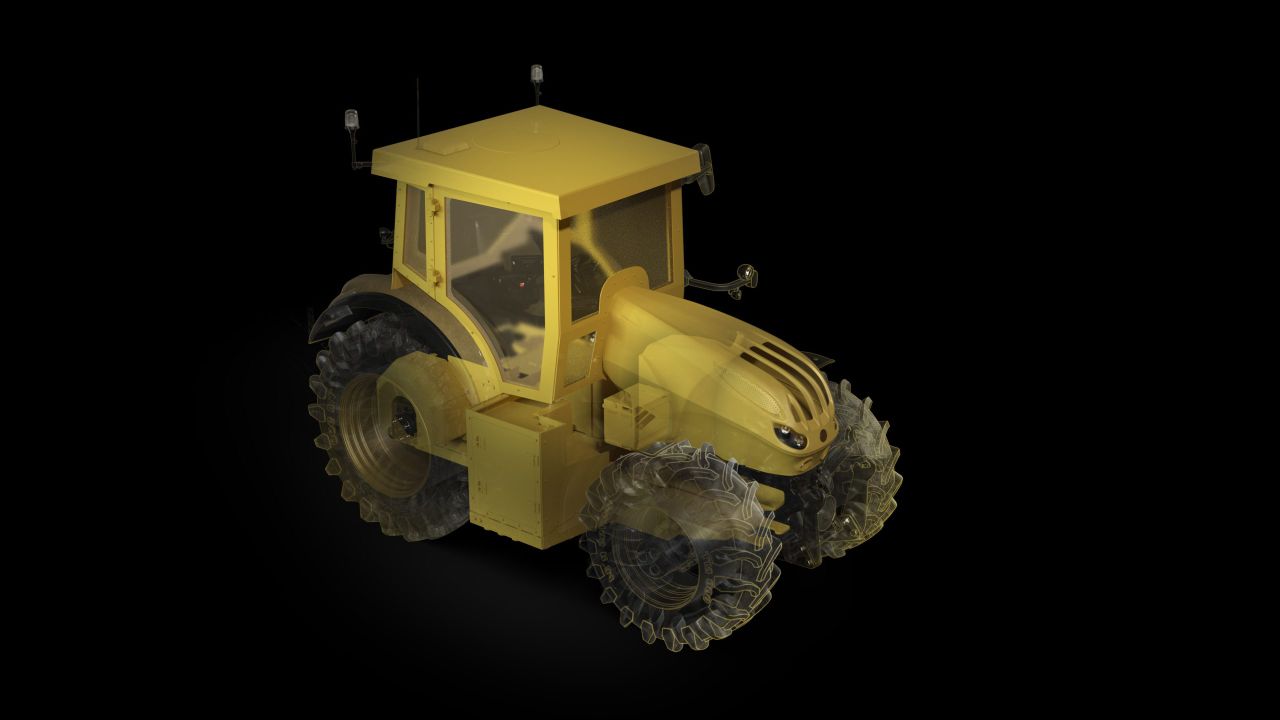
Steyr has joined up with ballistics engineer Mehler Protection to design a light-armoured...
Arable
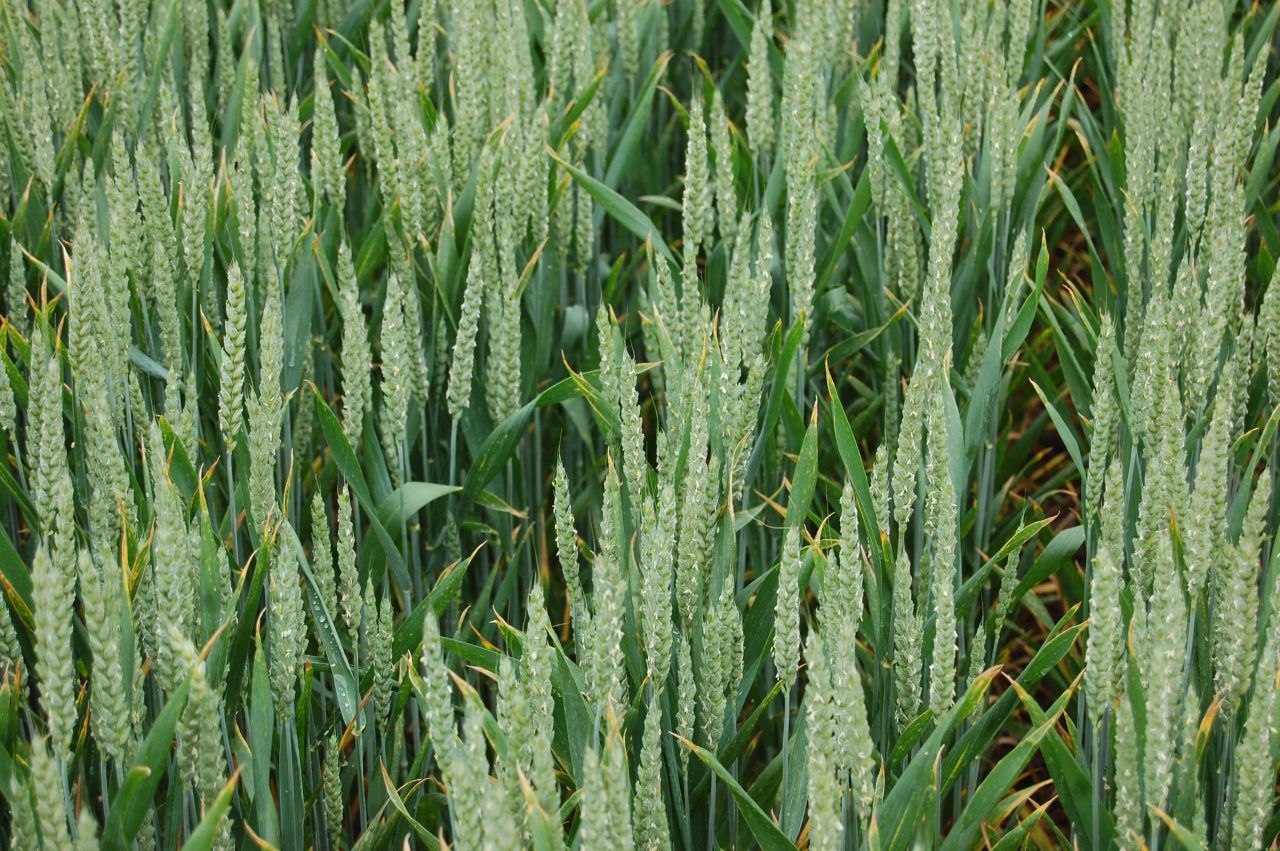
There is general agreement amongst agronomists that the recent rains came at the right time for...
N.Ireland
A new cash reward to tackle rural crime across some parts of Northern Ireland has been launched...
Department of Agriculture, Environment and Rural Affairs (DAERA) Minister Andrew Muir has announced...
Agri-Business
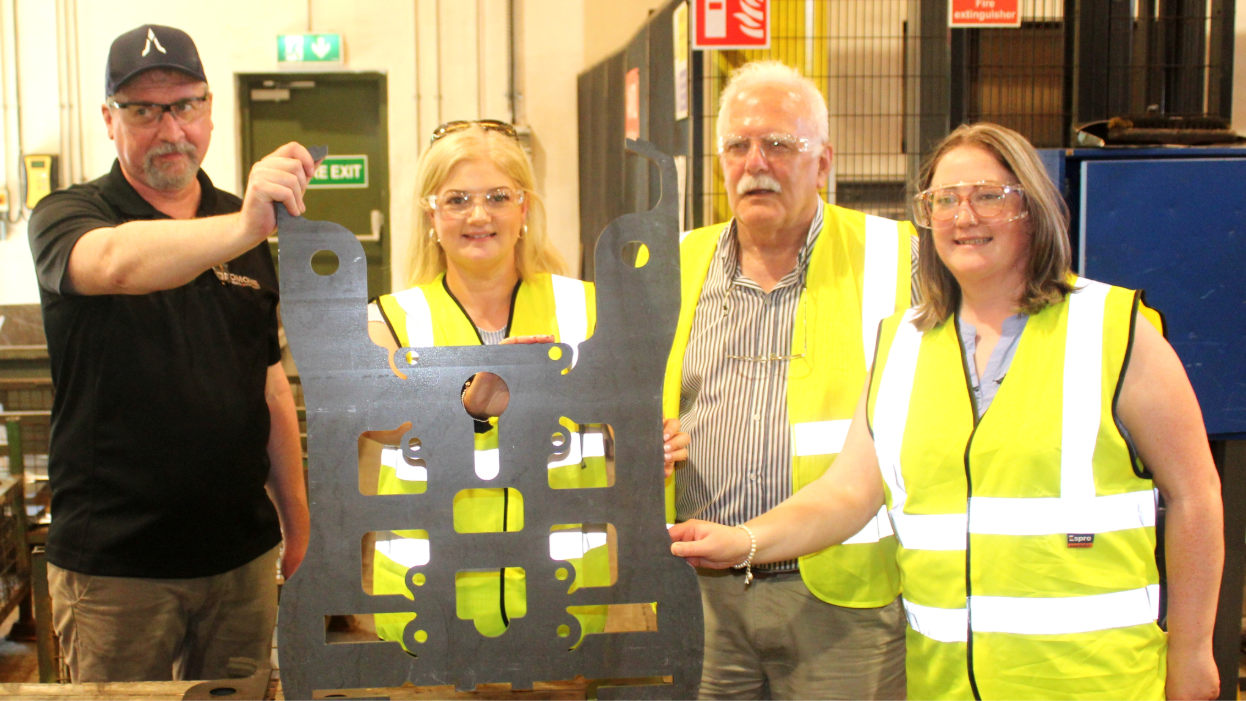
Artificial intelligence (AI) will be used to drive forward Ireland’s farm machinery manufacturing sector into the future was one of the messages from a site visit this week to a business which supplies most of the world's big tractor brands with hitches.
DEFRA
The UK's agri-food sector is set to benefit from £80 million in new export opportunities this year, according to Defra.
UUP's Diana Armstrong has praised the hard work of NI farmers for ensuring food production continued despite extremely challenging weather.
Vets
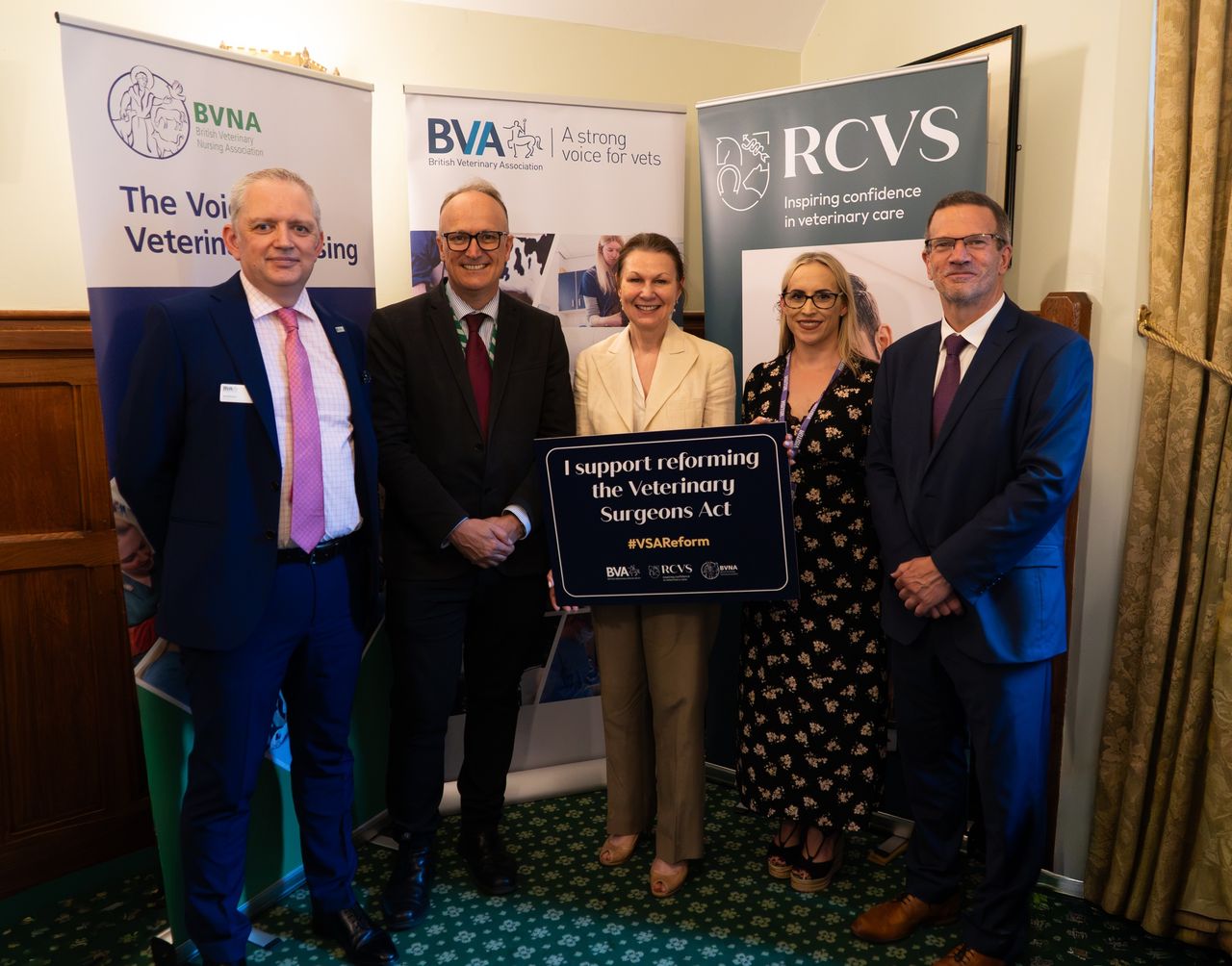
Several MPs have pledged support for the reform of the Veterinary Surgeons Act this week, according to the British Veterinary Association.
Industrial action by veterinary staff of the Department of Agriculture, Environment and Rural Affairs (DAERA) in Northern Ireland continues.
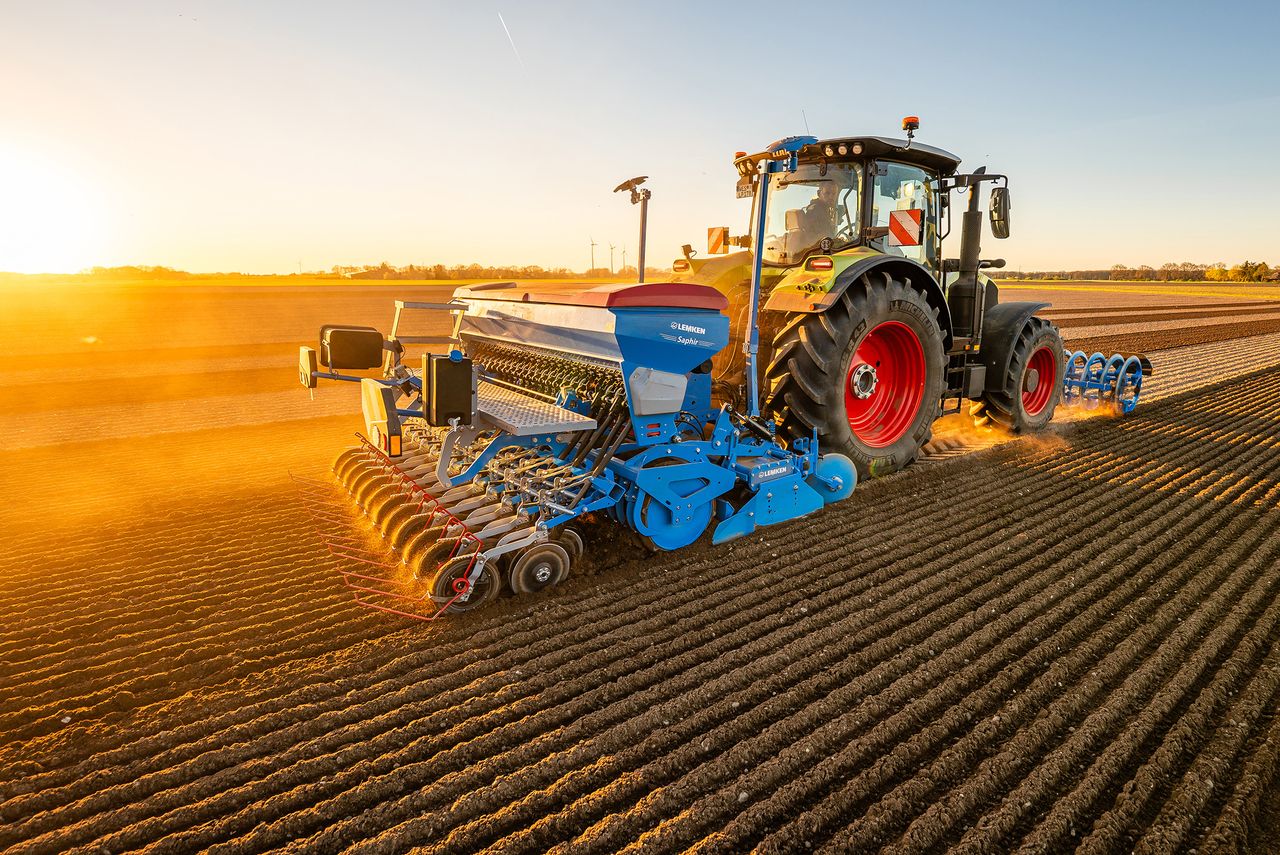
Lemken is releasing a new seed drill, with a major focus on improving precision, usability and area coverage.
Agri Politics
Several UK farming organisations have called for action from Defra to match the ambitions outlined in its new Farming Roadmap.
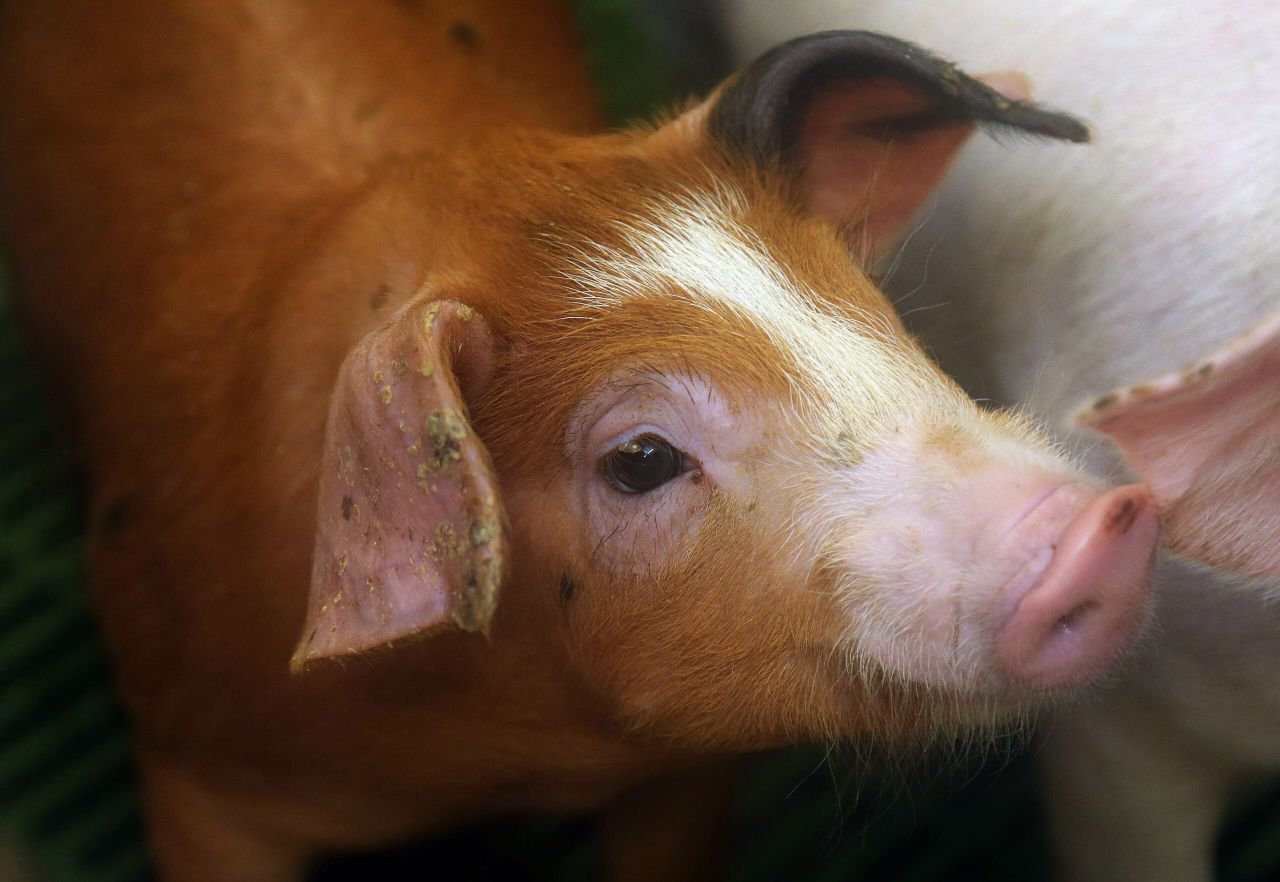
Farmers could save up to one piglet per litter by focusing on the wellbeing of pigs born late in the farrowing process.
Farming Roadmap
Defra has claimed that its new Farming Roadmap "marks the most significant moment for English agriculture since the Second World War."
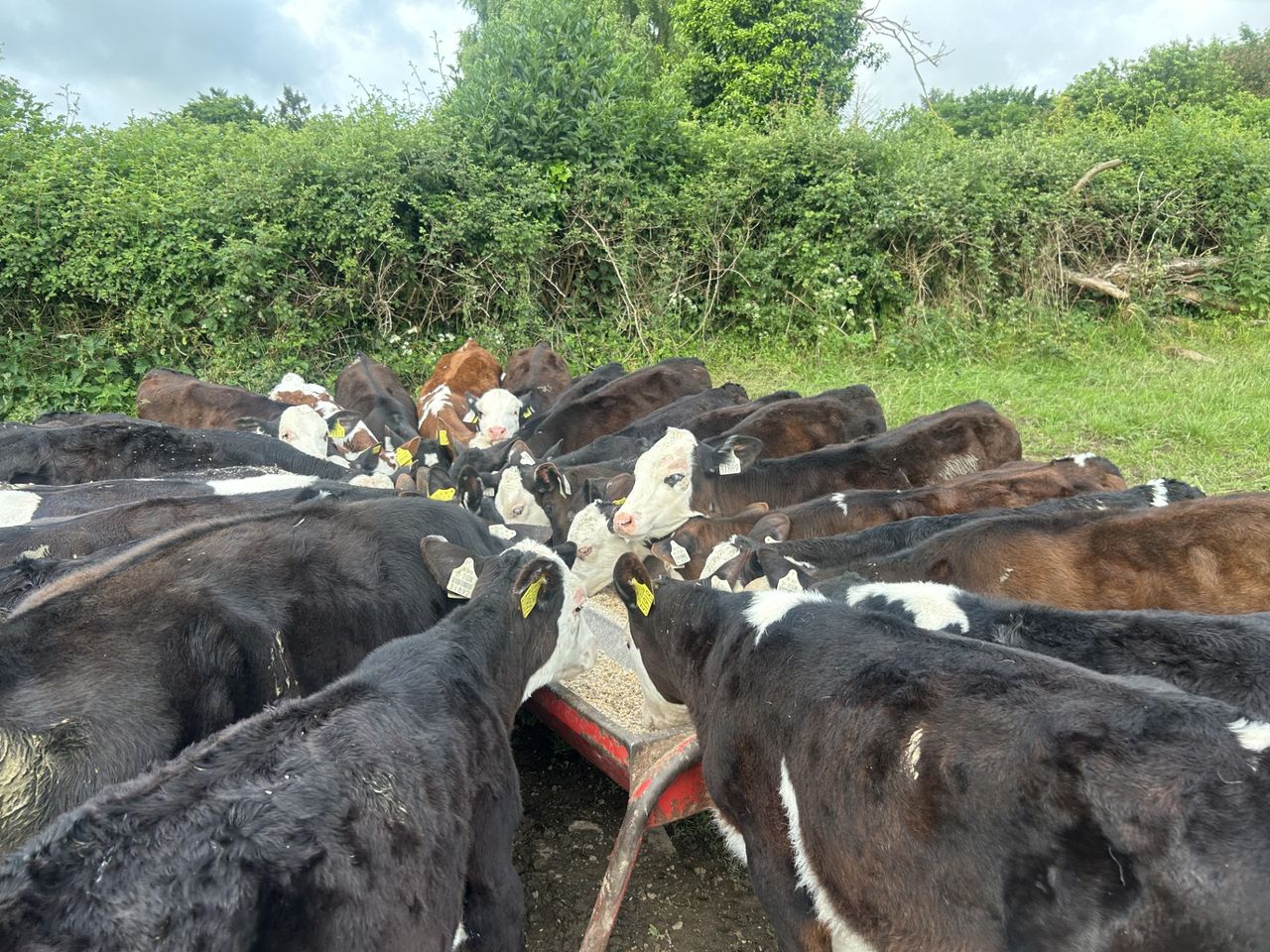
A judge has banned a Northern Ireland farmer from keeping animals after a welfare investigation led to 19 calves being euthanised.
Eight agricultural workers have died on farms in Northern Ireland due to falls from height since 2020, according to the HSENI.
Take-home grocery sales increased by 2.4% in the four weeks to June 14, 2026, according to the latest data from Worldpanel by Numerator.
A further investment to improve water quality in Lough Neagh needs to deliver "practical, properly funded support" for farmers on the ground.
First year payments of the Suckler Cow (SC) Scheme are now underway, the Department for Agriculture, Environment and Rural Affairs said.
DAERA has published the criteria for the mandatory use of interferon-gamma (IFN-g) blood tests for bovine TB in Northern Ireland.
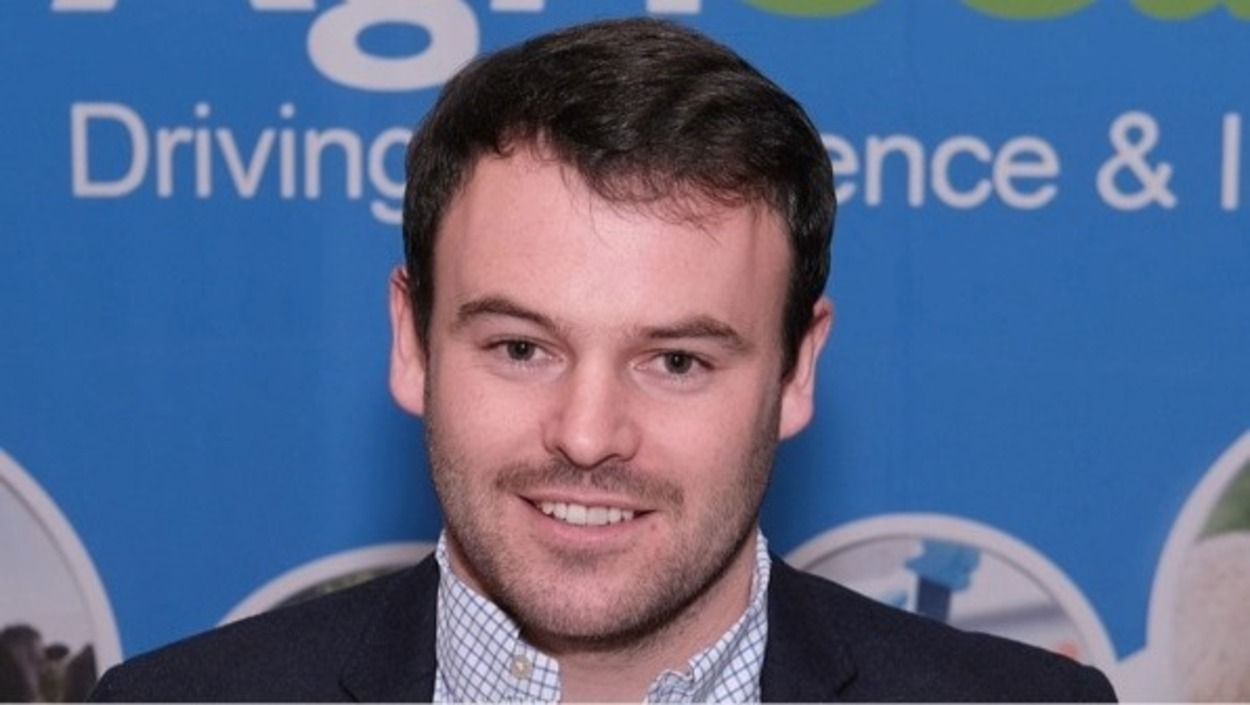
Sean Kane has been appointed as the new CEO of AgriSearch, the Northern Ireland Agricultural Research and Development Council.
Environment
A total of €56.7 million will be invested in the all-island cooperative Lough Neagh Catchment...
Dairy
The average farmer begins calving down on February 1 and finishes up within nine weeks, that means...
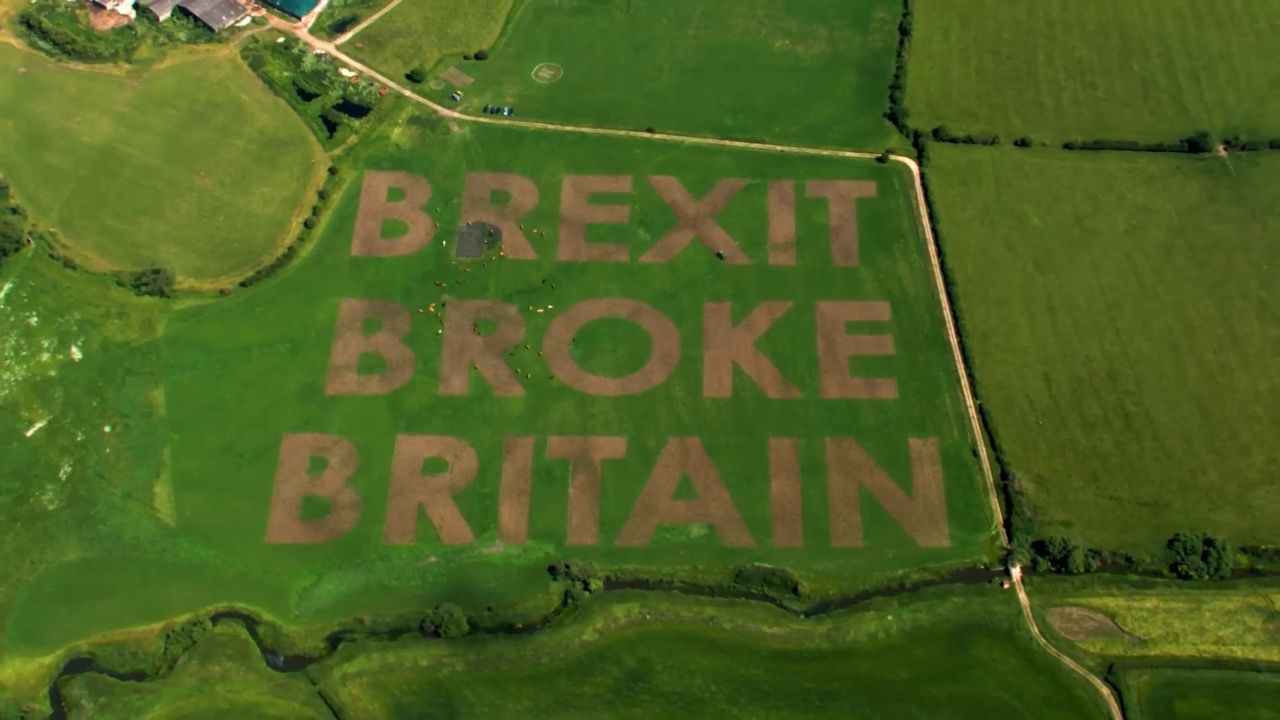
A message saying "Brexit broke Britain" has been etched onto a field in Wiltshire, England, on the...
The case has, once again, been made for the Stormont Executive to directly fund local agricultural...
Northern Ireland's Minister for Agriculture, Environment and Rural Affairs, Andrew Muir, has...
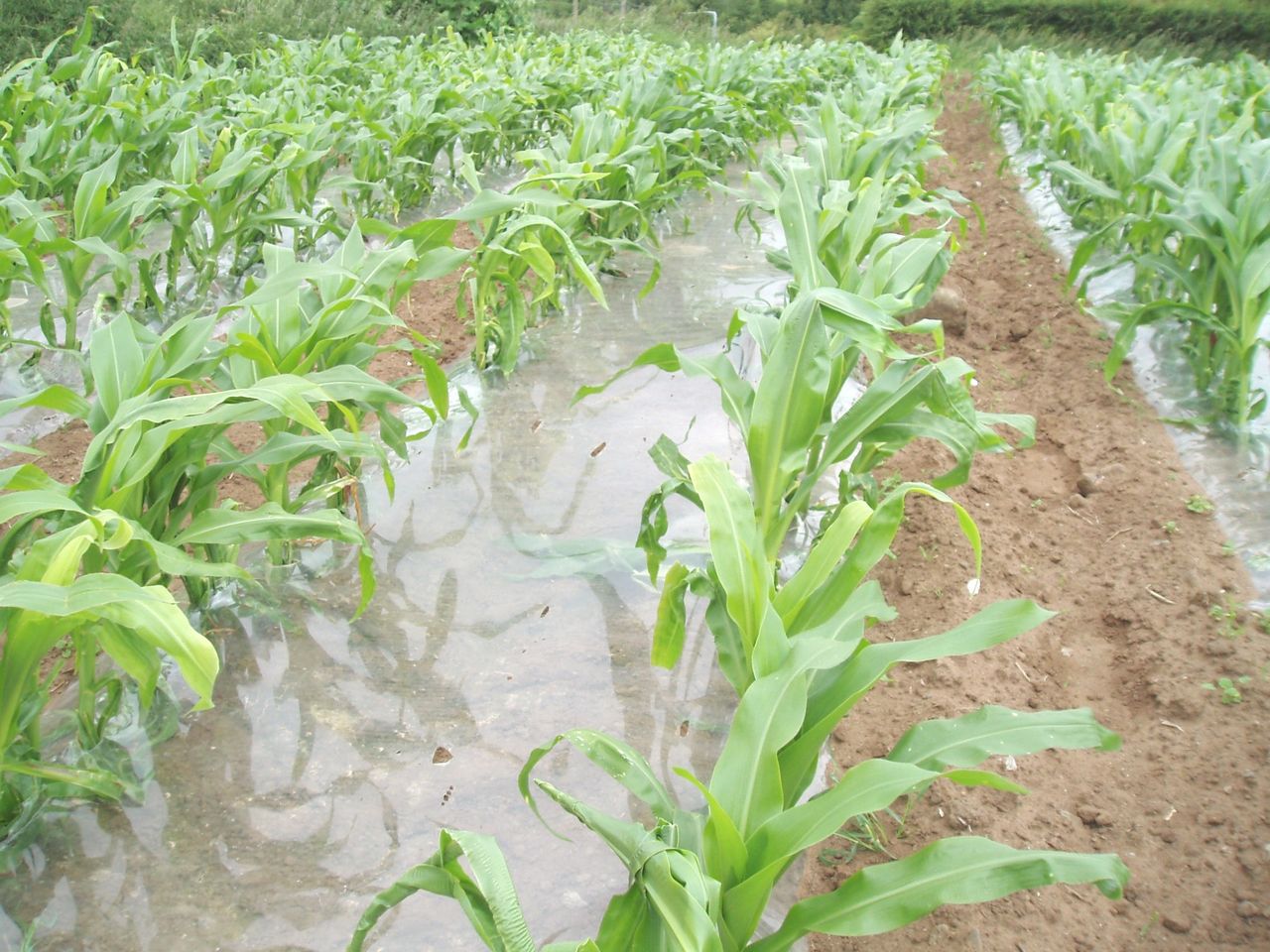
According to the Potash Development Association (PDA), forage maize is a uniquely responsive crop...
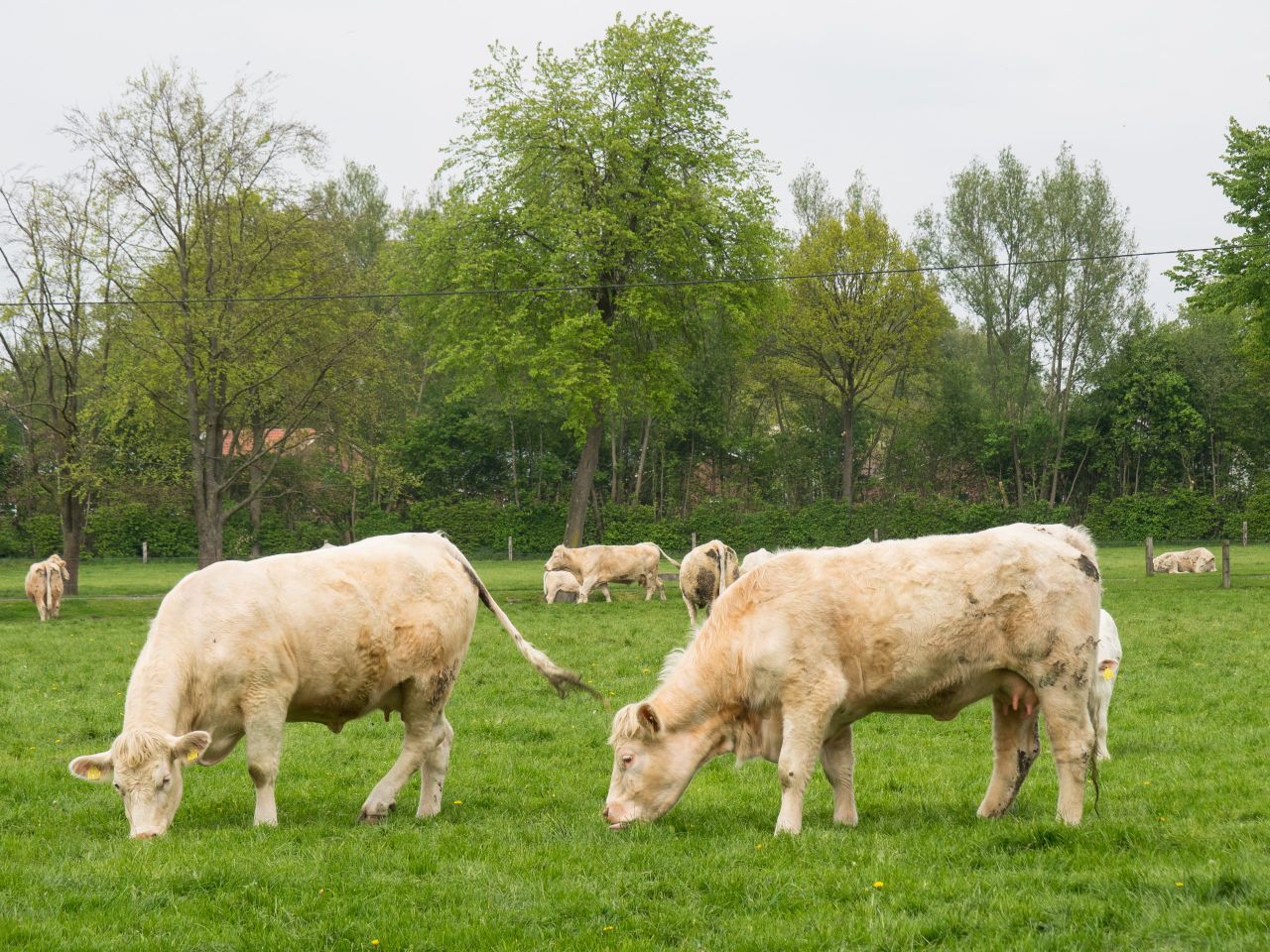
Northern Ireland’s Livestock and Meat Commission (LMC) wants to further develop the range of...
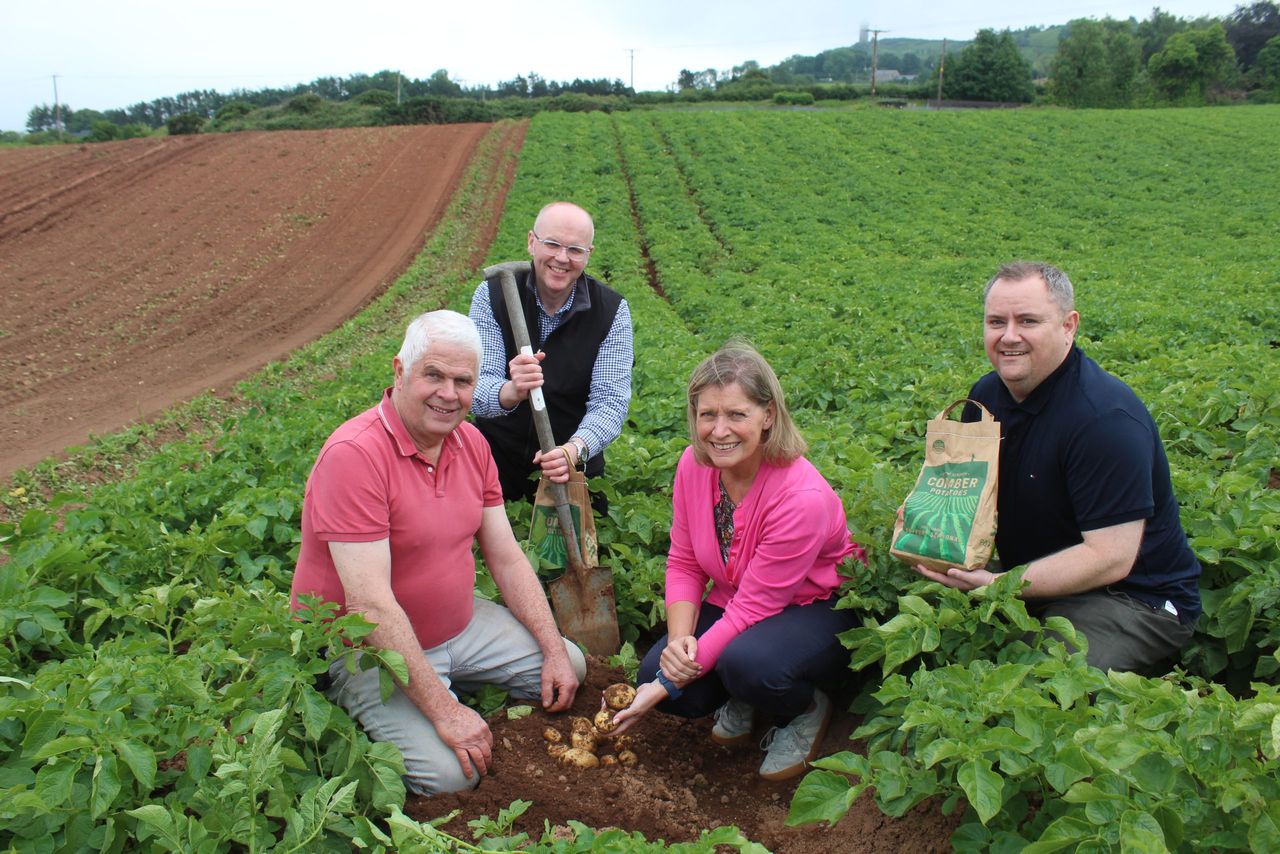
Digging ‘Comber Earlies’, the traditional start of the potato harvesting season in Northern...
Keir Starmer has announced today (Monday, June 22) that he intends to resign as the UK's Prime...
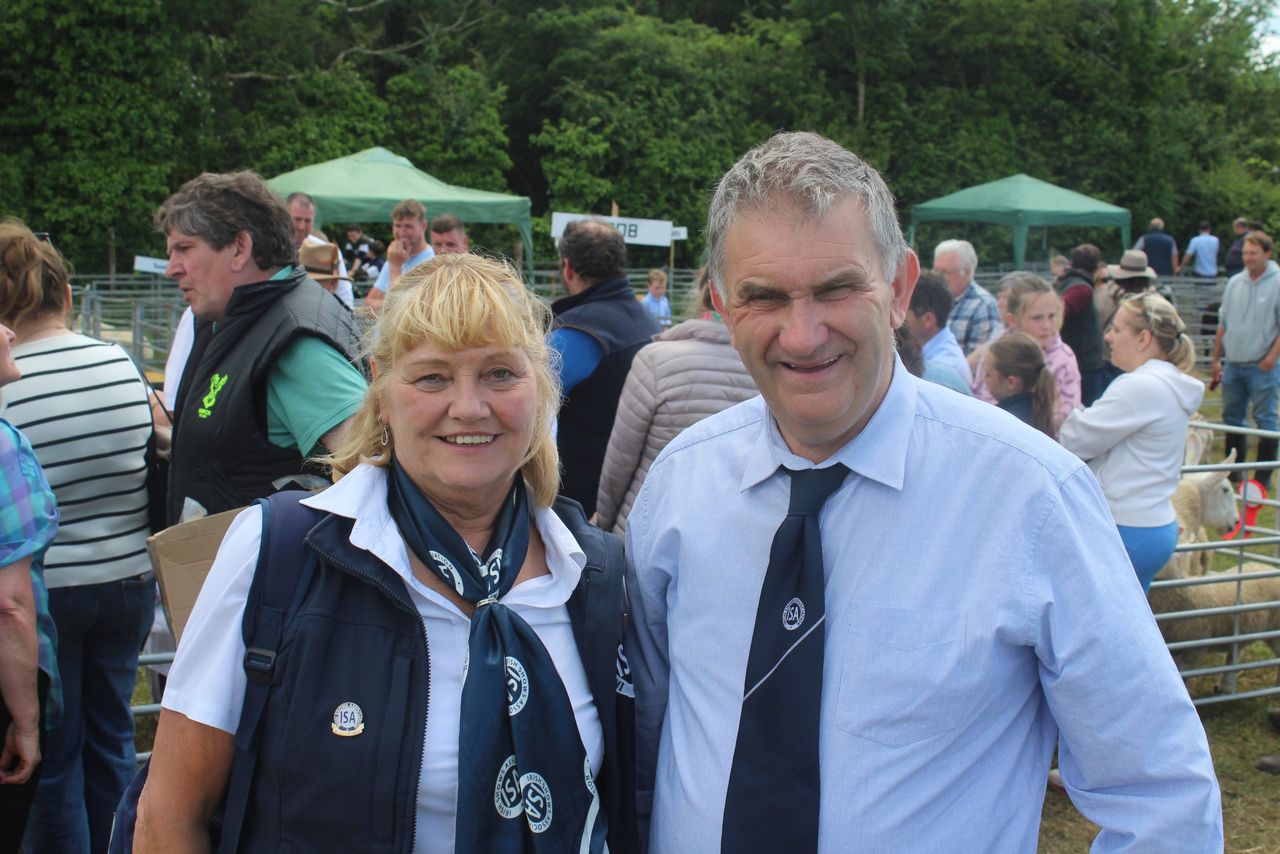
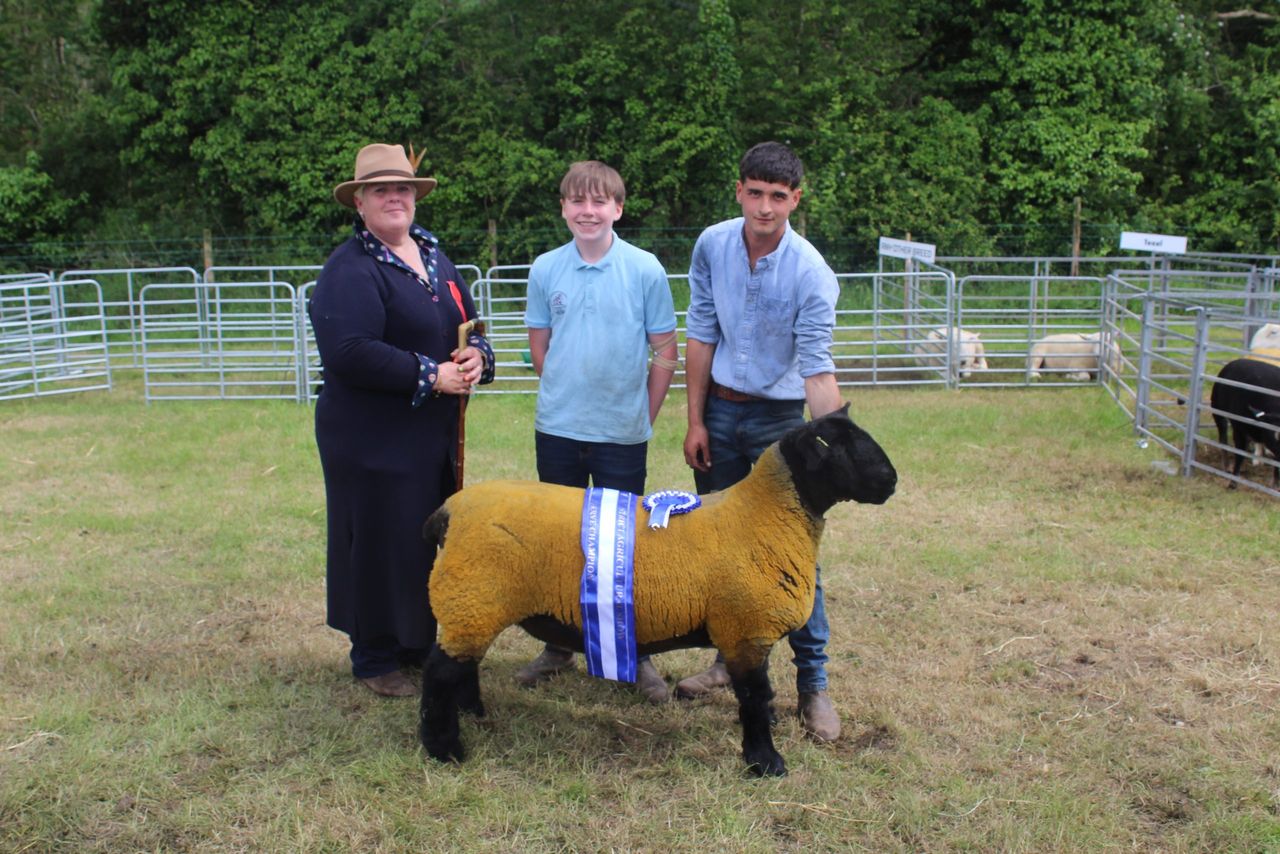
Crawford Brothers from Co. Fermanagh had another another day out to remember at last Saturday’s...
Pig/Poultry
The H5N1 strain of avian influenza (bird flu) has been detected in Australia for the first time,...