

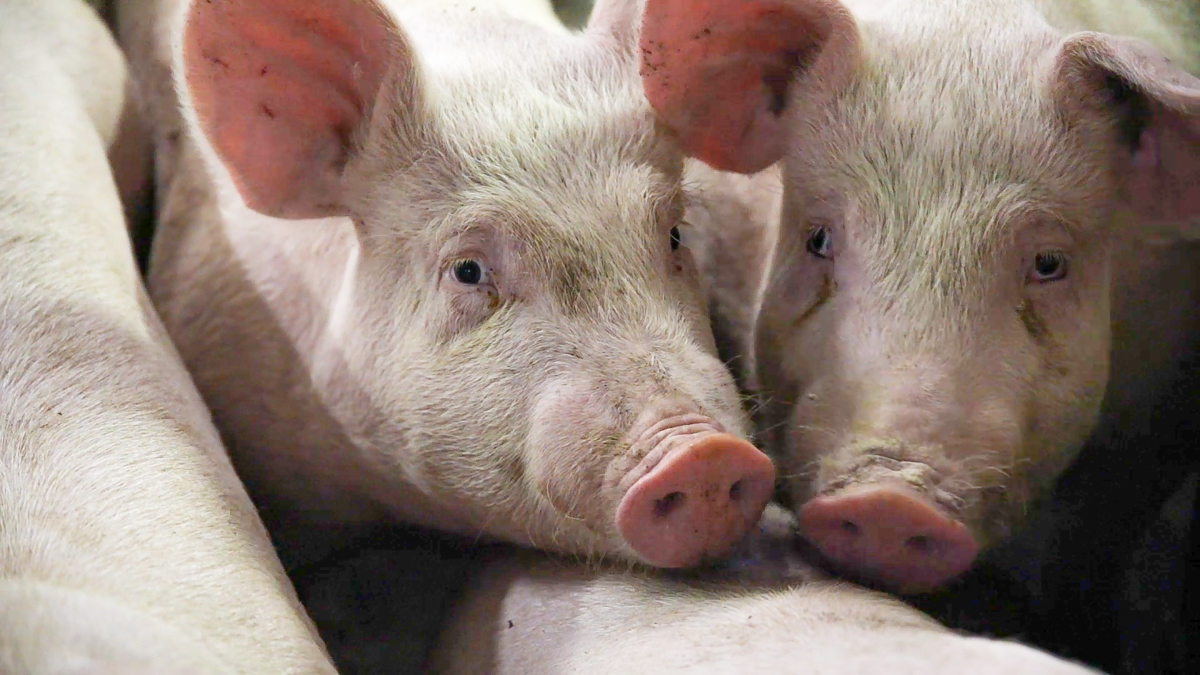
The British pork sector has today (Tuesday, April 21) published its Pork Environmental Roadmap, setting out a shared evidence-based framework to guide environmental progress across the industry.
Developed by an industry-led steering group and facilitated by the Agriculture and Horticulture Development Board (AHDB), the roadmap provides a clear direction for continued improvement and a stronger platform for demonstrating the sector’s environmental performance.
The new roadmap sets out an action plan for 2026-2030, focused on strengthening the evidence base, scaling best practice and supporting the adoption of new technologies.
Progress will be monitored through regular five-yearly life cycle assessments, helping to ensure transparency and accountability over time.
The roadmap is structured around seven strategic priorities:
- Net carbon;
- Air quality;
- Water stewardship;
- Slurry, manure and nutrient management;
- Biodiversity;
- Waste and recycling;
- On-farm energy.
Across each area, it highlights the importance of robust data, consistent measurement and collaboration across the supply chain to deliver meaningful and measurable change.
According to AHDB, British pork production has already made “significant gains” in improving its environmental footprint
A new life cycle assessment highlights an 18% reduction in carbon footprint between 2008 and 2023 for the industry.
Over the same period, emissions linked to land use and land-use change fell by 71%, reflecting major improvements in feed sourcing and pig diet formulation.
AhDB said: “These improvements have been driven by long-term advances in efficiency, particularly feed efficiency, productivity, and innovation across the supply chain.”
Roadmap
Hugh Crabtree, chair of the Pork Environmental Roadmap Steering Group, said: “This roadmap is a significant step forward for the British pork sector.
“From the outset, we were clear it had to be grounded in robust evidence, and that principle has guided every stage of its development.
“It provides a transparent picture of where we are today, highlights the substantial progress already made and sets out a credible path for continued improvement.
According to Crabtree, the roadmap will continue to evolve as new data, innovation and insight emerge, helping to ensure the sector remains “both environmentally responsible and commercially resilient”.
”If there are challenges to our findings, let’s be hearing about them! We believe our progress to a more sustainable future will come from robust dialogue,” he said.
Lizzie Wilson, chief executive of the National Pig Association, added: “For producers, it’s about practical, achievable improvement.
“It supports better decision-making, helps businesses prepare for future policy and market expectations, and reinforces the reputation of British pork as a sustainable, high-quality product.
“Most importantly, it ensures the sector is telling its own story with confidence, backed by data.”