GB milk supplies remain too far ahead of processing capacity – AHDB

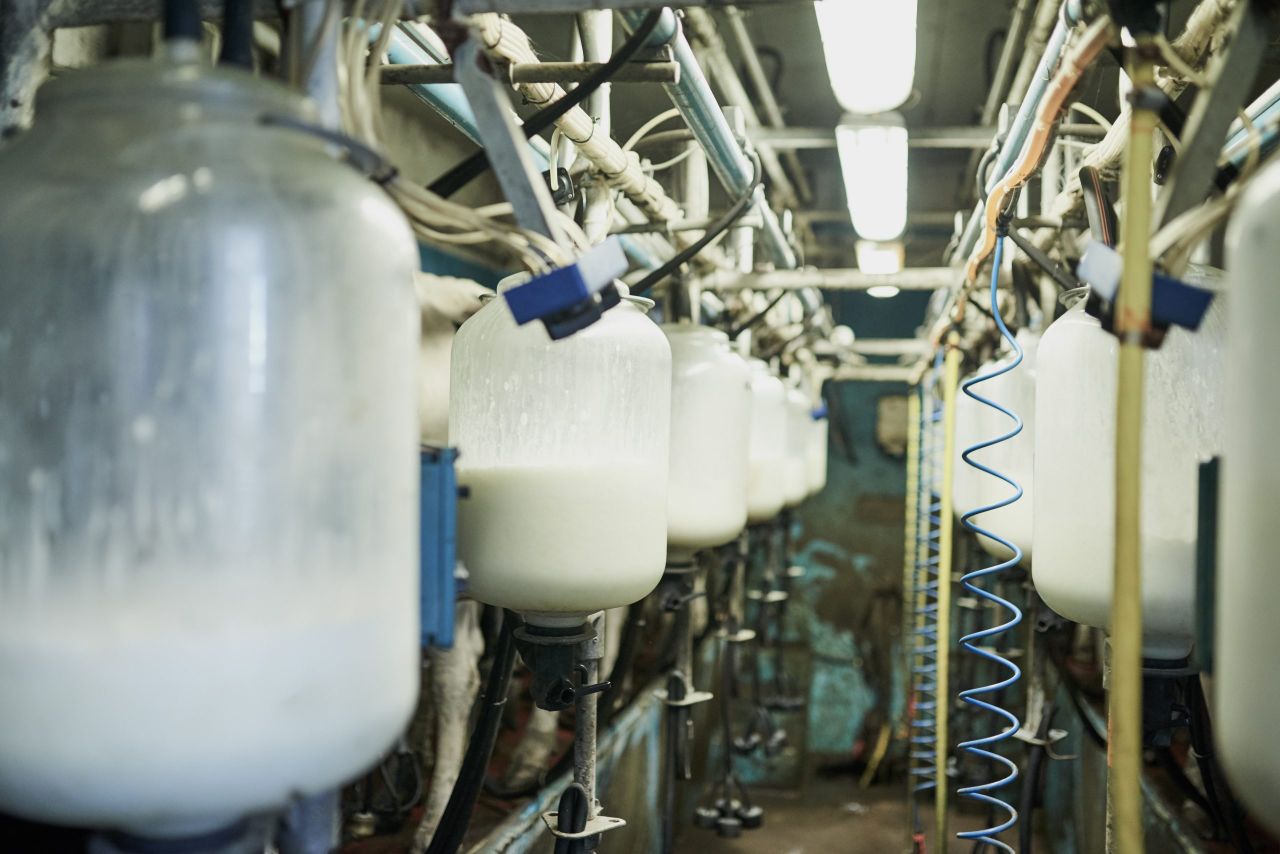
Milk supplies remain too far ahead of processing capacity in Great Britain, the Agriculture and Horticulture Development Board (AHDB) said.
GB milk deliveries through Q1 remained elevated, reaching 3.1% up on the same quarter in 2025, AHDB said.
“January and February increased by 3.7% respectively and March by 1.8%.
“We are still annualising against strong growth versus the previous year, generating a compound effect.
“We are up 4.2% for Q1 against the five-year average, which represents a slowdown from the previous quarter’s 7% premium," AHDB said.
Forecast
The milk year has ended at a high of 13.02 billion litres.
The milk to feed price ratio is now “edging down into the ‘stabilisation zone’, indicating that milk supply growth should normalise although will remain at high levels”.
“Our forecast for the milk year ahead predicts stabilisation of milk supplies at 13.04 billion litres which is a scant 0.1% higher than this year,” AHDB continued.
“However, we have to keep in mind that we are annualising against a year of record highs, meaning there will still be a lot of milk available.”
It said that smaller herds but bigger yields are to continue.
However, war in the Middle East “presents a significant risk to the forecast”.
“The growth momentum is likely to continue in the first half of the milk year but will likely slow down in the second half as we annualise against high levels to end the year mostly stable,” it added.
March
GB milk deliveries are estimated to have totalled 1,132 million litres in March, up 1.8% year-on-year, compounding on 2025’s growth.
The increase in March deliveries brings the GB estimate for the 2025/2026 season total to 13.02 billion litres, a significant increase of 5% compared to the previous season and in-line with AHDB’s forecast, it said.
“This is the highest volume recorded for a milk year,” it said.
Despite price cuts since late autumn, milk volumes have been slow to fall as the milk to feed price ratio remained in the expansion zone, particularly once seasonality and quality of milk composition were factored in, AHDB explained.
“Recent April milk price announcements held mostly steady, though this hold is at an unsustainably low level for many.
“Additionally, rising input costs are also pressurising margins. As the spring flush approaches, processing capacity is an increasing concern.”
Grass
Ground and forage conditions have been supporting milk from grass production.
The Met Office reported a warmer than average March, with spring sunshine continuing into the start of April.
AHDB added: “Particularly as margins are being squeezed, maximising value from forage is essential”.