

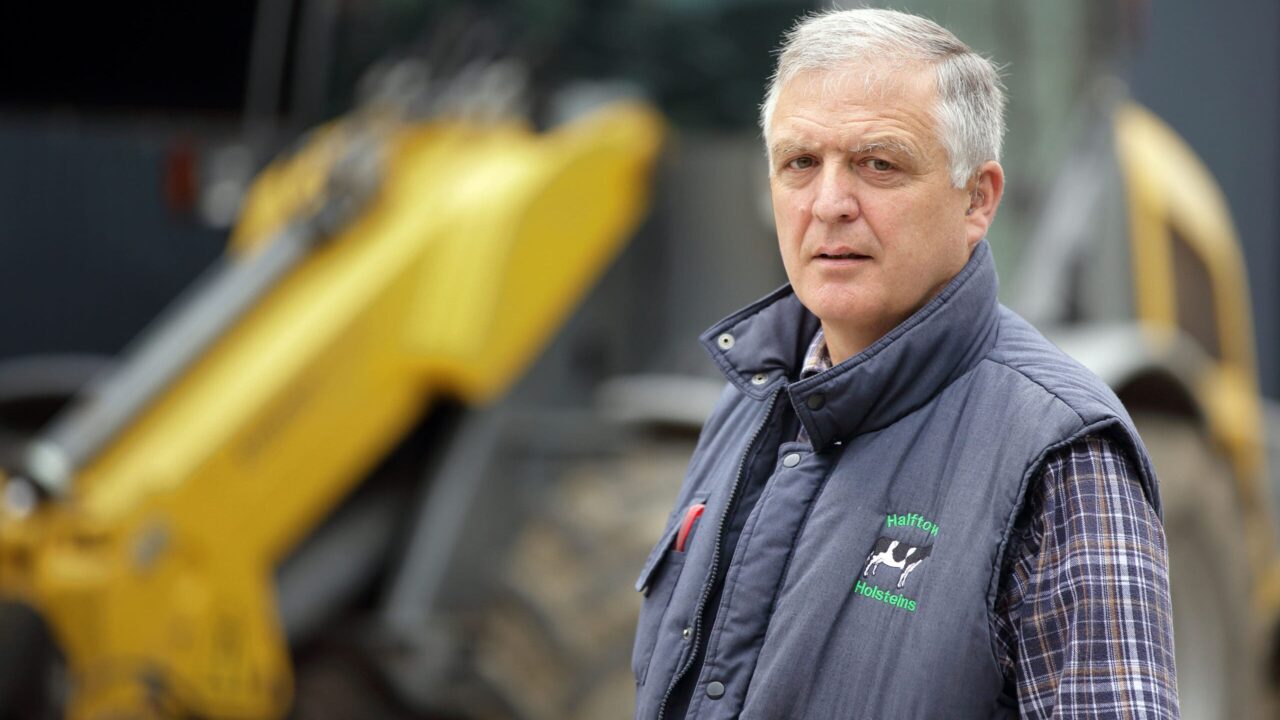
William Irvine can look back on his six years as an Ulster Farmers’ Union (UFU) office bearer with tremendous satisfaction.
The highlight of it all was his handling of the inheritance tax debacle and his successful efforts in getting the UK Chancellor to significantly boost the scale of the financial thresholds at which the new measure kicks in
His efforts also saw the recognition by government of the key roles played by husbands and wives with a farm family business.
Irvine will, no doubt, turn round and say that the job on inheritance tax is only half done: there are still many farming businesses in Northern Ireland having to cope with the challenges posed by the new measures.
However, the reality is that very large numbers of family farms across Northern Ireland have been taken out of the inheritance tax net directly thanks to the effort put in by Irvine and his UFU team.
It must also be pointed out that this result was achieved on the back of quiet diplomacy and an unwavering ability to argue the truth and reality associated with a very concisely honed campaign.
This was ‘realpolitik’ in action, reflecting the character of William Irvine and his commitment to working proactively with people at all times: always trying to see the other person’s point of view.
Food security
The history books will also show that the Co. Armagh man’s term in office as UFU president marked the beginning of a campaign to have the issue of food security pushed up the political agenda, both at Westminster and Stormont.
And rightly so. With geopolitical tensions at their highest levels since World War Two, global food chains have come under considerable pressure.
As a case in point, analysts are now saying that it could be a full 12 months before international fuel and fertiliser markets come back to normal. And this assumes that hostilities in the Persian Gulf stop today.
In the meantime, the cost of fertiliser and a host of other farm input costs will continue rise inexorably.
Significantly, Irvine has made these points repeatedly, specifically in the context of the ongoing attempts to agree a new Nutrients Action Programme (NAP) for Northern Ireland.
He rightly points to the need for balance between securing the means by which the agri-food sector can expand its production footprint and the equally significant imperative of improving water quality at the same time.
Let’s hope that those charged with the responsibility of delivering the new NAP take on board this point of view.