

There is a growing acknowledgement among dairy stakeholders that artificial intelligence (AI) can be used as a power for good within the milk industry.
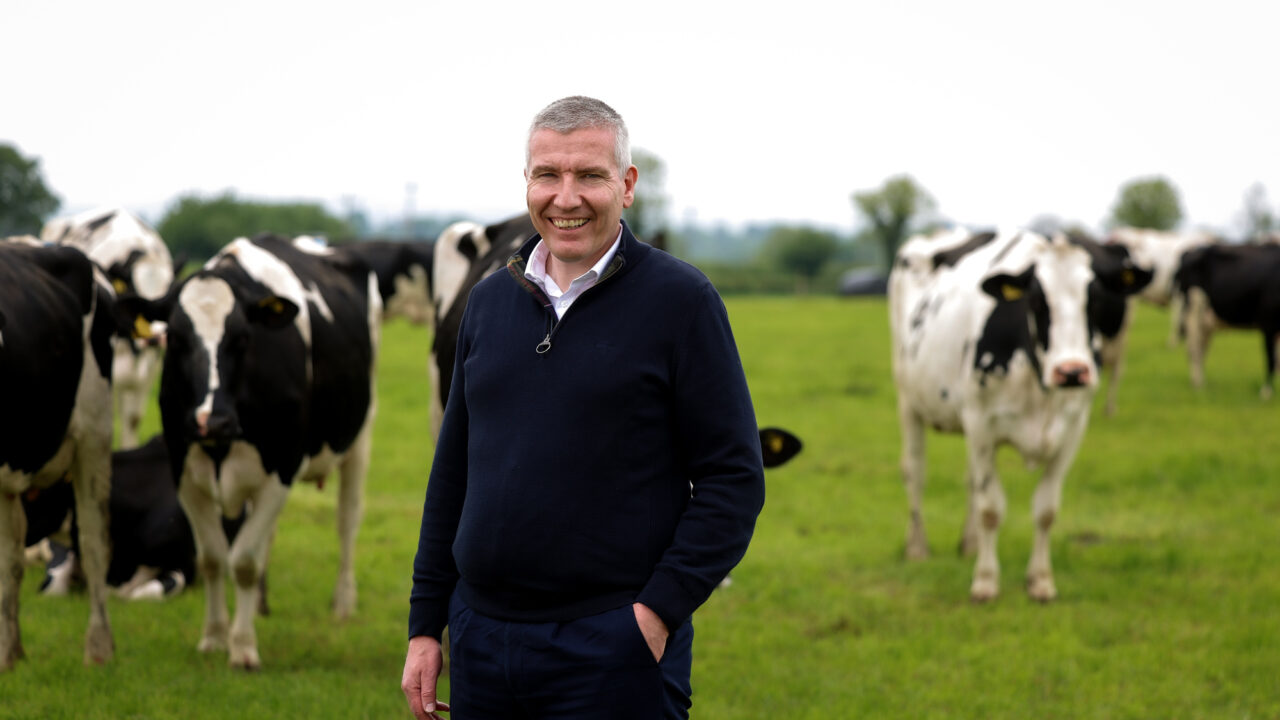
It was a point highlighted by Dairy Council for Northern Ireland (DCNI) chief executive, Ian Stevenson on his return from Canada, where he had attended a global dairy communication and marketing conference.
The event had been jointly hosted by the Global Dairy Platform and the International Milk Promotion (IMP) Group, which is a permanent action team within the International Dairy Federation (IDF).
The Dairy Council for Northern Ireland is a member of the IMP group.
Artificial intelligence
Stevenson said: "The influence of AI represents one of the biggest opportunities ever available to the international dairy sector to shape consumer thinking and trends.
“Moreover, it’s a technology set to develop exponentially in the years ahead.
“Consider the facts: it took Netflix 18 years to amass one hundred million subscribers. However, it took ChatGPT only two months to secure the same level of public uptake.
"This underlines how critical it is for the dairy sector to have the right narrative in place to comprehensively answer the questions posed to AI-driven search engines.”
According to the DCNI representative, LinkedIn and YouTube are two of the key data sources that AI search engines preferentially seek out.
AI also tends to prefer content with clear provenance, so the more facts and citations are available, the greater the credibility of that content, Stevenson said.
“It is now clear that the days of platitudes and generalities around the story of sustainable milk production are over," he continued.
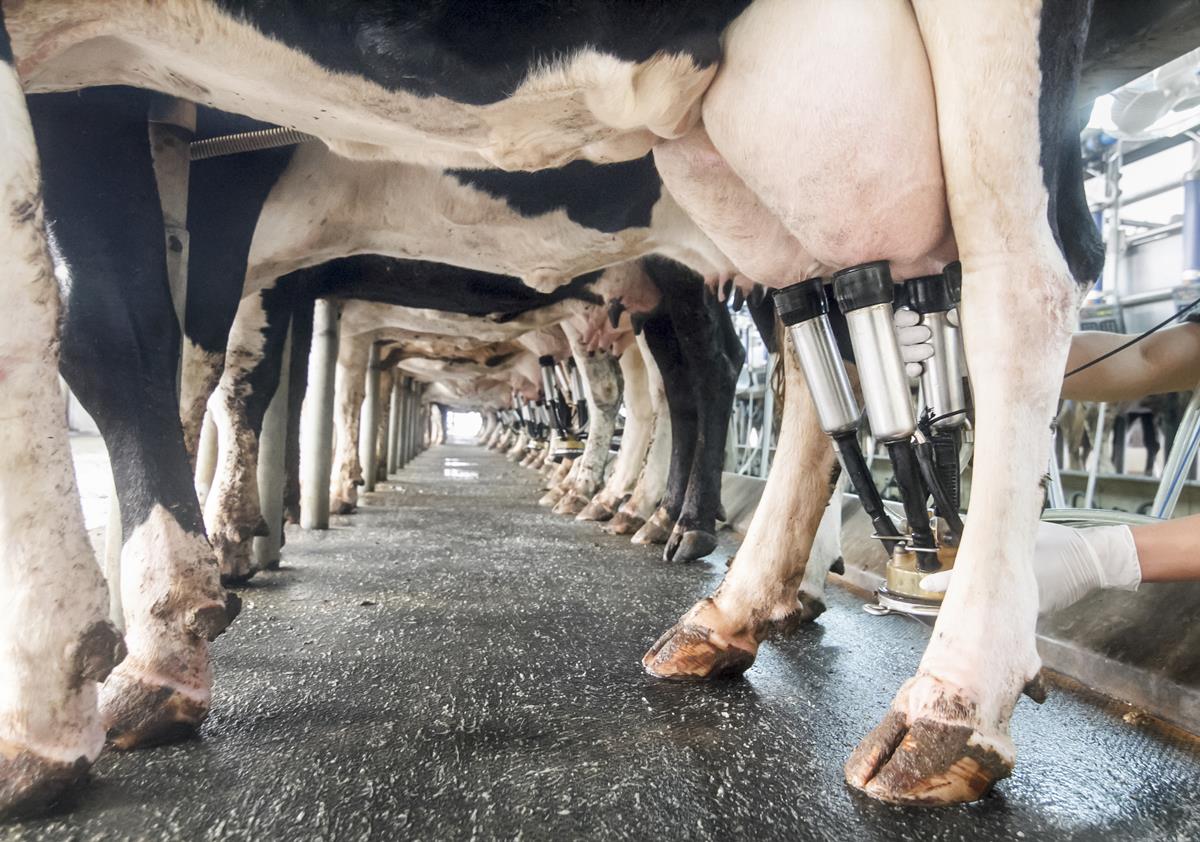
“The industry focus must be on the specificity of the data that is available to substantiate claims relating to animal welfare standards and sustainable milk production practices.
“If such information is not available, then AI will very quickly expose this gap in a clear and meaningful way.”
According to Stevenson, Northern Ireland farmers have a particularly strong and positive message to communicate.
“In recent years, agricultural support programmes have increasingly focused on sustainability, alongside generating the data required to verify impact at farm level," he explained.
“The Soil Nutrient Health Scheme and the recently launched bovine genetics programme are excellent examples of this progress.
“Only in this way can claims made on behalf of the dairy sector be fully substantiated. This approach helps build genuine consumer confidence, both locally and in international markets," Stevenson said.